







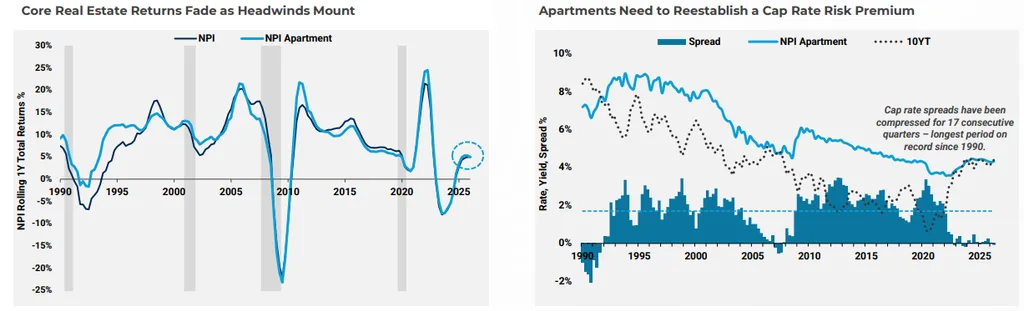
- Single-asset apartment sales volume trails last year by 6% through August, and apartment appraisal values are up only 9% cumulatively since the first quarter of 2020.
- Wages have outgrown rents since 2023, household formation is at its slowest since 2021, and rent recovery varies widely by metro, leaving demand uneven.
- With rate relief unlikely, IPA says net operating income growth must carry values, and about one-third of the $2.1 trillion in CRE debt due through 2028 is backed by apartments.
The U.S. apartment market is stuck in a slow, uneven recovery, per Institutional Property Advisors’ latest State of the Market report for Q3 2026.
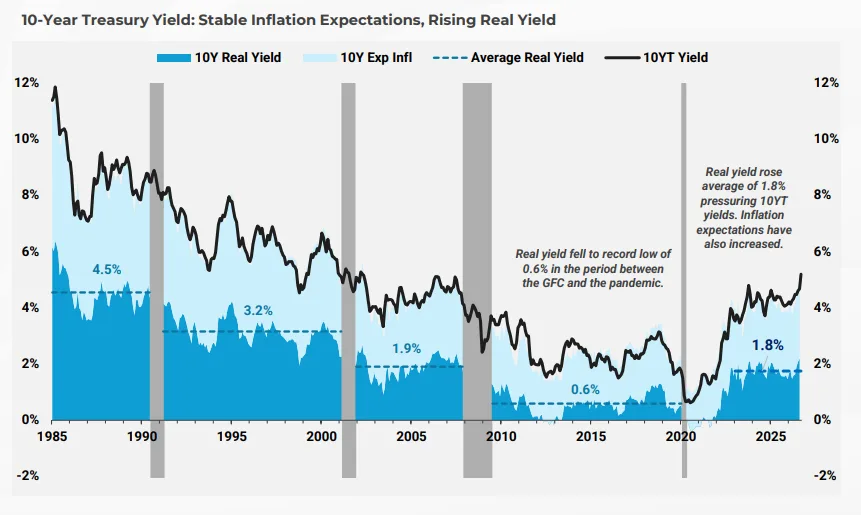
Single-property apartment sales trail last year by 6% through August, and the 10-year Treasury yield sits near a 25-year high after a late-September surge.
Get Smarter about what matters in CRE
Stay ahead of trends in commercial real estate with CRE Daily – the free newsletter delivering everything you need to start your day in just 5-minutes
Rates Rewind to the Early 2000s
IPA compares the backdrop to the early 2000s, the last time the 10-year yield carried a “5 handle” and GDP expanded 3% to 4%. Hiring and AI spending are keeping the economy resilient, it says.
The firm’s key point is the real yield, which has climbed since 2022 after sinking to a record-low 0.6% between the financial crisis and the pandemic. A higher real yield lifts the rate investors use to discount risky assets, so the bar for apartment values rises.
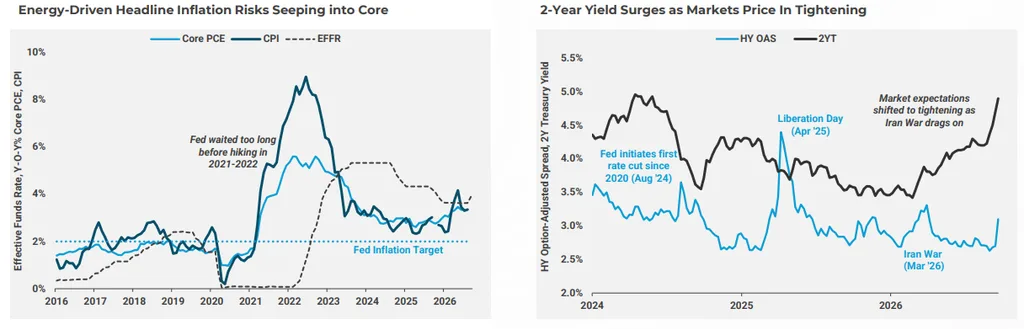
Rate hikes tied to the Iran War have also flipped expectations away from relief, and core inflation has overshot the 2% goal for over five years.
Rents Trail Wages
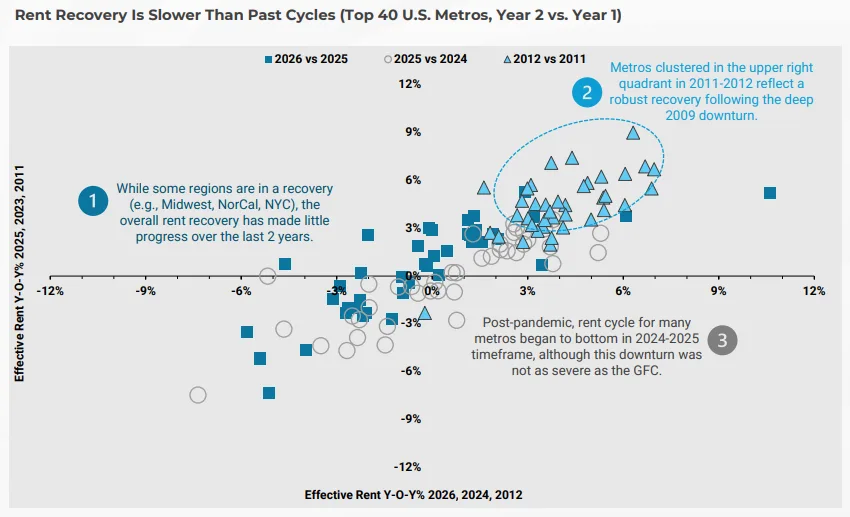
Pay has outpaced rents since 2023 across Class A, B and C, with the Atlanta Fed putting August wage growth at 3.8% year over year. Rent recovery is slower than in past cycles and uneven by metro, with the Midwest, Northern California and New York further along.
Demand faces headwinds. Household formation sits below its 0.9% long-run average, the slowest pace since 2021, and IPA warns that population growth under 0.3% a year will hold back the rebound.
Renting still pencils better than buying. IPA says the cost gap between owning and renting is more than eight times what it was a decade ago, although record retention should fade if mortgage rates drop.
Sales and Values Lag
Q2 deal volume of $130B came in just under the $134B average for 2015 through 2019. Industrial dollar volume rose 38% year over year and retail rose 18%, versus a 6% gain for apartments.
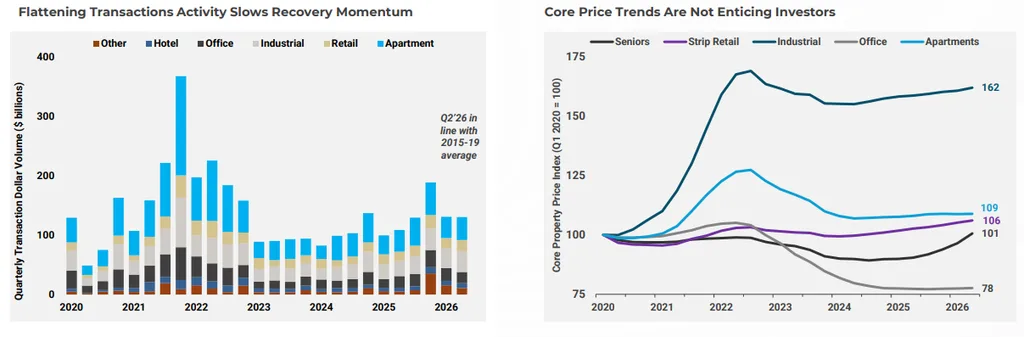
A merger inflated Q2 apartment volume, as CRE Daily reported when apartment sales hit $208.1B.
Appraised apartment values have gained just 9% since Q1 2020, and trailing total returns slipped to 4.6% as of Q2 from 5.0% a quarter earlier. The cap rate spread over Treasuries has been squeezed for 17 straight quarters, the longest stretch since 1990.
Debt Is Costly but Available
Base rates have jumped while lending spreads held steady, and originations have beaten the 2015-19 average for five quarters. Banks are lending again, and Fannie Mae and Freddie Mac volume sits well under the $88B FHFA cap for 2026.
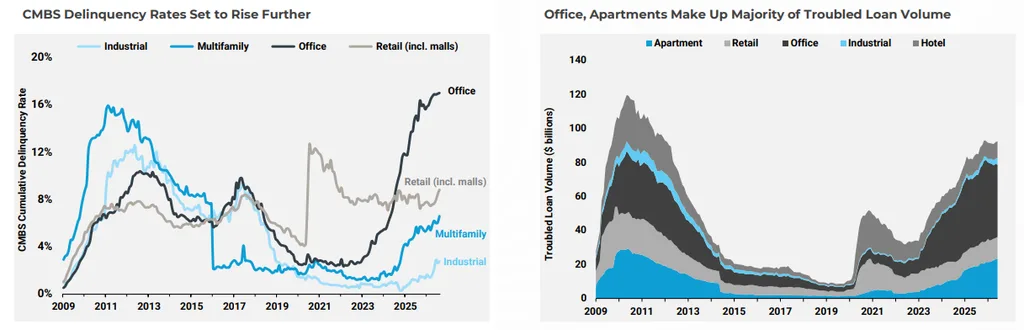
Institutional Real Estate highlighted the refinancing risk: apartment loans account for about a third of the CRE debt coming due through 2028, which totals $2.1 trillion. CRE Daily’s report on the maturity wall found Newmark counting $875B due in 2026 alone.
IPA says the volume of troubled loans is rising toward financial-crisis levels, led by apartments and office, and some lenders are pushing for resolutions rather than extensions.
Why It Matters
IPA’s advice is to focus on operations, since long-term rates are unlikely to fall far enough to rebuild the cap rate risk premium. Either rents and revenue pick up, or prices reset.
What’s Next
IPA expects distressed volume to level off once more sponsors give in and lenders force outcomes. Watch the 10-year yield, since another jump would add strain for sponsors with maturing debt.