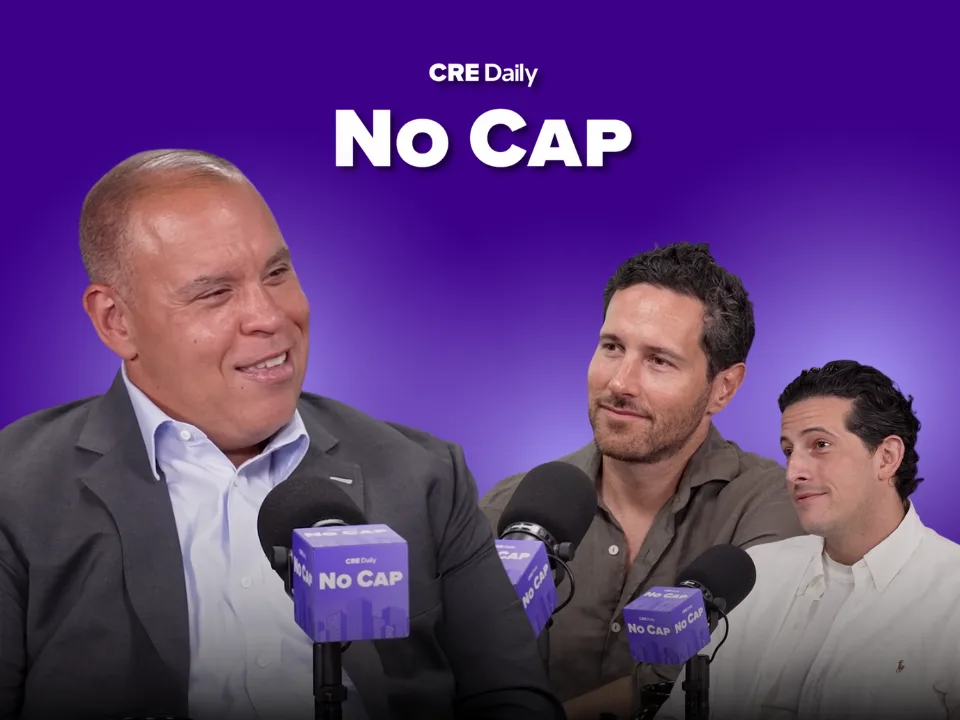








Guest: Jim Keyes, Former CEO, 7-Eleven and Blockbuster
Jim Keyes ran two of the largest retail real estate footprints in America as CEO of 7-Eleven and later Blockbuster. He grew up in a three-room shack in Massachusetts, worked his way through Columbia, and started his career in oil and gas at Gulf. He is the author of Education Is Freedom.
Keyes unpacks how 7-Eleven treated land as access rather than an asset play, why Blockbuster’s lease book was never what killed it, and how studio credit terms pushed it into bankruptcy. He also makes his case for a national education infrastructure built on AI.
Key Takeaways
7-Eleven’s 1991 bankruptcy was a leverage problem. A $4 billion LBO left the company too debt-heavy to survive, and the reset forced the reinvention that built today’s roughly 85,000-store system.
“It was like buying a company on your credit card.”
Jim Keyes, [17:03]
7-Eleven’s model gave operators a low barrier to entry because the company controlled the real estate. Franchisees paid a fee and bought inventory, not land.
“I used to call 7-Eleven franchising really the pathway to the American dream. The reason you see so many first generation Americans is that the bar for entry is relatively low when you don’t have to buy the real estate.”
Jim Keyes, [25:34]
Blockbuster’s real estate was less of a liability than its reputation suggested. Most leases were evergreen and could be exited within a couple of years, and the stores doubled as a hybrid advantage over Netflix.
“In spite of all the perceptions that Blockbuster didn’t see it coming, they were preparing all the way back to the year 2000 for streaming.”
Jim Keyes, [40:03]
What actually sank Blockbuster was liquidity. When one studio moved the chain from 90-day credit terms to cash, the rest followed, pulling hundreds of millions out of the business.
“Ultimately what happened, the studios killed us. They pulled our credit terms.”
Jim Keyes, [50:23]
Keyes argues education matters more in an AI economy, and that the US needs shared national infrastructure rather than 13,000 districts each buying their own tools.
“The human skills are going to be more important than ever before. Your ability to communicate, your ability to interact, your ability to lead.”
Jim Keyes, [57:22]