







- Manufactured housing markets with over 5,000 homesites averaged 6.2% rent growth in 2026, down from 7.9% in 2025 but above the sub-3% annual growth for multifamily since 2023.
- Vacancy held near 5% nationally, but regional gaps widened: Orlando rents rose 22.8% while San Antonio vacancy jumped 980 basis points year over year.
- Private investors made up about 75% of sales volume as institutional buying cooled, with cap rates near 7% and sales through August already topping 2023 and 2024 annual totals.
Rents at manufactured housing communities are still rising faster than apartment rents in 2026, even with demand cooling in some markets, according to Institutional Real Estate’s coverage of Marcus & Millichap’s latest National Manufactured Housing Report.
Large markets with over 5,000 homesites averaged 6.2% rent growth, below the 7.9% of 2025.
Get Smarter about what matters in CRE
Stay ahead of trends in commercial real estate with CRE Daily – the free newsletter delivering everything you need to start your day in just 5-minutes
Rents Outrun Multifamily
Apartments have grown rents by less than 3% a year since 2023, per Marcus & Millichap data cited by Institutional Real Estate. Manufactured housing is running at roughly twice that pace despite easing from last year.
Regional Gaps Widen
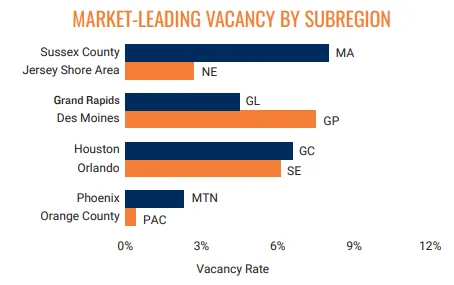
Vacancy sat near 5% nationally, Institutional Real Estate reported, but new supply and shifting migration widened the spread between regions. Orlando rents climbed 22.8%.
San Antonio saw the biggest vacancy jump in the country, up 980 basis points from a year earlier, per Institutional Real Estate. That echoes the softness CRE Daily has reported in Sun Belt multifamily, where the recovery is uneven.
Investors Keep Buying
Sales activity through August already topped the full-year totals of 2023 and 2024, per Institutional Real Estate. Private buyers supplied about 75% of dollar volume as institutions pulled back.
Cap rates averaged close to 7% nationwide, Marcus & Millichap found.
Why It Matters
Manufactured housing offers owners rent growth that apartments are not delivering, and a cap rate near 7% gives buyers a wider yield than most apartment deals. The Orlando and San Antonio extremes show that market selection matters more than the national average, per the Marcus & Millichap data.
What’s Next
Institutional Real Estate reported that federal housing reforms and growing policy attention could open long-term opportunities, such as the HUD chassis rule plan CRE Daily covered. Financing hurdles and local zoning limits still hold back new supply.