





- GlobeSt outlined six AI real estate strategies: industrial conversions, small inference clusters, AI-focused offices, powered land and industrial, battery hosting, and construction-support housing and storage.
- Access to electricity increasingly decides whether a property has an advantage or an expensive obstacle, and three of the six strategies address needs that already exist.
- Data center-related occupiers took 14.4% of industrial leasing across six major U.S. markets in 2025, up 44% year over year, per Cushman & Wakefield.
A coming AI real estate bet may be a dated warehouse with a prized utility hookup, an office with spare power or a lot that could house batteries, GlobeSt reported in a six-part breakdown.
GlobeSt’s argument is that investor opportunity now reaches well past owning the buildings that hold servers.
Get Smarter about what matters in CRE
Stay ahead of trends in commercial real estate with CRE Daily – the free newsletter delivering everything you need to start your day in just 5-minutes
Three Emerging Plays
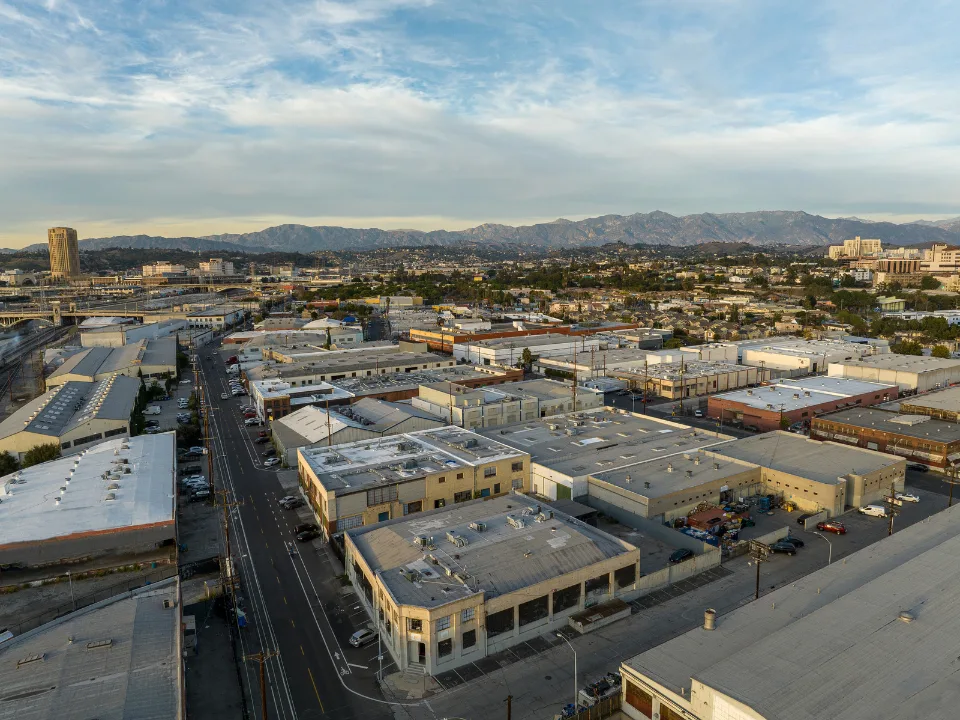
The first opportunity is converting industrial buildings into edge data centers. Savills found that 415 acres of British industrial land have shifted to data center use since early 2024, GlobeSt reported. However, that remains a small share of the total stock. On-site power alone does not make a building conversion-ready. Cooling and power upgrades can also erase initial savings.
The second play involves renting spare space and power to AI inference tenants. ULI and Heitman describe clusters ranging from about 50 kilowatts to several megawatts, per GlobeSt. Meanwhile, JLL projects that inference could surpass training as the primary source of AI computing demand in 2027.
The third opportunity is office space for AI-native companies. GlobeSt reported that AI firms occupy more than 7 million SF in San Francisco. CBRE research also shows that many start in flexible space before moving into traditional offices. However, GlobeSt cautioned against treating AI as a broad solution for the office market.
In London, AI firms accounted for 34% of tech-driven office leasing last year. They have also leased about 1.5 million SF since 2015, according to the same coverage. Yet AI businesses can increase output without adding staff at the same rate. As a result, traditional desk-count assumptions are less reliable. Buildings with collaboration areas, secure digital operations and strong connectivity are better positioned. Older properties without the capital to adapt risk becoming obsolete.
Three Current Plays
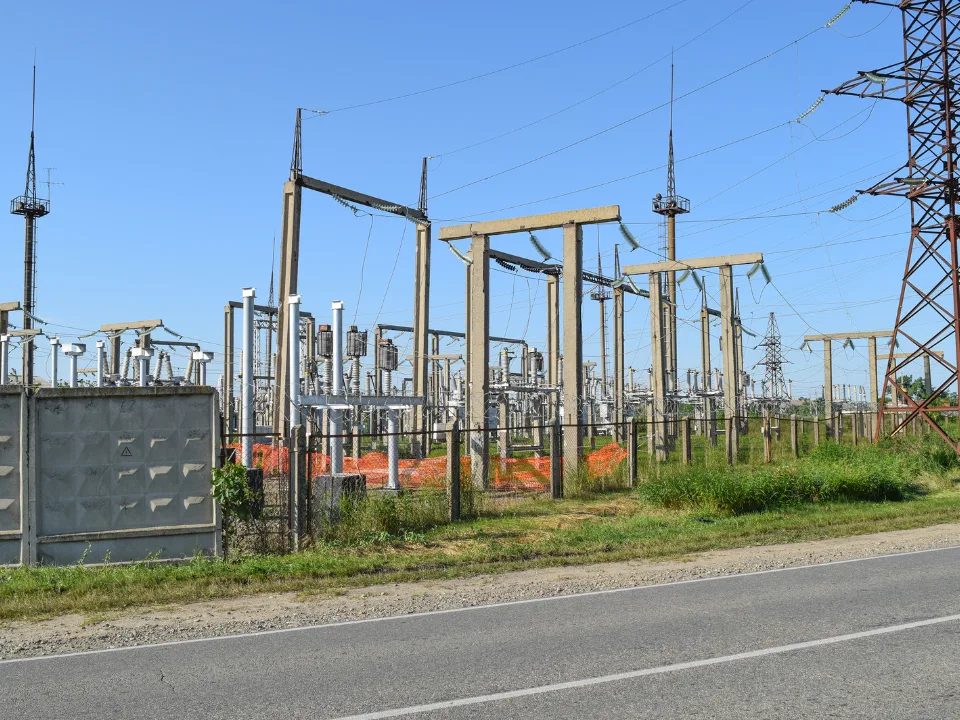
Powered land and power-ready industrial properties offer the most direct bet. GlobeSt cited Hines, which estimates that the world will need roughly 40,000 acres of power-ready land over five years. In Loudoun County, Virginia, industrial land trades above $4 million an acre. Meanwhile, sites that can deliver electricity within 18 to 36 months attract strong interest, per GlobeSt.
Power-ready industrial properties offer another opportunity. Automated distribution buildings can draw 1 to 5 megawatts of power. Some factories require 5 to 20 megawatts. Moreover, these sites do not need to sit beside data centers.
Battery storage ranks second. Under the land-lease model described by ULI and Heitman, a developer finances and operates the system while the property owner collects rent. The U.S. Energy Information Administration projects 24 GW of new utility-scale batteries this year, GlobeSt reported.
The third play is housing and storage for construction crews. Remote campuses need places to house workers. GlobeSt identified Target Hospitality, Civeo and Corporate Mobile Housing as specialists meeting this demand. However, the publication cautioned that long-term operating staff remain small relative to the capital invested.
Industrial leasing data also highlight the opportunity. Cushman & Wakefield found that data center users accounted for 14.4% of industrial leasing across six major U.S. data center hubs last year. That represented a 44% increase. Additionally, each 100 megawatts of new development corresponded to about 365,000 SF of industrial take-up, per GlobeSt.
Why It Matters
GlobeSt draws a clear distinction between the demand behind each investment. Conversions, inference and AI offices depend on changing uses. By contrast, power, batteries and construction support serve needs investors can already see. This trend aligns with power access becoming the leading factor in site selection, as CRE Daily has reported.
However, investors face real risks. GlobeSt reported that interviewees warned about delays in powered-land investments. Buyers could hold sites longer than expected if power delivery stalls or regulations change. Likewise, workforce housing demand can decline once construction ends.
What’s Next
Watch whether distributed inference clusters expand beyond the early stage. Also, monitor whether more states follow Texas in pursuing data center capacity.
Outdoor storage may offer the most flexibility, GlobeSt reported. It requires only a fraction of the capital needed for a data center. It can also serve other purposes if construction slows.