



- Texas submitted its OZ 2.0 nominations on Sept. 4, and the number of nominated tracts across DFW’s four major counties more than triples, adding 90 new zones.
- Savoy Cos. co-CEO Barrett Linburg said Dallas could draw $250M to $300M of extra equity per year for a decade, with Texas investment potentially doubling.
- Texas shifted its picks from rural areas that never saw projects to urban tracts, but private capital will ultimately decide which zones attract investment.
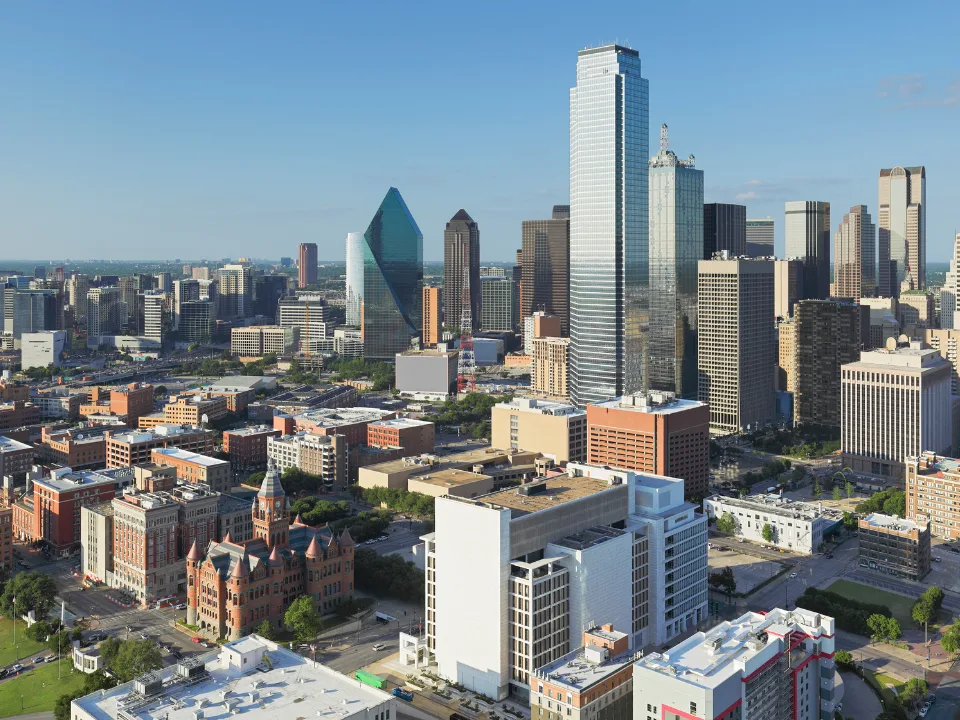
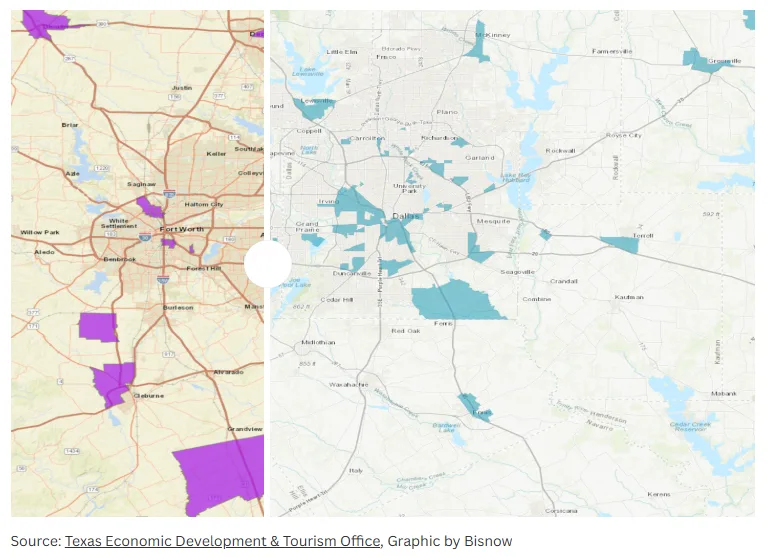
North Texas is losing some larger zones from the first round, but the opportunity zones map is growing where it counts.
The number of nominated tracts across DFW’s four major counties more than triples under OZ 2.0. The new map includes 90 newly nominated zones, according to Bisnow.
Get Smarter About What Matters in Texas
Subscribe to our free newsletter covering the biggest commercial real estate stories across Texas — delivered in just 5 minutes.
DFW Gets More Urban Opportunity Zones
Texas attracted nearly $8B of the more than $112B that flowed into opportunity zones nationally by the end of 2024.
A U.S. Treasury report released this summer found that 77% of roughly 8,000 designated tracts received some of that capital. Savoy Cos. co-CEO Barrett Linburg said more than 90% of the money went into real estate.
The One Big Beautiful Bill Act made the program permanent. OZ 2.0 also offers a rolling, project-based 10-year tax break.
Dallas Leads the New Map
Dallas County has the most nominated zones in Texas, with 60 tracts. That includes 44 in the city of Dallas.
Tarrant County rises from seven zones to 20. Denton increases from three to seven, while Collin goes from one to three.
Linburg said Savoy seriously considered only three DFW zones under the original program. The company is now interested in 25 of Dallas’ 44 nominated tracts.
Developers See More Potential
Texas shifted its focus from rural tracts that saw little development toward urban areas with stronger investment potential.
State and county officials selected zones where projects can create jobs and grow the tax base within two to four years. Colorado and Utah used a similar approach and attracted nearly $8.5B combined during the first round.
CRE Daily has tracked the developer scramble as the new maps were finalized.
More Capital Could Reach DFW
Linburg estimates Dallas could receive an additional $250M to $300M of equity each year in low- and moderate-income areas over the next decade.
He also expects total Texas investment to double during that period. He noted that the program does not cost the city anything.
Savoy has raised nearly $100M for 25 opportunity zone projects, focused on multifamily in North Oak Cliff and the Cedars.
Alternative Wealth Partners CEO Kelly Ann Winget is also planning to move microindustrial manufacturers into newly nominated zones north of McKinney.
What’s Next
No one can say which tracts will attract the most capital. Linburg said private money will follow the areas where investors see the strongest returns.
Winget said cities should also offer incentives for projects that create jobs and support long-term economic activity.
With more nominated zones across DFW, developers now have a larger map to work with. The next phase will show which areas can turn the new designations into actual projects.