



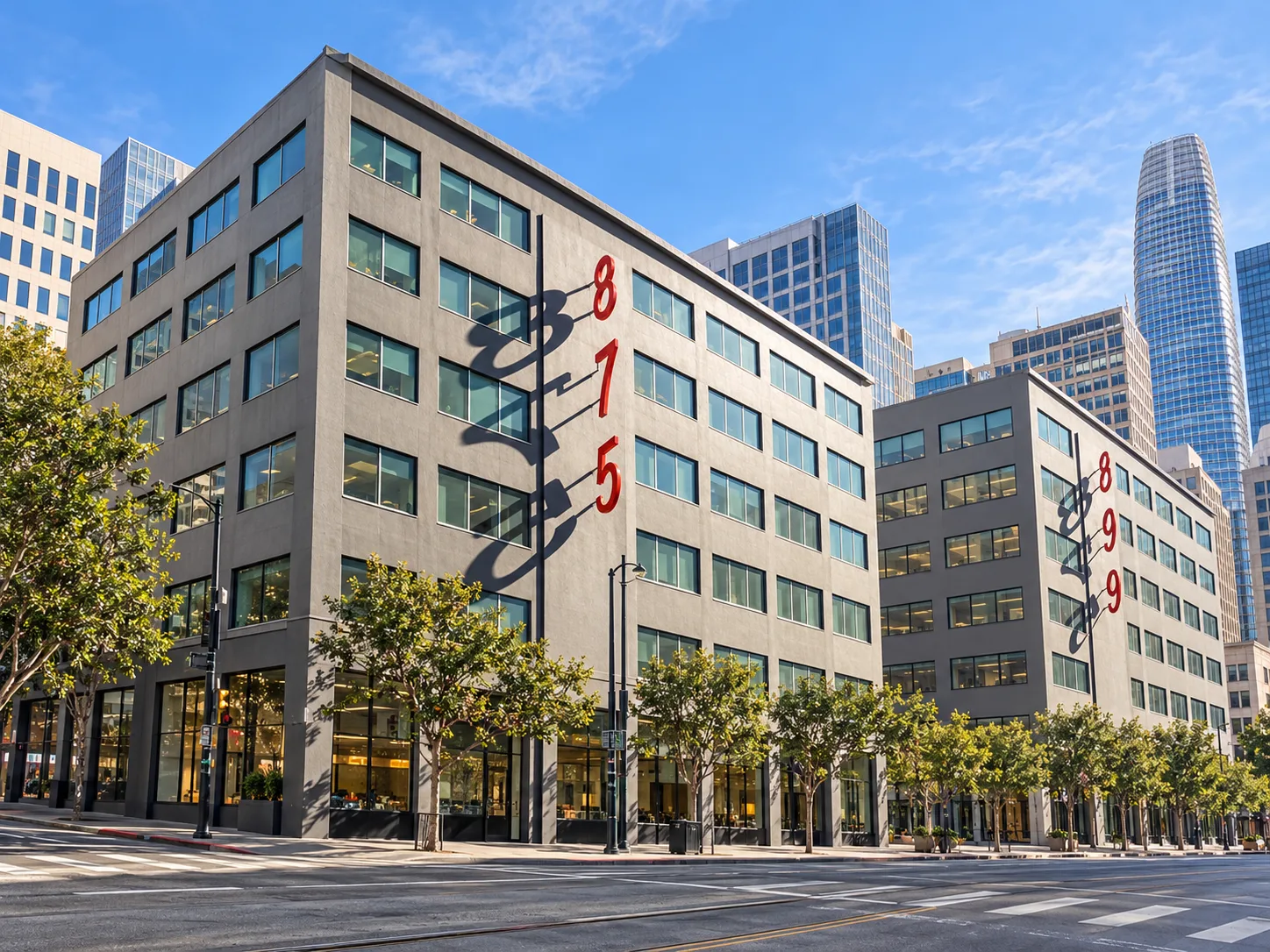
- Hudson Pacific sold 875 and 899 Howard in downtown San Francisco for $65.5M.
- Seven Equity Group and a private investor financed the acquisition with a $51M Genesis Capital Group loan.
- At closing, 875 Howard was 36% occupied and 899 Howard was fully vacant.
Hudson Pacific Properties has sold two downtown San Francisco office buildings for $65.5M. Commercial Property Executive reported that Seven Equity Group acquired 875 and 899 Howard with a private investor. Genesis Capital Group originated a $51M acquisition loan. The two-building property totals roughly 280K SF and sits near Howard and Fifth streets.
Both buildings opened in 1920, and 899 Howard was converted from retail to office use. The sale price is above Hudson Pacific’s 2007 purchase price in nominal terms, but the property’s current occupancy profile is very different from a stabilized office asset. The new buyer is taking on that leasing exposure directly.
Get Smarter about what matters in CRE
Stay ahead of trends in commercial real estate with CRE Daily – the free newsletter delivering everything you need to start your day in just 5-minutes
Vacancy Defines the Deal
The sale transfers two assets with substantial leasing needs. At closing, 875 Howard was 36% occupied. The 899 Howard building was fully vacant. Transwestern serves as leasing manager for the properties.
Hudson Pacific had been seeking buyers for its most vacant properties since June, according to The Real Deal information cited in the source. The buildings previously traded in 2007 for $46M, or $160 PSF. Yardi Matrix identified The Reliant Group as the seller in that earlier transaction. Genesis Capital Group’s $51M acquisition loan supports the purchase of a property where most space is vacant or unoccupied. The source does not provide the loan’s rate, term or other financing details.
The Details
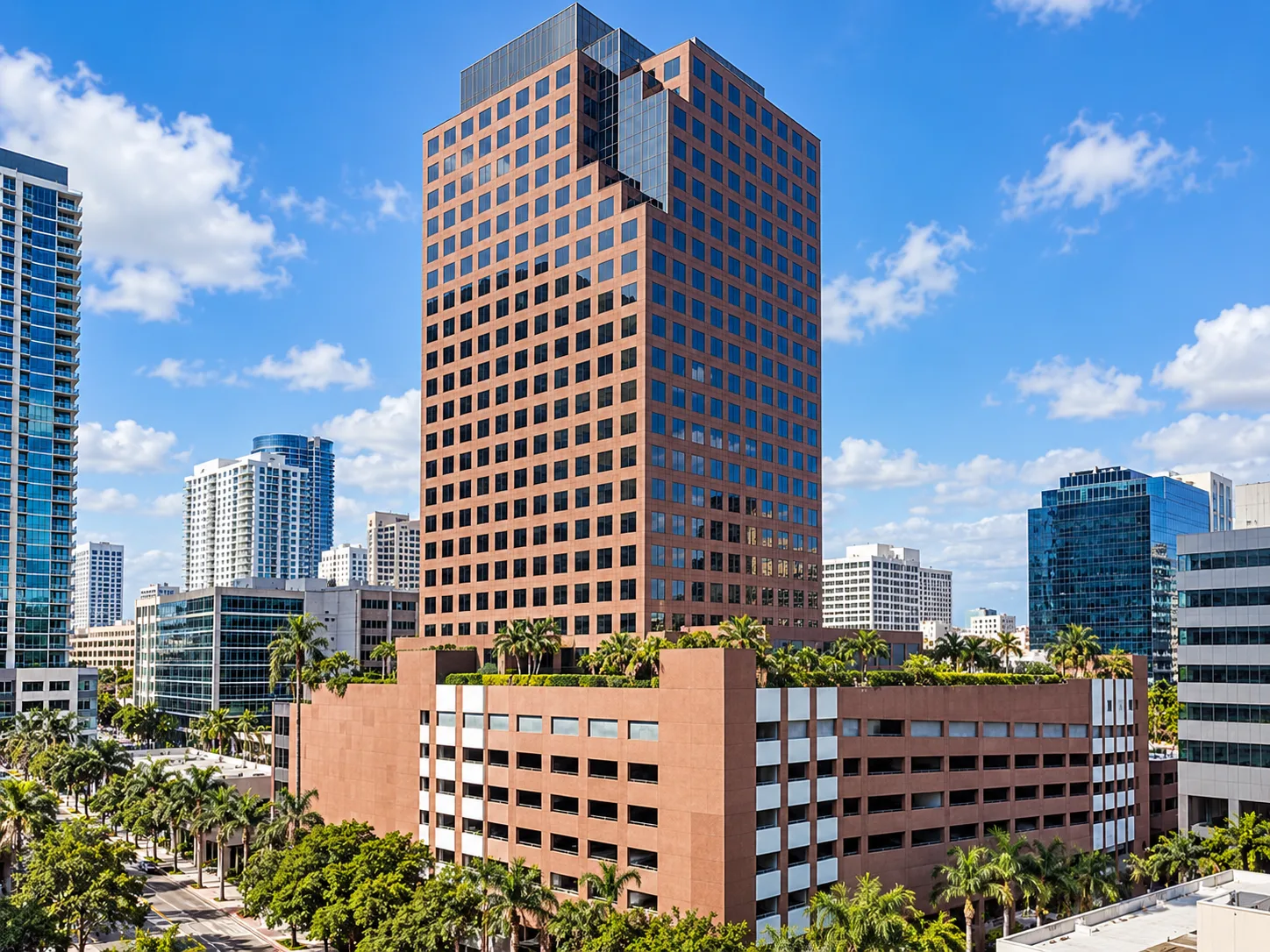
The six-story 875 Howard totals 188,252 SF and offers 32K SF floorplates. The LEED Gold-certified building includes EV charging, bike storage, showers and lockers. The three-story 899 Howard spans 92K SF.
The property sits close to Interstate 80 and US Route 101. It is also within walking distance of BART, MUNI, dining and other transit options. Those location advantages now sit alongside a major occupancy challenge for the new ownership group. The large floorplates at 875 Howard could appeal to users seeking contiguous space, but the source does not identify prospective tenants. Its certification and tenant amenities provide a leasing package without changing the immediate vacancy numbers.
Why It Matters
The sale lands in a San Francisco office market still carrying high vacancy and substantial debt exposure. San Francisco office pricing remains under pressure even as transactions continue. The metro had $12.6B of outstanding office debt as of August, according to a report cited in the source. Vacancy reached 25.9%, the highest among the top markets surveyed. The national rate was 17.8%.
Sales activity remained significant despite those conditions. San Francisco recorded $2.7B of office sales. The average price was $535.50 PSF, more than double the national average of $204.60 PSF. Nationally, Yardi Matrix tracked $42.7B of office sales across 1,850 deals.
The gap between local and national pricing also shows how transaction averages can reflect very different asset mixes. San Francisco’s average PSF was high even while the market posted the highest vacancy rate in the comparison set. That combination makes individual occupancy and basis especially important when evaluating deals.
What’s Next
Seven Equity Group enters ownership with one building partially leased and the other empty. Transwestern remains the leasing manager, making occupancy the clearest operating variable for the asset. At the market level, San Francisco owners are also navigating high vacancy and a large volume of outstanding debt.
The Howard Street sale provides another benchmark for how older downtown properties are clearing in that environment. The properties’ proximity to transit and major roads gives the new ownership a location advantage. However, the source makes clear that leasing, not access, is the central issue at closing. Any improvement will have to come from filling a large amount of existing space.