







- AI and real-time data are becoming everyday tools for site selection, leasing, marketing, research, and operations.
- High construction costs and tight vacancy are increasing the focus on adaptive reuse, second-generation space, and flexible activation strategies.
- Well-located Florida retail continues to attract capital, especially grocery-anchored, necessity-based, and service-oriented properties.
Florida retail real estate is leaning harder on data, AI, and physical experience. Colliers summarized the themes in its ICSC Florida 2026 conference takeaways after more than 4,500 professionals gathered in Orlando. The three-day event covered technology, leasing, investment, development, and consumer behavior.
Get Smarter about what matters in CRE
Stay ahead of trends in commercial real estate with CRE Daily – the free newsletter delivering everything you need to start your day in just 5-minutes
Florida Retail Real Estate Embraces AI
AI surfaced across site selection, leasing, marketing, research, prospecting, and operations. Panelists described it less as a future concept and more as an everyday productivity tool. The consistent view was that AI can improve speed and analysis but does not replace human expertise or final decision-making. Students and emerging professionals also asked how firms are incorporating AI into current workflows, showing how quickly adoption expectations are spreading.
Data has also moved closer to the center of deal decisions. Retailers are using more detailed consumer information to test site assumptions and improve location choices. Landlords are applying data to tenant mix, customer journeys, and gaps within shopping centers.
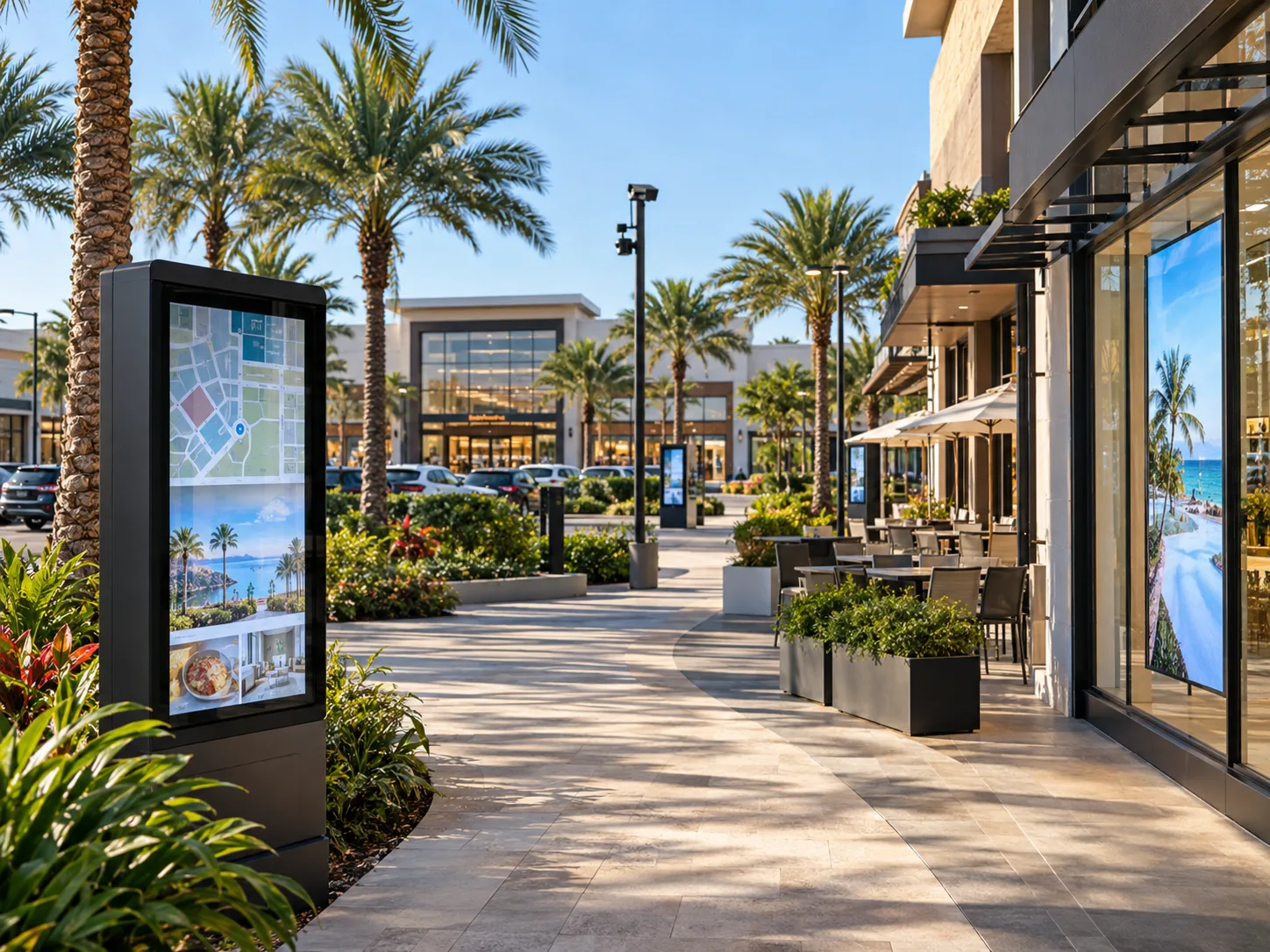
Operators are also connecting digital channels to physical properties. Tools include digital signage, loyalty programs, mobile engagement, and real-time content. Some concepts use weather-responsive displays or interactive promotions to reduce friction and drive visits into tenant spaces.
AI is also being used for repetitive tasks, complex data analysis, and marketing leads through Answer Engine Optimization. Panelists still emphasized verification. Landlords remain responsible for due diligence even when AI produces polished plans or recommendations.
Experience and Reuse Drive Leasing
Food, beverage, and entertainment concepts are increasingly used to create shared in-person experiences and extend visits. Shopping center operators are increasing budgets for events and community programming. The goal is to create traffic that retailers can convert into sustained sales.
Entertainment is also becoming a larger part of tenant mix strategy. These users can attract customers from wider trade areas than traditional retailers, according to panelists. That makes them potential primary traffic drivers rather than simply supporting uses.
High construction costs and tight vacancy are pushing more demand toward second-generation spaces and adaptive reuse. Big-box vacancies can attract off-price retailers, gyms, and entertainment concepts. Conversions can still face legacy-building issues, unexpected infrastructure conditions, and permitting bottlenecks.
Municipal zoning can add another layer of difficulty when older codes do not fit new experiential uses. Owners are also testing pop-ups and automated concepts. Those formats can activate underused square footage and create ancillary revenue without a full conventional buildout.
Physical Retail Attracts Brands and Capital
Digitally native brands are increasingly using stores as extensions of their online businesses. The challenge is often capital planning. New retail entrants can underestimate buildout costs, permitting timelines, and ongoing operating expenses, which makes landlord due diligence important. Owners therefore need to test a brand’s sales base, audience, capital, and operating readiness before committing space.
Investment demand remains competitive for well-located Florida retail. Colliers cited strong tenant sales, durable cash flows, and persistent demand for grocery-anchored, necessity-based, and service-oriented centers. When new construction is too expensive, investors are pursuing repositioning and value-add redevelopment. The conference view was that institutional and private capital allocations to the state remain active despite interest-rate and bid-ask-spread concerns.
Technology, data, experiences, and tenant mix are increasingly shaping retail real estate strategy. Owners are also using pop-ups and automated concepts to activate underused space and capture ancillary revenue.
Why It Matters
The conference themes point to a retail business that is becoming more analytical without becoming less physical. AI and digital tools can improve decisions and operating efficiency. The property still needs an experience that attracts customers, supports tenants, and converts visits into sales.
Relationships remain central to transactions. Colliers said direct conversations, industry networks, digital platforms, and established contacts continue to surface opportunities. Those relationships help move off-market deals and other transactions forward. Technology can make the process more efficient, but it does not replace trust or local market judgment.