







- HUD changed Section 18 to give public housing authorities more flexibility to use private-sector financing for aging properties.
- Buildings constructed before 1950 may qualify as functionally obsolete under the new guidance, depending on design and reconstruction costs.
- The update also expands eligibility for small agencies and mixed-finance properties reaching the end of their initial LIHTC period.
HUD is widening the paths public housing authorities can use to bring private capital into aging properties. Bisnow’s coverage of the Section 18 update cited HUD’s estimated $170B backlog of public housing capital needs. The late-August guidance loosens eligibility for a program that can shift properties toward voucher-backed funding structures.
Get Smarter about what matters in CRE
Stay ahead of trends in commercial real estate with CRE Daily – the free newsletter delivering everything you need to start your day in just 5-minutes
Private Capital in Public Housing Expands
About 1.2M households live in public housing across the US. More than 3,300 public housing authorities manage those units. Eric Oberdorfer of the National Association of Housing and Redevelopment Officials said agencies have faced decades of underfunding. Operating costs began rising faster than tenant incomes in the 1960s.
Section 18 allows authorities to transition eligible units so tenants can receive Section 8 and Tenant Protection Vouchers. That model lets properties move beyond reliance on federal public housing operating and capital funds. Authorities can then work with private developers and lenders on improvements that existing federal allocations might not cover.
Authorities still receive rent subsidy funding when they use Section 18, according to Oberdorfer. The key change is access to a different funding stream for the property. That can support private investment in modernization or redevelopment while vouchers continue to support tenant rent obligations.
The August update changes eligibility in three major areas: functional obsolescence, small housing authority portfolios, and mixed-finance properties.
Older Buildings Gain Eligibility
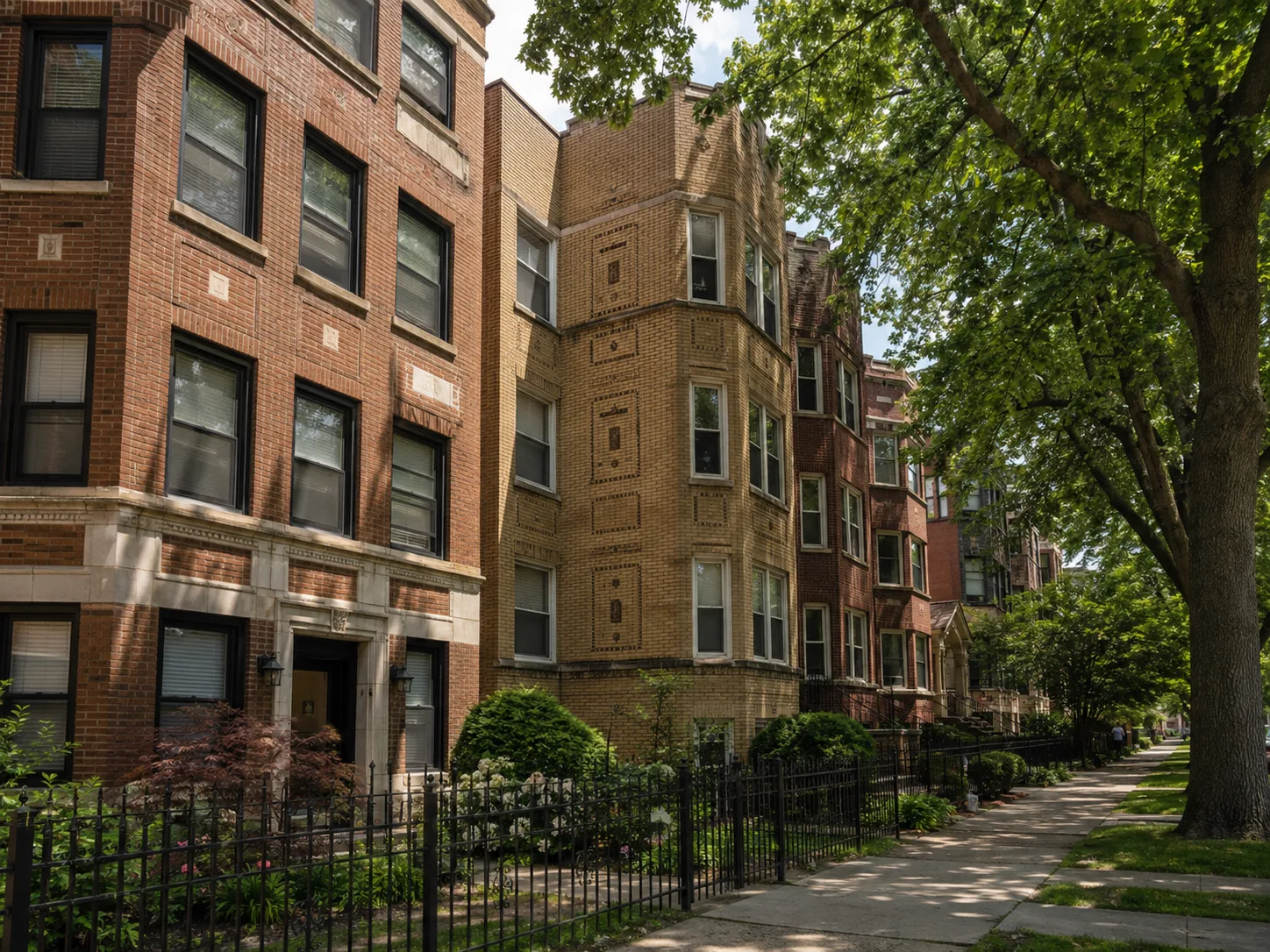
HUD clarified what qualifies as functional obsolescence. Public housing built before 1950, at least 270,000 units, may meet the new criteria. The guidance includes building or site design flaws that can only be corrected through reconstruction.
Cost thresholds also matter. For buildings without elevators, required upgrades must exceed 57% of total reconstruction development costs. The threshold rises above 62% for buildings with elevators. Meeting those tests can allow demolition or disposition, followed by redevelopment, modernization, or sale as affordable housing.
Small Portfolios and Mixed Finance Expand
The rule now lets agencies with 75 or fewer units reposition properties into voucher models. The previous limit was 50 units. That can help authorities with small remaining public housing portfolios or scattered-site units that are difficult to maintain consistently. The change can also help authorities manage scattered-site units where distance makes maintenance and operating consistency harder.
Mixed-finance properties also gain a new route. These projects combine low-income housing tax credits with federal operating subsidies. Once the 15-year LIHTC period expires, the updated policy can allow eligible properties to use Section 18. Tanya Dempsey of CSG Advisors said many older mixed-finance properties have struggled to recapitalize under prior restrictions. The prior rules did not explicitly provide that path after the tax-credit compliance period ended.
The scattered-site provision matters because public housing is not always concentrated in large apartment towers. Some authorities own smaller groups of units spread across a city or region. Oberdorfer said that pattern is more common in parts of the West, where voucher programs account for more housing assistance.
Why It Matters
The change reduces reliance on congressional appropriations for some property repairs and redevelopment. It could make public-private partnerships easier to finance by giving developers and lenders a more stable voucher-backed funding structure.
The funding shift can also change the risk calculation for project partners. Oberdorfer said Section 18 can make private participation easier when federal appropriations are uncertain. Voucher-backed structures can provide another route to finance repairs that public housing operating and capital funds have not been able to cover.
HUD’s changes could widen the role of private capital in affordable housing. Dempsey identified tax credit investors, traditional bank lenders, and GSE lenders as potential funding sources. She also expects interest from large developers already active in public housing renovation.
What’s Next
The expanded framework could support several outcomes. Obsolete buildings may be redeveloped, mixed-finance properties may be recapitalized, and vacant housing-authority land may support new affordable units. Actual use will depend on each portfolio, project economics, and available private financing.
Dempsey expects the broader eligibility to draw attention from developers that already participate in large public housing repair programs. The rule could also make projects feasible on unused land owned by housing authorities, creating another potential path for affordable housing development.