







- US office sales posted 31% year-over-year growth, with $7.6B of nationwide volume recorded in July.
- Central business district sales rose 46% in July, compared with 26% growth in suburban office sales.
- First-half office sales reached $40B, up 14.1% from the same period in 2025, as several major markets showed stronger activity.
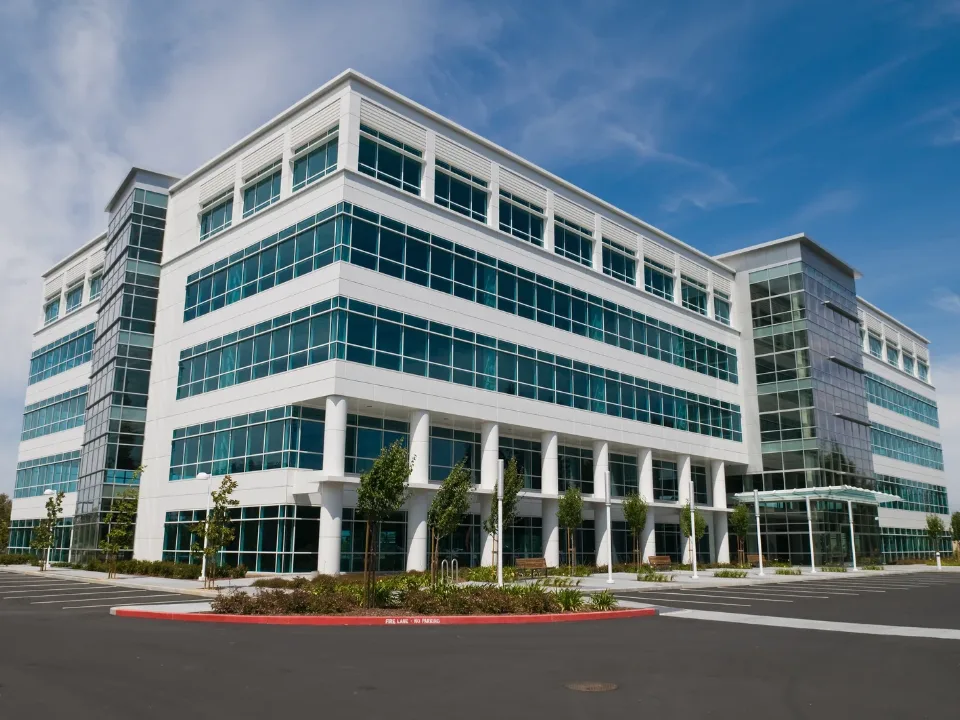
Office transaction activity is showing a clearer rebound in 2026. Bisnow’s summary of new Colliers sales data says the sector generated $7.6B of nationwide sales in July and was one of only two traditional asset classes to post volume growth. Office was also the only traditional sector with year-over-year pricing gains that month, although the increase was a modest 4%.
Get Smarter about what matters in CRE
Stay ahead of trends in commercial real estate with CRE Daily – the free newsletter delivering everything you need to start your day in just 5-minutes
Office Stands Out in a Flat Sales Market
Traditional property sales were almost unchanged overall in July. Nationwide volume across the main sectors totaled $36.3B, down 1% from July 2025. Office stood apart with stronger transaction activity and modest pricing improvement.
Two major deals illustrated the pickup. Williams Tower in Houston sold for $300M, the city’s largest office transaction since 2019. Hines also paid $151M for an Austin office tower previously owned by Brandywine.
The pricing increase was limited, but it was still unique among the traditional property sectors tracked by Colliers in July. That gives office both a volume and pricing distinction within an otherwise flat month for commercial property sales.
CBD Sales Lead the Increase
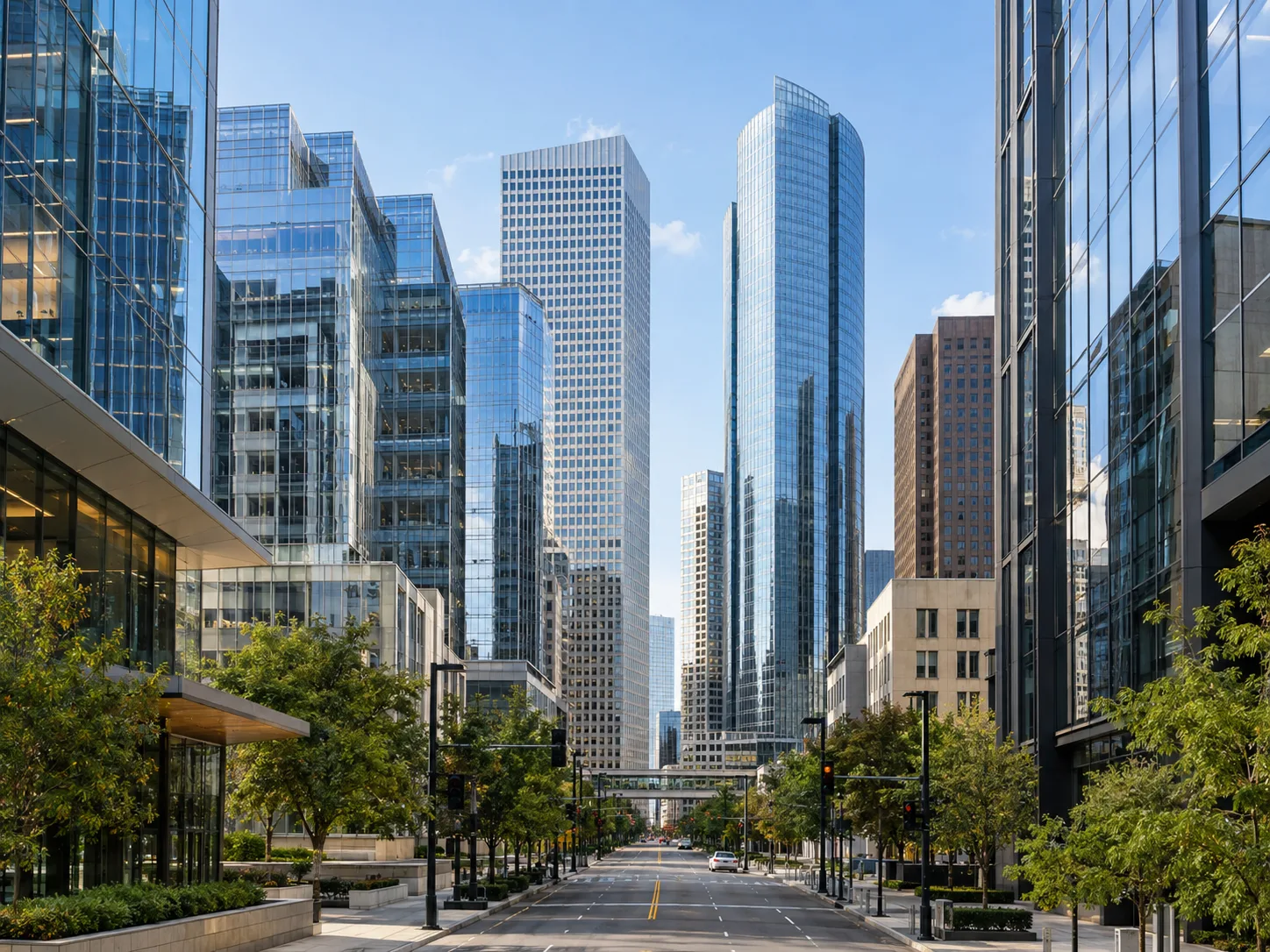
Urban cores posted the strongest growth. Central business district office sales volume increased 46% in July, while suburban volume rose 26%.
Colliers attributed the CBD increase primarily to individual building sales. In the suburbs, portfolio transactions drove more of the growth, including medical office portfolio deals.
The split also shows different transaction patterns by geography. Single-building trades were more important in downtown markets, while suburban gains depended more on bundled portfolios.
First-Half Volume Was Already Improving
First-half office sales reached $40B, up 14.1% from the same period in 2025.
An Avison Young report cited in the source identified the New York metro area, the Bay Area, and Houston as leading office transaction markets during the first half.
The July results extend that earlier momentum. The source headline puts year-over-year office sales growth at 31%, reinforcing the sector’s position as a relative bright spot in a broader transaction market that changed little.
Vacancy Trends Add to the Recovery Story
Office fundamentals have also shown signs of improvement after several difficult years. Vacancy rates declined in more than half of major US markets, according to the source.
Leasing activity has been supported in part by artificial intelligence-related demand, especially in New York City and San Francisco. The trend toward improving occupancy has also appeared outside traditional technology hubs.
That occupancy improvement adds context to the sales rebound. Buyers are seeing a market where leasing conditions are no longer deteriorating uniformly, even though distress remains part of the office landscape.
Why It Matters
Office remains a market with significant post-pandemic distress, but transaction liquidity is improving. Rising sales volume gives owners, lenders, and investors more price discovery than a quieter market can provide.
July’s mix is also notable. CBD sales grew faster through individual asset trades, while suburban gains leaned more heavily on portfolios. That suggests the office recovery is not limited to one transaction type or one geography.