








- The Fed Beige Book found US economic activity increased modestly over the prior two months, with a positive but mixed outlook.
- Data-center and defense orders supported manufacturing, while data-center construction tightened labor availability in some districts.
- Consumer price sensitivity remained elevated as prices accelerated moderately and several districts reported pressure on household budgets.
US economic activity improved modestly over the prior two months, with data-center demand emerging as a recurring growth driver. Bloomberg’s coverage of the latest Fed Beige Book highlights stronger manufacturing activity across most districts, slight employment growth, and a positive overall outlook. The survey also showed mixed sector sentiment as businesses weighed energy costs, geopolitics, and consumer price sensitivity.
Get Smarter about what matters in CRE
Stay ahead of trends in commercial real estate with CRE Daily – the free newsletter delivering everything you need to start your day in just 5-minutes
Data Centers Lift Industrial Activity
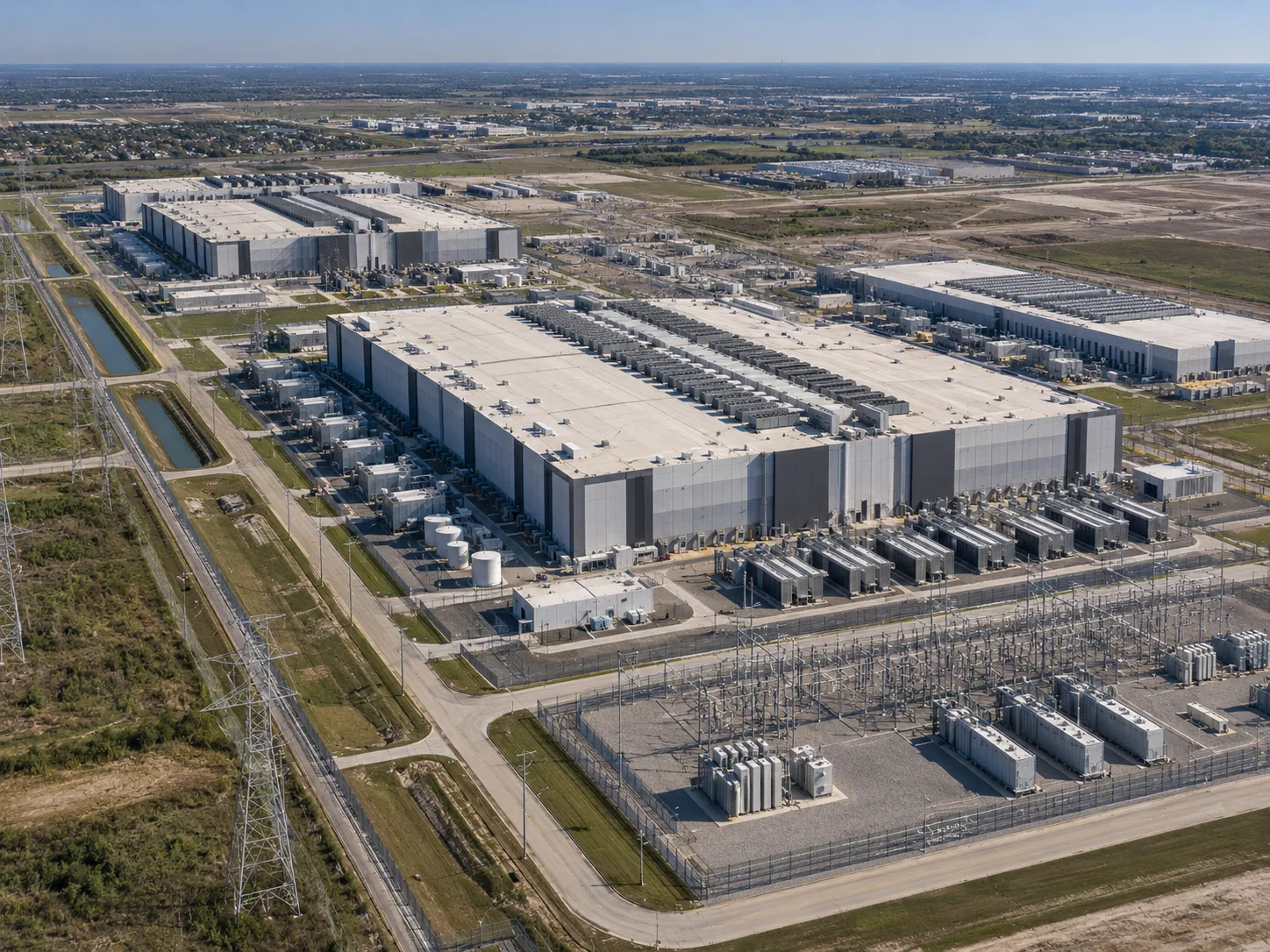
The Beige Book included 25 references to data centers and 19 to artificial intelligence. Manufacturing grew across most Federal Reserve districts, supported by defense and data-center orders. Cleveland contacts described robust manufactured-goods demand driven by both sectors.
Construction markets also felt the effect. In the Richmond district, data-center building activity increased competition for labor. One Maryland contractor implemented a 35% pay increase to retain workers. That pressure shows how large infrastructure projects can influence staffing costs beyond the facilities themselves.
Demand tied to the sector was strong enough to shape local operating conditions. Richmond-area contractors reported competition from non-local companies pursuing data-center work. In Cleveland, manufacturers linked growing orders directly to data centers and defense spending.
Labor Demand Remains Uneven
Employment rose slightly nationwide, but hiring conditions varied by sector. Healthy labor demand appeared most often in manufacturing, construction, and some services. Retail and hospitality contacts reported falling labor demand.
The Fed Beige Book continues to show uneven growth across districts even when headline activity improves.
Technology hiring was similarly mixed. New York contacts said AI engineers remained difficult to find, while demand weakened for entry-level technology and administrative roles. A Philadelphia banking contact reduced back-office hiring through automation but continued prioritizing customer-facing and revenue-producing jobs.
Consumers Push Back on Prices
Prices accelerated moderately in most districts, but businesses did not always have room to pass increases through. Consumer-facing contacts in several districts said heightened price sensitivity limited pricing power.
Examples varied by region. Atlanta retailers reported a continued flight to value, with private-label goods outperforming name brands. Restaurants there saw customers spending less per visit, although traffic was generally steady and year-over-year sales remained slightly positive. Cleveland reported a fourth straight period of modest consumer-spending declines as fuel and food costs pressured budgets.
Price pressure also showed up in wages and household budgets. St. Louis contacts cited living costs, minimum wages, and unions as sources of upward wage pressure. Minneapolis contacts said hourly wages were generally rising faster than salaried pay, while employers described difficult compensation decisions.
Regional Signals Stay Mixed
Other districts showed how economic pressure is landing unevenly. Boston contacts said Cape Cod restaurant and retail sales declined modestly as hot weather kept visitors near beaches and higher lodging costs left less money for other spending. Kansas City reported rising gasoline costs weighing heavily on lower-income and rural households.
Chicago contacts saw modestly lower consumer-loan volumes and soft residential mortgage demand amid high interest rates. Dallas airlines were able to hold ticket prices because demand supported higher fares after jet-fuel costs rose. Some Dallas retailers delayed planned price increases until later in the year or 2027.
San Francisco contacts offered a different signal on productivity. Businesses attributed gains about equally to new AI tools and to non-AI factors such as process improvements, training, and general technology. The report therefore showed AI influencing both labor demand and workplace efficiency.
Rates Remain in Focus
The Beige Book was based on information gathered by the Fed’s 12 regional banks through Aug. 24 and compiled by the Minneapolis Fed. Fed officials left interest rates unchanged at their July meeting.
The Fed’s outlook language remained positive, but sentiment differed across industries. High-end spending was solid, while consumers became more selective elsewhere. That mix leaves businesses with growth in some capital-intensive sectors and tighter pricing power in more consumer-facing categories.
Chairman Kevin Warsh has warned that the central bank may need to act if inflation fails to move toward its 2% mandate. For CRE, the latest district reports point to a mixed operating backdrop. Data-center investment is supporting construction and manufacturing, but higher costs and cautious consumers remain visible across several regions.