



- A LoopNet survey found roughly a third of Dallas multifamily investors plan to fund renovations to boost rents, while another third are holding extra cash to weather downturns.
- Dallas asking prices average about $432 per square foot, more than double suburban submarkets like Garland at $166 and Richardson at $160, pushing some investors outward.
- Rising debt costs, oversupply-driven rent slowdowns and higher operating expenses are prompting investors to scrutinize deal fundamentals more closely than in prior cycles.
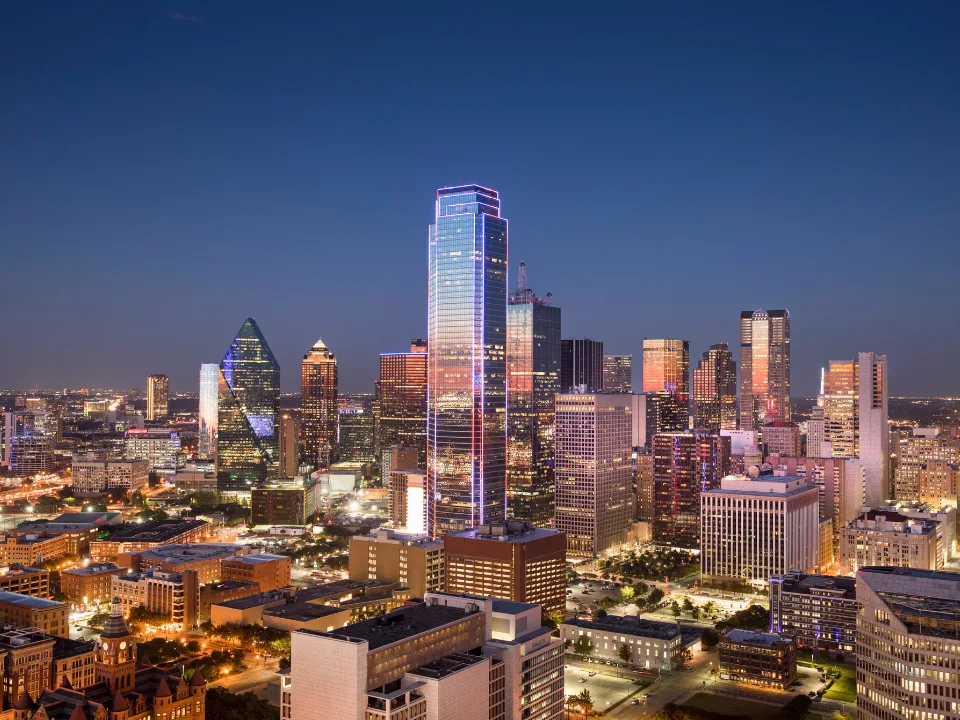
Dallas multifamily investors are entering 2027 with sharply divided capital strategies, as a LoopNet investor survey found only 15% plan to pursue new acquisitions. Roughly a third of respondents said they’ll instead fund renovations to raise rents and add value, while another third plan to hold extra cash to weather potential market downturns, according to the survey cited by RE Business Online. About a quarter of investors said they don’t plan any portfolio changes at all.
Get Smarter About What Matters in Texas
Subscribe to our free newsletter covering the biggest commercial real estate stories across Texas — delivered in just 5 minutes.
A Cautious Shift
The findings mark a departure from the acquisition-heavy strategies that defined the early 2020s multifamily boom, when investors competed aggressively for Dallas-area assets. Cyrus Khadivi, regional vice president of sales at LoopNet Inc./Ten-X, said the survey reflects investors weighing whether to compete for premium Dallas properties, chase cheaper suburban alternatives, upgrade existing holdings, or simply preserve liquidity until conditions improve.
That range of responses points to a market without a single dominant playbook, where strategy increasingly depends on an investor’s existing portfolio, debt maturities and risk tolerance rather than a shared read on where prices are headed next.
The Details
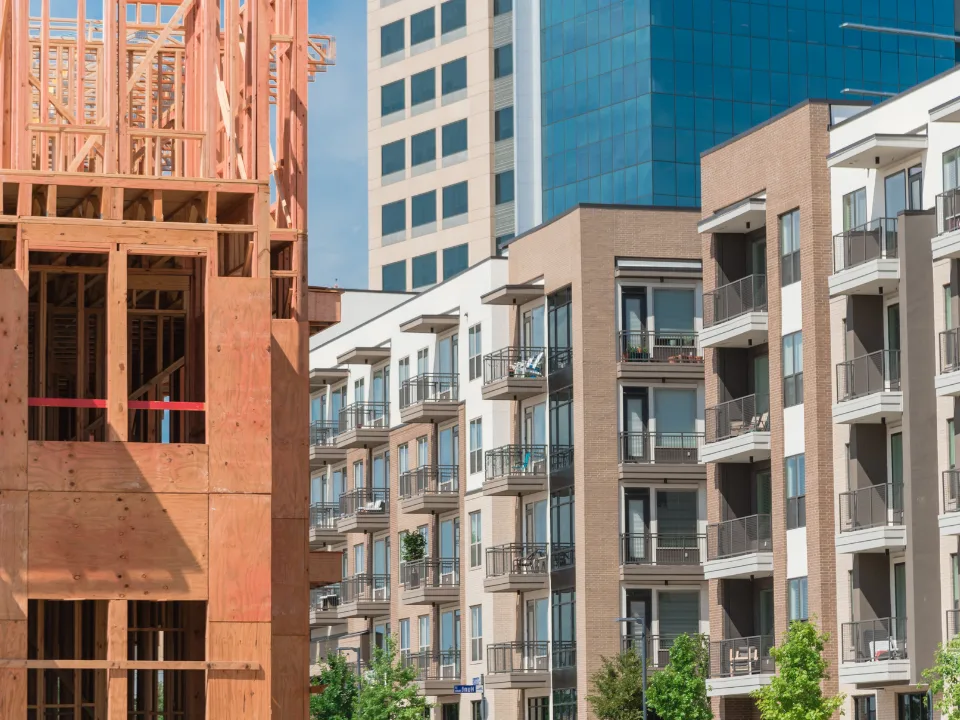
Dallas multifamily assets carry an average asking price of about $432 per square foot, compared with $166 in Garland and $160 in Richardson, a gap wide enough to push some buyers toward lower-cost suburban submarkets. Among survey respondents, 27% said they plan to fund renovation projects and 17% intend to invest in improving net operating income and tenant retention at existing properties. Investors with four or more years of experience placed even greater weight on renovations, with 31% calling them important to their strategy over the next 12 months.
The price gap between core Dallas and its suburbs has widened enough that some investors are treating submarket selection, not just asset quality, as the primary lever for returns in 2027, favoring value-add plays in Garland and Richardson over competing head-on for premium Dallas product. That divergence marks a shift from prior cycles, when investors more often paid a premium for core-market exposure regardless of per-square-foot cost.
Zooming Out
The hesitancy toward new deals comes as overall CRE transaction activity has picked up nationally, even as larger deals capture a growing share of volume, suggesting capital is consolidating around fewer, more selective plays rather than broad-based buying. In North Texas specifically, distress at firms like S2 Capital has added to investor caution around new multifamily commitments.
That contrast between rising national deal counts and Dallas’ 15% acquisition rate suggests local investors are being more conservative than the broader market, likely reflecting how much new supply has hit North Texas submarkets in recent years relative to other metros.
Why It Matters
The survey underscores how elevated debt costs, slowing rent growth in oversupplied submarkets and rising operating expenses have pushed investors to scrutinize deal fundamentals more closely than in recent years. With just 15% of investors chasing acquisitions, competition for well-positioned Dallas assets could stay elevated even as overall deal volume slows, rewarding owners who can demonstrate stable in-place income.
The results also suggest lenders should expect more capital requests tied to renovation and repositioning rather than acquisition financing, a shift that could reshape underwriting priorities across North Texas multifamily lending in 2027.
What’s Next
Expect renovation and value-add spending to remain the dominant strategy through 2027 as investors wait for clearer signals on interest rates and rent growth before committing to new acquisitions. Suburban submarkets with lower price points, including Garland and Richardson, could see relatively more investor interest if the affordability gap with core Dallas assets persists.
Watch for updated LoopNet survey data later in 2027 to show whether the current 15% acquisition rate holds or rebounds once borrowing costs stabilize, and for whether renovation spending translates into measurable rent growth for the investors betting on it.