






- Spirit Halloween opens roughly 1,500 temporary stores annually through a specialized leasing operation targeting vacant retail space.
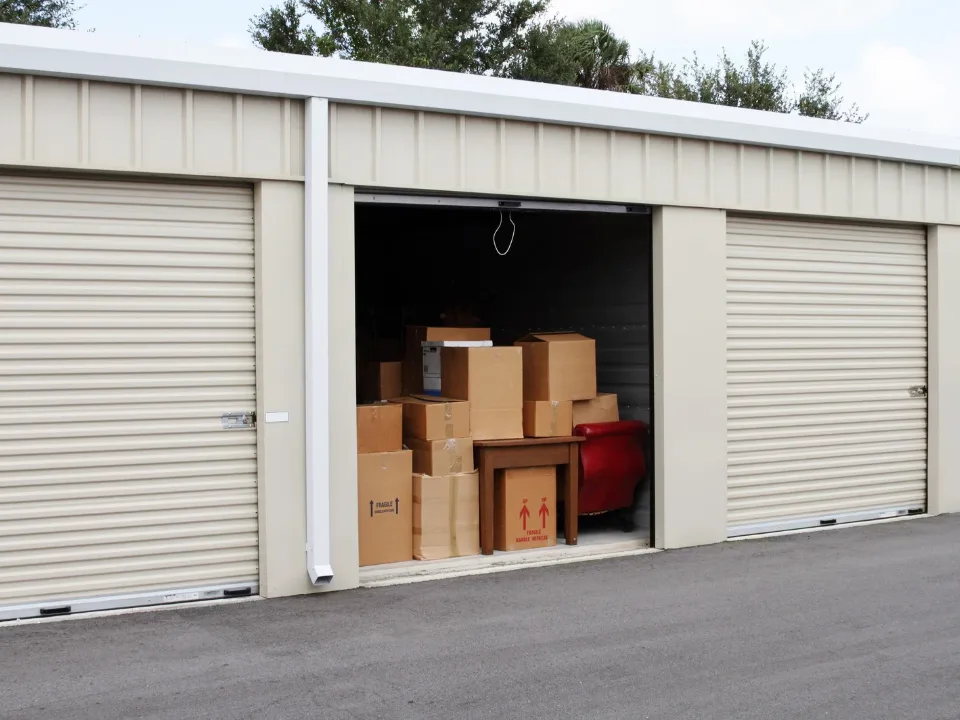
- Flexible termination clauses let landlords collect temporary rent while preserving opportunities to sign permanent tenants.
- The strategy shows how pop-up retail can monetize downtime, especially when bankrupt chains leave usable big-box locations behind.
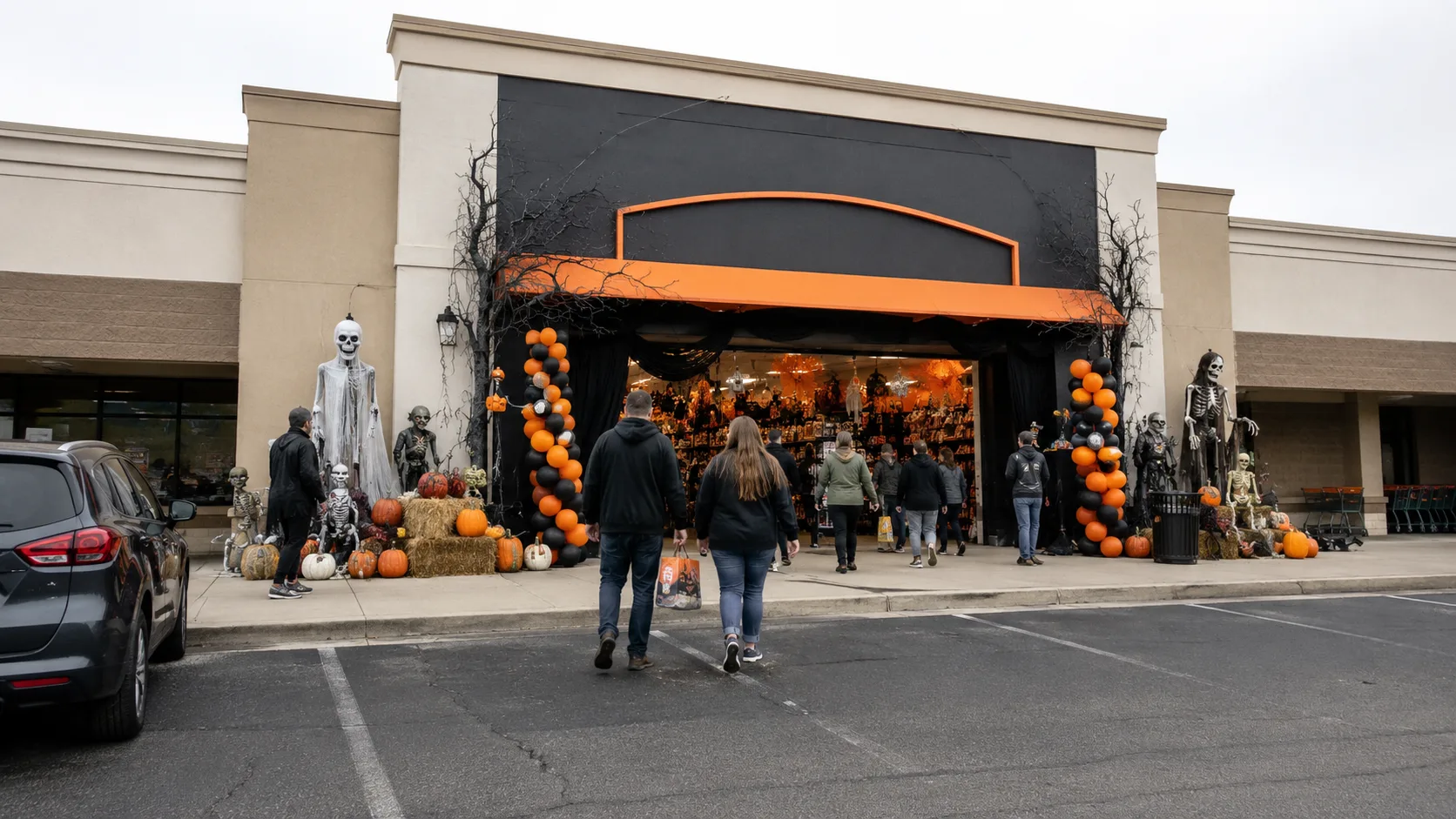
Spirit Halloween is again turning retail vacancies into a network of roughly 1,500 temporary stores across North America. The retailer opens locations between August and early September before closing them after Halloween.
According to CoStar News, Spirit relies on flexible leases, landlord relationships and a specialized real estate operation. Together, those advantages help the retailer secure thousands of suitable storefronts every year.
Get Smarter about what matters in CRE
Stay ahead of trends in commercial real estate with CRE Daily – the free newsletter delivering everything you need to start your day in just 5-minutes
A Pop-Up Machine Decades in the Making
Joe Marver founded Spirit Halloween in 1983. Spencer’s Gifts’ parent acquired the business in 1999. Today, Spencer Spirit Holdings provides year-round logistics, warehousing and other operational support.
Spirit also maintains a specialized leasing team focused on temporary locations. That team starts identifying potential vacancies during the first quarter, according to CoStar News. It also meets landlords at major ICSC conferences throughout the year.
GlobalData Managing Director Neil Saunders said those relationships give Spirit a competitive advantage. He told CoStar News in 2026 that competitors would struggle to replicate Spirit’s institutional knowledge and industry connections.
The Details
Spirit targets stores between 5,000 and 50,000 SF, according to its website. Preferred properties include power centers, strip centers, freestanding locations, downtown sites and major malls.
The retailer targets markets with more than 35,000 residents within three to five miles. It also prefers locations with at least 25,000 vehicles passing daily.
However, Spirit needs functional spaces because temporary stores cannot support expensive improvements. Urban Edge leasing chief Scott Auster said suitable stores need air conditioning, bathrooms and lighting.
Retail consultant Rudy Milian said Spirit uses standardized fixtures, temporary walls and plug-and-play checkout systems. Crews can open a vacant big box within one week and remove the setup within two days.
Why Retail Vacancies Work for Spirit
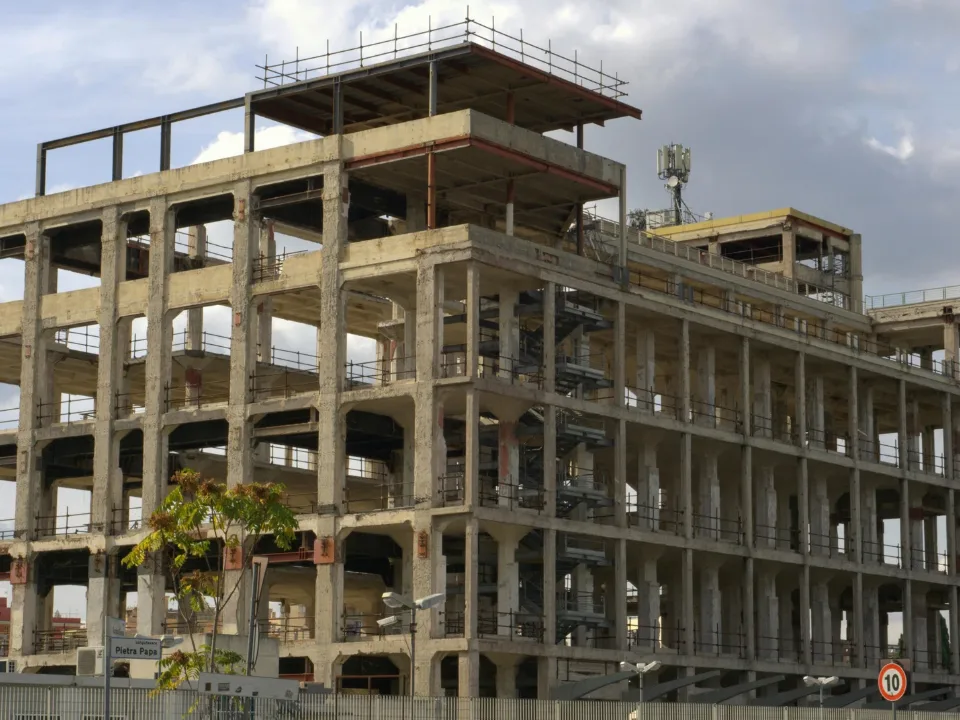
Retail bankruptcies have created a steady pipeline of potential locations. Spirit has occupied former Party City and Joann stores, according to CoStar News.
Those empty boxes often already contain the infrastructure Spirit needs. As a result, the retailer can move quickly without committing significant capital to temporary improvements.
The arrangement also benefits landlords. Spirit’s agreements typically let owners terminate leases when permanent tenants emerge before seasonal occupancy begins.
Therefore, owners can collect rent from otherwise empty space without sacrificing long-term leasing opportunities. Spirit effectively provides bridge income while landlords continue marketing their properties.
A $13B Seasonal Retail Battle
Halloween represents a sizable consumer spending opportunity. The National Retail Federation estimated 2025 Halloween spending at $13.1B, according to CoStar News.
Spirit faces competition from Amazon, Walmart, Target, Home Depot, Michaels, HomeGoods and dollar stores. Yet its physical stores offer something online competitors cannot easily reproduce.
Spirit combines costumes and decorations with animatronics and themed displays. Those features turn ordinary vacant storefronts into seasonal destinations.
That approach has developed a loyal following. An estimated 3,000 shoppers attended Spirit’s August 1 flagship opening in Egg Harbor Township, New Jersey.
Why It Matters
Spirit shows how pop-up retail can generate income during gaps between permanent leases. Landlords can keep storefronts active while continuing their search for long-term tenants.
The strategy can also improve a shopping center’s appearance during an important retail season. Dark storefronts instead become active spaces that attract shoppers and generate rent.
However, Spirit’s presence can also reveal underlying vacancy conditions. Urban Edge has only a handful of Spirit locations across its portfolio in 2026.
The landlord hosted roughly a dozen Spirit stores in 2025, according to CoStar News. Auster attributed the decline to lower vacancy across Urban Edge’s portfolio.
That creates an interesting dynamic for retail owners. Fewer Spirit leases can actually indicate stronger permanent occupancy and healthier shopping center fundamentals.
What’s Next
Spirit now wants to extend its temporary leasing model beyond Halloween. The company plans to open 44 Spirit Christmas stores in 2026.
That figure increased from roughly 30 locations in 2025, according to CoStar News. Holiday pop-ups are already expanding across multiple states.
Some landlords can transition existing Halloween stores directly into Christmas locations. Urban Edge plans that approach at Woodbridge Commons in New Jersey. Spirit Christmas will replace the property’s Spirit Halloween store after the Halloween season.
The expansion could make Spirit’s real estate platform increasingly valuable beyond October. It also gives landlords another opportunity to monetize vacancies during the holiday shopping season.