







- US industrial investment reached $33B in Q2, up 28% year over year for an eighth straight quarter of double-digit growth.
- The sector’s gains came broadly from individual-property deals rather than a small number of portfolio or corporate transactions.
- Industrial finished just behind multifamily in Q2 volume, while data centers and senior housing also posted sharp investment gains.
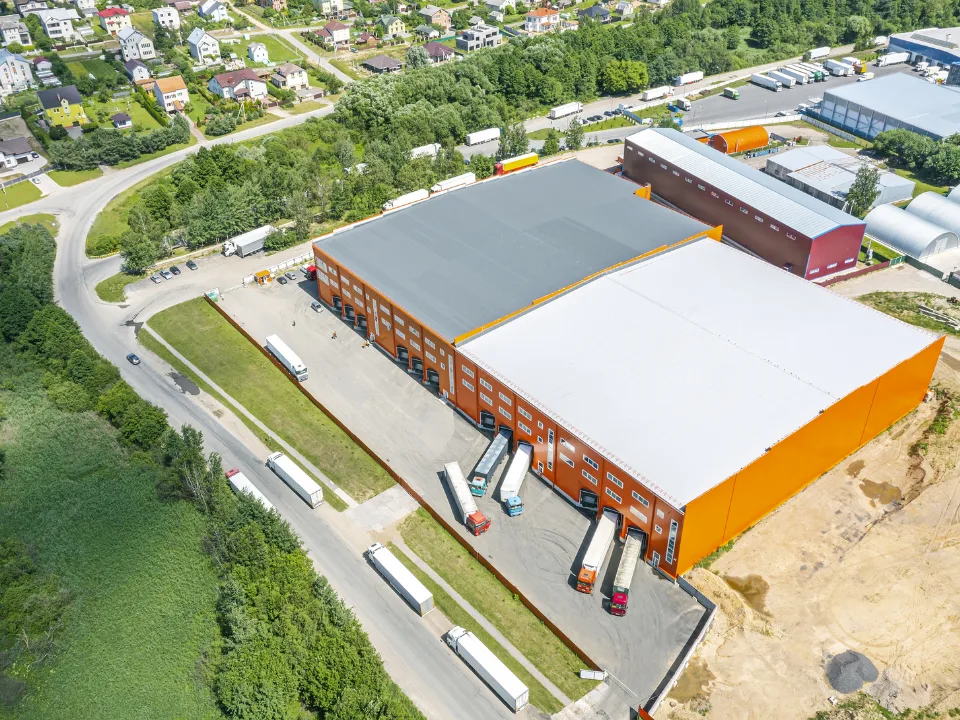
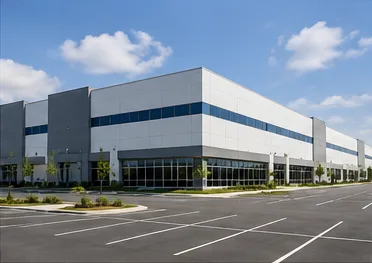
Industrial investment is emerging as one of the broadest parts of the US CRE recovery, according to Globe St. Savills reported $33B of industrial and logistics investment in the second quarter, up 28% year over year. The gain marked an eighth consecutive quarter of double-digit growth and was driven by individual-property activity.
Get Smarter about what matters in CRE
Stay ahead of trends in commercial real estate with CRE Daily – the free newsletter delivering everything you need to start your day in just 5-minutes
Industrial Investment Broadens
The industrial sector’s $33B quarter placed it just behind multifamily at $36B. The quality of the growth was different, according to Savills’ Global Capital Markets report. Industrial activity rose across individual-asset acquisitions instead of depending on a major portfolio or corporate takeover.
That points to wider liquidity across logistics and warehouse properties. It also contrasts with the broader market, where portfolio investment rose 60% to $35B while individual-asset sales increased only 10%. Total US CRE investment reached $131B in Q2, up 20% from a year earlier.
Multifamily Shows a Different Mix
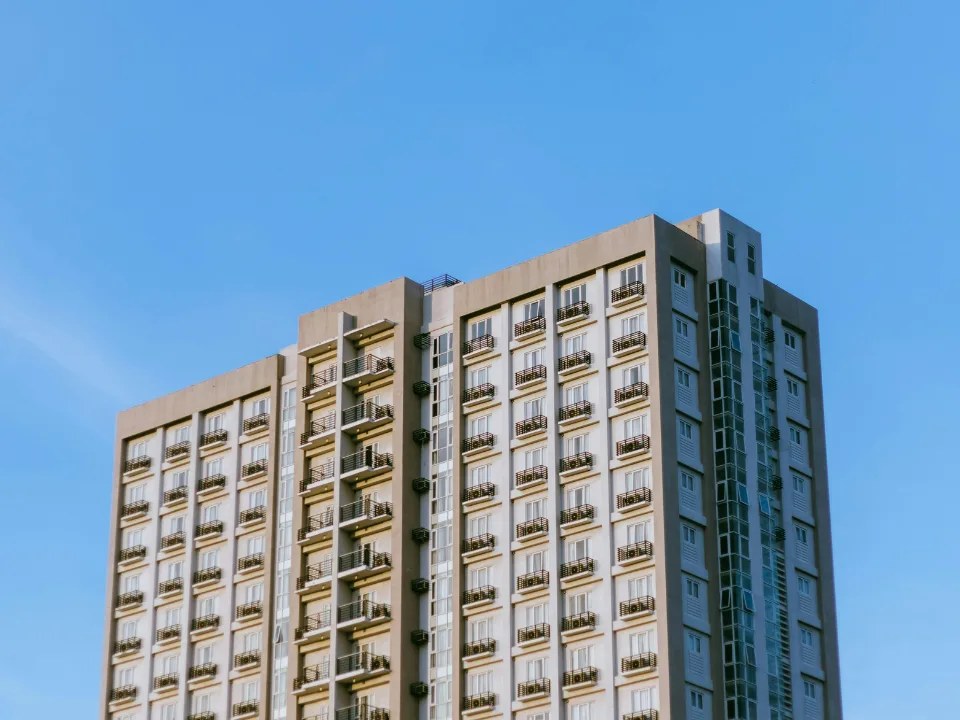
Multifamily remained the largest investment category in the quarter, but volume was essentially flat year over year. Savills said apartment investment would have fallen about 10% without Affinius Capital’s $3.5B take-private acquisition of Veris Residential.
Apartment fundamentals did improve. The sector absorbed more than 187,000 units in Q2, lifting occupancy to 95.5% as completions moderated. Even so, elevated supply continues to weigh on parts of the South, where more than one-fifth of units are offering concessions. That makes industrial’s broader transaction growth more notable.
Other Sectors Depend More on Big Deals
Retail investment increased 16% to $18B, but a TPG-led consortium’s $2B acquisition of ECHO Realty drove much of that gain. Individual retail-property transactions rose 6%. Data centers surged to $8.4B, nearly 20 times the year-earlier level, though the comparison started from a low base.
Senior housing investment rose 34% to $6.4B and extended an eight-quarter growth streak. Office was the only major exception in Q2, with investment down 5% because of lower portfolio activity. First-half office volume still rose 16% to $40B.
Why It Matters
Industrial provides one of the clearest signs that the CRE investment recovery is spreading beyond headline transactions. The sector has posted double-digit growth for two years while capital flows remain uneven elsewhere. The CRE investment recovery is also benefiting from improving liquidity across individual properties, not just large portfolios.
For investors, that breadth can be a stronger signal of market participation than totals shaped by a few major deals. Savills’ data show industrial attracting capital across a wider set of warehouse and logistics assets.
What’s Next
Industrial’s next test is whether individual-asset activity can remain strong as capital continues rotating across property types. Data centers and senior housing are attracting fast-growing investment, while office and multifamily remain more selective.
For now, industrial stands apart because its growth is both sustained and broad. Continued gains in single-asset transactions would reinforce the view that sector liquidity is deepening rather than being driven by isolated portfolio events.