








- Federal regulators will focus bank supervision on material financial risks and substantive legal violations rather than many process issues.
- A separate capital proposal could let the largest banks hold 2.4% less capital, equal to about $20B under current requirements.
- The changes could expand CRE credit capacity, but weaker emphasis on early operational warnings may allow risks to build longer.
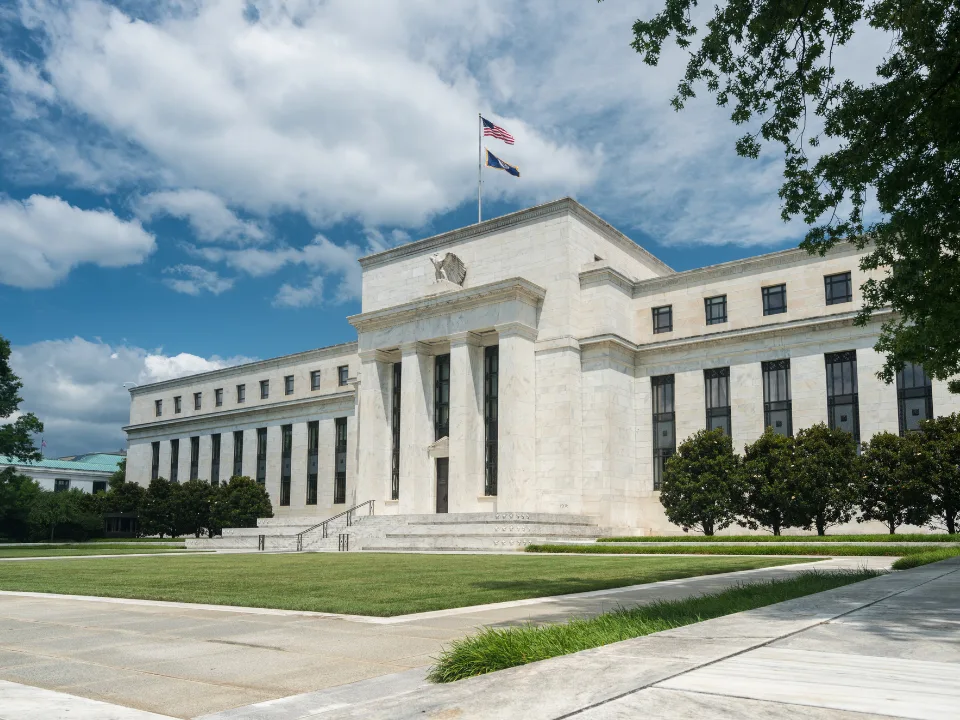
Federal banking regulators are narrowing how examiners define unsafe or unsound practices, reports Globe St. The change could reduce compliance burdens and give banks more room to direct resources toward CRE lending. It also reduces regulatory emphasis on some governance, documentation, and process weaknesses before they become measurable financial problems.
Get Smarter about what matters in CRE
Stay ahead of trends in commercial real estate with CRE Daily – the free newsletter delivering everything you need to start your day in just 5-minutes
Bank Supervision Narrows Its Focus
The Office of the Comptroller of the Currency and Federal Deposit Insurance Corp. issued a final rule creating a uniform definition of unsafe or unsound practice. Examiners will prioritize material financial risks and substantive legal violations. They will place less weight on policies, process, documentation, and other nonfinancial risks that do not directly threaten a bank’s condition.
Comptroller Jonathan V. Gould said the approach is intended to make supervision more reasonable and intentional. The agencies argue that banks and examiners should spend less time on compliance exercises that do not materially affect balance sheets or liquidity.
The CRE Lending Implications
The rule does not directly change CRE lending standards. Its importance comes from a wider regulatory shift that may reduce supervisory obstacles for banks. Regulators have also proposed lowering capital requirements for the largest banks by 2.4%, or about $20B. The proposal involves the enhanced supplementary leverage ratio adopted after the 2008 financial crisis.
Lower bank capital requirements could increase lending capacity, but they would also reduce buffers against losses. More capacity could help borrowers facing refinancing needs, debt maturities, and elevated capital costs. Banks would still have to manage their own credit exposure, liquidity, and underwriting standards.
Early Warning Risks Remain
A narrower material-risk test may give some early warning signs less regulatory weight. Weak documentation, controls, and governance may not immediately damage capital or liquidity. Over time, those weaknesses can contribute to poorer underwriting, inaccurate risk measurement, or gaps in management oversight.
The rule also makes Matters Requiring Attention more difficult to issue, according to the Financial Times. Those notices require banks to correct identified deficiencies. For CRE lenders, that matters because concentrated property exposure or deteriorating borrower performance can develop well before reported loan losses appear.
Why It Matters
The change follows other efforts to loosen post-crisis bank constraints. In late 2025, the FDIC and OCC ended 2013 leveraged-lending guidance after arguing that regulated banks had lost market share to nonbank lenders. The policy case is that excessive regulation can push lending outside the banking system.
The counterargument is that fewer constraints can increase risk inside federally insured banks. For CRE borrowers, the near-term result could be a more accommodating bank-credit environment. The longer-term question is whether regulators will still identify portfolio weaknesses early enough to limit larger losses.
What’s Next
Investors should watch how examiners apply the new materiality standard and whether proposed capital changes move forward. Easier supervision does not guarantee looser credit across every property type or market. Bank balance sheets, liquidity, underwriting, and property-level performance will still shape lending decisions. The key test will be whether banks expand credit without allowing CRE portfolio risks to accumulate beyond the point when supervisors can intervene effectively.