



- Data center construction costs rose an average of 21% per MW since late 2024, per Cushman & Wakefield. That far outpaced roughly 5% general inflation.
- Power infrastructure is the largest cost at 21%, and switchgear prices have climbed 60%. Some equipment lead times now stretch past two years.
- A $2.3T North American pipeline is steering capital toward cheaper frontier markets and away from the priciest hubs.
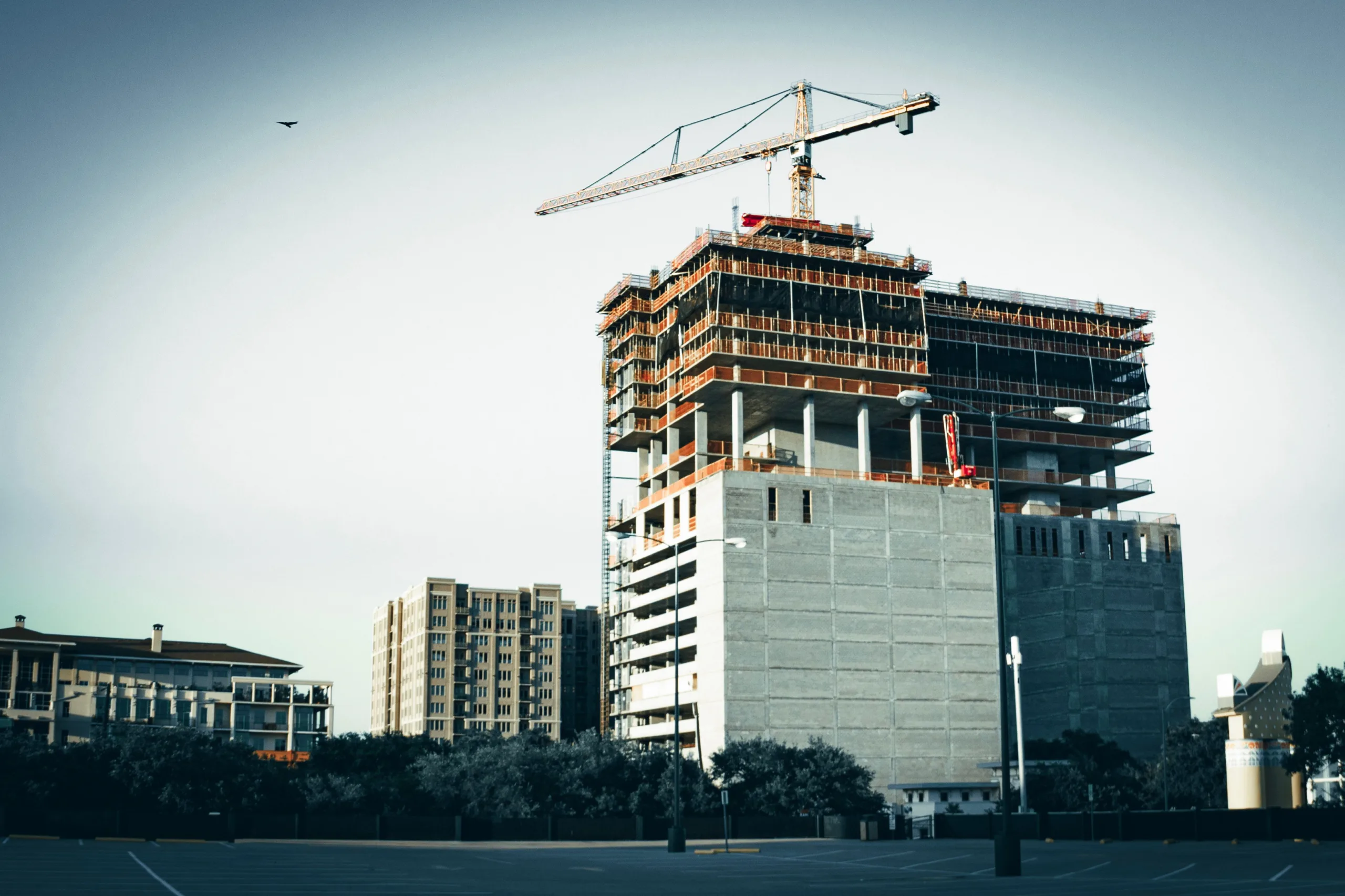
Building a data center keeps getting more expensive, according to Globe St. Construction costs have risen an average of 21% per MW since late 2024. Developers are competing for scarce power, equipment, and skilled labor.
Get Smarter about what matters in CRE
Stay ahead of trends in commercial real estate with CRE Daily – the free newsletter delivering everything you need to start your day in just 5-minutes
The Details
All-in greenfield costs now run from $8.9M to $23.3M per MW in the US and Canada. Those figures come from Cushman & Wakefield’s 2026 Data Center Development Cost Guide. That range excludes the chips and GPUs needed for AI workloads. The 21% jump since the firm’s late-2024 guide far outpaced roughly 5% general inflation. Power infrastructure is the single largest cost at 21% of a greenfield build. Core-and-shell construction and sitework add 17%, and contingencies another 16%. Despite headline land deals, site acquisition accounts for just 7%.
Equipment and Labor Squeeze Budgets
Some components are rising far faster than general materials. Switchgear costs climbed 60% between December 2021 and early 2026, per the guide. Copper rose 46%, generators and motors 33%, cooling equipment 32%, and transformers 29%. Delivery is the other problem. Pad-mounted transformers now carry lead times of 68 to 113 weeks, and generators 60 to 100 weeks. Medium-voltage switchgear runs 38 to 63 weeks. A shrinking pool of skilled trades is adding cost and stretching timelines further.
High Costs Reshape Site Selection
Labor costs vary sharply by market. Silicon Valley posted the highest pay for engineering and skilled electrical and mechanical trades. Chicago led on general construction wages.
Those gaps made Silicon Valley, Chicago, New York, Northern New Jersey, Toronto, and Los Angeles the five priciest development markets. Meanwhile, Atlanta’s record data center absorption shows how demand is expanding beyond traditional high-cost hubs. Texas markets ranked among the cheapest, helped by affordable land, labor, and deep contractor networks.
Why It Matters
The cost surge is unlikely to ease soon. Cushman & Wakefield pegs the North American pipeline at about $2.3T in investment. That includes $492B already under construction and $1.8T of planned and precommitted projects. With that much demand for power and equipment, pricing pressure looks durable. For developers, the math increasingly favors markets with cheaper inputs and available capacity.
What’s Next
Capital is already moving beyond established hubs. Developers are chasing land and power in frontier markets, where projects are cheaper to build. Cushman & Wakefield projects frontier-market spending to rise nearly sevenfold. That would take it from $91B under construction to $631B of planned and precommitted work. Expect more site selection to follow cheap power and open capacity rather than legacy clusters.