




- US apartment absorption hit 279,000 units in H1 2026, marking the second-highest total on record, per Newmark.
- Rent growth is still soft, but the pace of declines is easing, with Newmark projecting a return to positive territory by Q4 2026.
- With new construction slowing, investors face less competition, shifting the focus to market selection and timing.
Supply Wave Fades While Demand Persists
Globe St reports that US apartment demand is rebounding just as the supply pipeline loses steam, according to Newmark’s latest research. In the first half of 2026, net absorption soared to 279,000 units. That total ranks second only to the 2021 record and more than doubles the long-term average. Strong demand is helping the market absorb excess inventory from the 2022-2024 construction boom.
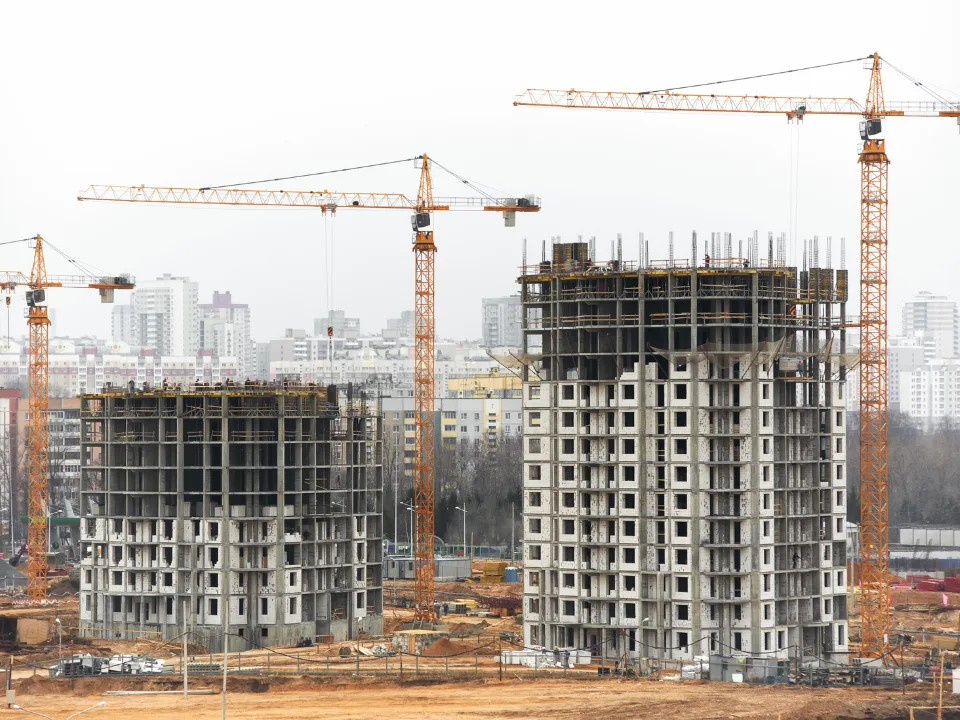
Meanwhile, developers face higher costs and tougher lending conditions, which continue to slow new construction. These trends reduce the risk of national oversupply and create a more balanced rental market. A persistent affordability gap also supports apartment demand. Newmark reports a $1,176 monthly cost difference between owning and renting, 2.7 times the historical norm. For investors, these conditions widen the window to deploy capital into stabilized assets as project starts decline.
Get Smarter about what matters in CRE
Stay ahead of trends in commercial real estate with CRE Daily – the free newsletter delivering everything you need to start your day in just 5-minutes
The Details
Apartment absorption outpaced expectations during the first half, reaching 279,000 units, according to Newmark. That figure stands 103.8% above the historical average through mid-2026. The South accounted for 50.1% of national absorption, while the West represented 25.1%. The Midwest contributed 12.5%, followed by the Northeast at 12.3%.
At the same time, multifamily inventory growth slowed to 1.6% in Q2 2026, its weakest pace since 2020. Rising costs and capital constraints continue to sideline projects, widening the gap between permits and actual starts. National rents still declined, but the quarterly drop moderated to just 0.2%. Nearly half of tracked markets returned to positive rent growth. Cincinnati, Columbus, St. Louis, and Philadelphia each recorded 65 consecutive quarters of rent gains.
Affordability Gap and Supply Crunch Reshape Dynamics
Homeownership’s growing cost premium continues to expand the renter pool. As of Q2 2026, buying remained substantially more expensive than renting. Historically, more than 60% of renters eventually purchased homes, according to Newmark. Today’s affordability challenges extend rental periods and sustain strong multifamily demand.
Meanwhile, project feasibility issues are slowing inventory growth more than weak demand. The gap between permits and starts has reached its widest level since 2010. Developers are holding permitted projects until rent growth and capital markets improve. For investors, slower development creates a more rational competitive landscape as apartment deliveries taper.
Why It Matters
For multifamily investors and operators, 2026 shows early signs of a shift toward a more balanced market. Newmark expects rent growth to turn positive by Q4 2026 after four consecutive quarters of mild declines. Already, 23 of 50 major tracked markets have returned to rent growth. Several Midwestern and Northeastern cities are leading that recovery.
Newmark also argues that stable interest rates could support CRE activity better than aggressive Fed cuts. That stability could improve underwriting visibility as multifamily investors assess new opportunities. The spread between outperforming and lagging markets now stands at 16.4 percentage points.
Capital availability is also improving. Multifamily originations increased 26% year-over-year through mid-2026, supported by tighter loan spreads and growing lender confidence. As developers shrink the pipeline, markets continue absorbing apartments delivered during the previous construction wave. That shift could strengthen pricing power for existing assets. However, conditions vary significantly by market. Investors must identify where supply backlogs remain and where demand can drive rents higher.
What’s Next
Investors should expect multifamily performance to diverge sharply across markets. Locations where new supply dries up could produce the strongest rent growth. Newmark expects rental rates to return to growth by Q4 2026. Continued absorption should outpace deliveries across many markets.
Developers will likely remain sidelined as high costs and tight capital limit new projects. Meanwhile, existing assets could benefit as the national supply overhang fades. Multifamily stakeholders must focus on timing, market selection, and local fundamentals as demand regains control.