




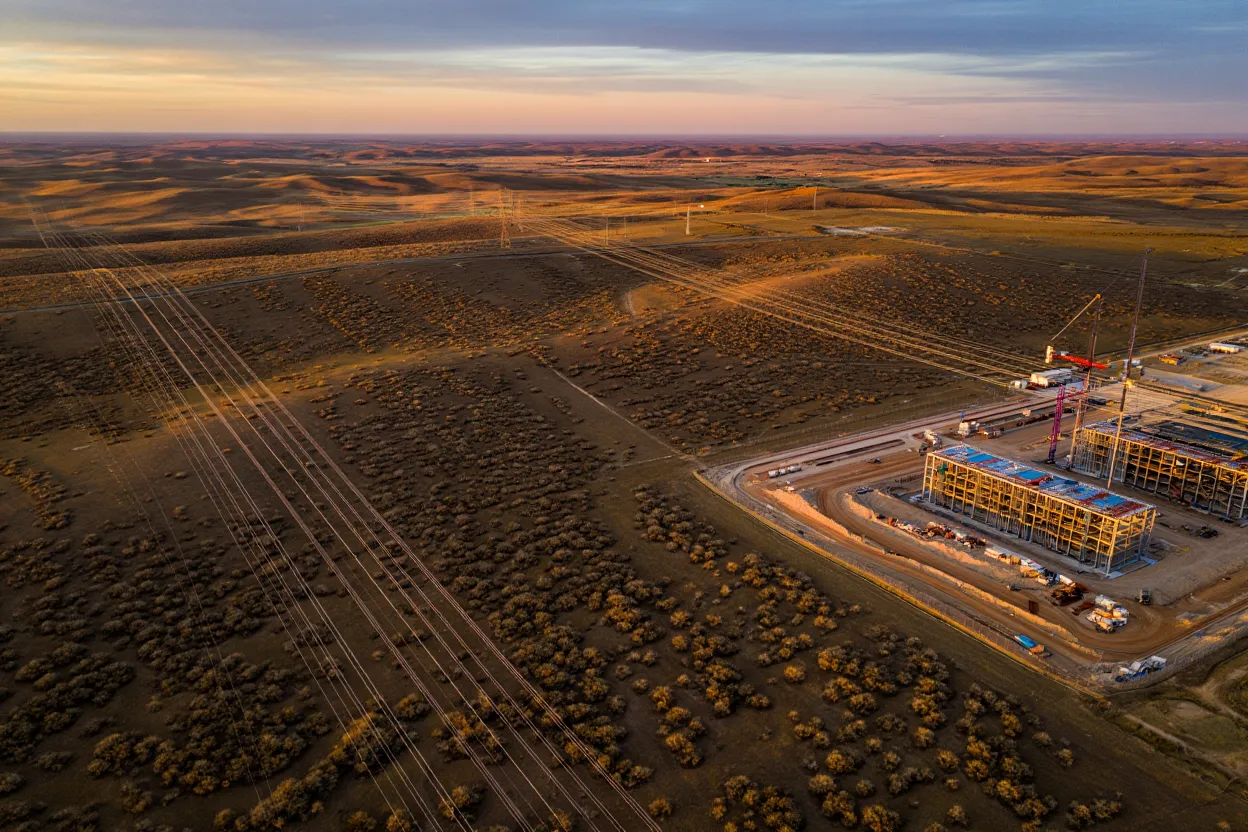
- Permian Basin landowners are courting data center developers as opposition to AI projects grows in other US regions.
- Texas Pacific Land, LandBridge, and EagleRock control over 1.4M acres and aim to supply land, water, and materials for hyperscale campuses.
- The move may mark a major shift, redirecting capital and energy infrastructure in the Permian beyond traditional oil and gas revenue.
From Oil Patch to Server Farms
According to The Wall Street Journal, major Permian Basin landowners are targeting hyperscale infrastructure as a major new growth opportunity. Texas Pacific Land, LandBridge, and EagleRock are promoting their vast West Texas and New Mexico holdings to data center developers. The push comes as AI and cloud facilities face growing community resistance nationwide. Residents from Maine to Arizona increasingly oppose projects over power and water consumption.
The Permian offers developers an attractive alternative to crowded data center markets. It has few residents, abundant natural resources, large land parcels, and relatively limited regulatory hurdles. Landowners now see opportunities to transform oil-focused assets into valuable infrastructure for the digital economy. Investors have responded quickly. Texas Pacific Land shares have gained 14% year-to-date, while LandBridge shares have climbed 56%. Institutional capital is also flowing into the region, highlighting its potential transformation.
Get Smarter about what matters in CRE
Stay ahead of trends in commercial real estate with CRE Daily – the free newsletter delivering everything you need to start your day in just 5-minutes
The Details
Texas Pacific Land, LandBridge, and EagleRock together control roughly 1.4M acres across the Permian Basin. That footprint exceeds New York City’s area by more than seven times. These companies traditionally leased land, roads, and water rights to oil and gas producers. Now, they are selling, leasing, or partnering on sites for data center development.
They also plan to supply treated brackish water, construction materials, utilities, and other critical infrastructure. Texas Pacific recently invested $50M in infrastructure developer Bolt. It also completed a $43M land deal with Chevron. That transaction connects to a Microsoft data center supported by Chevron’s dedicated gas-fired power plant. Meanwhile, LandBridge is talking with seven power and infrastructure counterparties. It is assembling fiber, substations, and utility networks to attract prospective technology tenants.
AI Drives a New Permian Land Rush
Established data center markets like Northern Virginia and Phoenix increasingly face scrutiny over environmental impacts and community concerns. The Permian offers a different development environment. It combines enormous contiguous parcels, existing energy infrastructure, and a regional population below 500,000. Large-scale land ownership is gaining wider investor attention as massive holdings create opportunities for development and long-term value creation.
Landowners also want more than one-time land sales. They are targeting recurring revenue from water, construction materials, utility royalties, and long-term leases. Technology companies need these services to build and operate hyperscale campuses.
Landowners also want more than one-time land sales. They are targeting recurring, capital-light revenue from water, construction materials, utility royalties, and long-term leases. Technology companies need these services to build and operate hyperscale campuses. Chevron’s 20-year electricity agreement supporting Microsoft’s data center provides a model for energy and technology partnerships. Meanwhile, EagleRock’s recent $320M IPO demonstrates investor appetite for diversified Permian land plays.
Why It Matters
The Permian’s data center pivot represents more than regional diversification. It could establish a new CRE model for resource-rich markets historically dominated by one industry. Texas Pacific Land generated nearly $386M from non-oil land uses during 2025, according to The Wall Street Journal. That represented about half of its annual revenue. Water and sand sales contributed significantly to those operations.
CEO Tyler Glover expects data center-related support services to become a significant revenue source. Each project could potentially generate hundreds of millions of dollars over its lifetime. LandBridge estimates a 1-gigawatt data center campus could produce tens of millions in annual free cash flow. Technology companies require enormous amounts of energy and water for AI infrastructure, and the Permian offers both resources. Energy companies can also monetize surplus natural gas and brackish water, creating potentially high-margin business lines. Pipeline constraints further encourage producers to use stranded gas locally for digital infrastructure.
What’s Next
Expect more data center announcements and joint ventures as Permian landowners assemble shovel-ready sites with essential infrastructure. LandBridge is already pursuing several campus opportunities. Texas Pacific is also investing directly in digital infrastructure platforms. Growing community opposition in traditional data center hubs could strengthen the Permian’s competitive position.
Hyperscalers including Microsoft, Poolside, and CoreWeave are already exploring opportunities across West Texas. At the same time, energy companies want new markets for resources that previously created operational challenges. The Permian’s second act could increase land valuations, diversify revenue streams, and reshape regional CRE markets. In coming years, the basin could emerge as a major national center for AI infrastructure development.