




- NYC building officials inspected 180 sites linked to the Pfizer HQ conversion team and found no hazardous structural conditions.
- Inspections followed the July collapse of two support columns at the Midtown Manhattan Pfizer office-to-residential project.
- The sweep found more violations at non-conversion sites, easing industry concerns about office-to-resi conversions’ safety record.
Fallout From the Midtown Pfizer Building Collapse
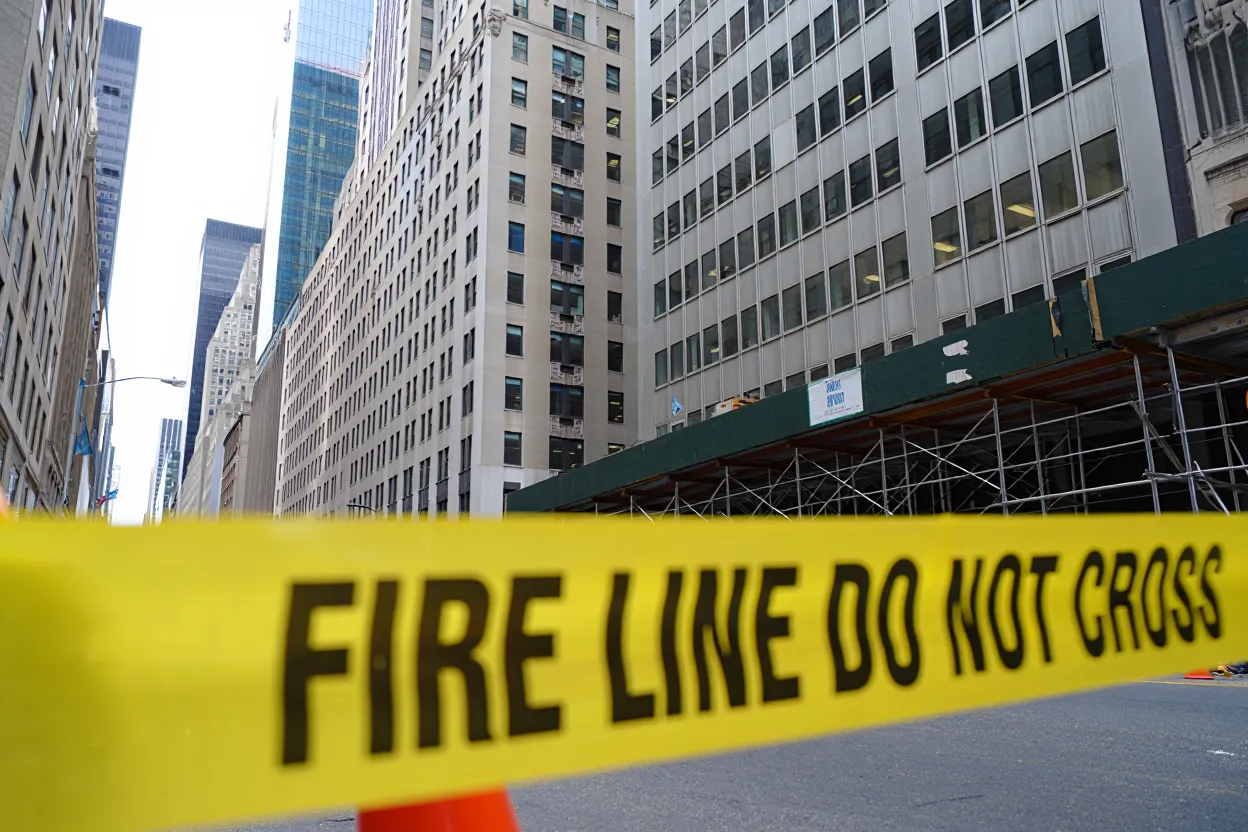
The collapse of two support columns at the former Pfizer headquarters in Midtown Manhattan last month put a spotlight on office-to-residential conversions, spurring New York City to inspect 180 related projects citywide. According to The Wall Street Journal, the Pfizer building—undergoing conversion from offices to apartments—was evacuated on July 7 after city inspectors observed buckling columns and sagging floors. The city halted work at that site and temporarily stopped construction at three other conversion projects pending further review. With adaptive reuse seen as a lifeline for vintage office stock, especially in New York, the headline-grabbing failure triggered broader safety concerns and scrutiny.
Adaptive reuse of office buildings has accelerated in major US cities, driven by high office vacancy rates and demand for housing. The Pfizer tower’s issues raised industry-wide questions about the risks involved in converting aging high-rises, particularly those with unique engineering challenges or unknown construction history. The city’s inspection campaign offers an early verdict on how widespread safety concerns should be for these projects—and provides a reality check for investors, developers, and local officials weighing more conversions.
Get Smarter About What Matters in New York
Subscribe to our free newsletter covering the biggest commercial real estate stories across the five boroughs — delivered in just 5 minutes.
The Details
NYC’s Department of Buildings reviewed 180 active construction sites tied to the team behind the Pfizer conversion: developer MetroLoft, contractor Northeast Specialist Group, Barone Steel, and Domani, a private building inspector. Twenty-four of these locations were also office-to-residential conversion projects; the remaining 156 were other types of development. The city’s review turned up no “hazardous structural issues” at any of the sites. However, officials did issue three violations at conversion sites, including one partial stop-work order for inadequate lighting—later lifted once corrected. In contrast, among the 156 non-conversion projects, the sweep yielded 62 violations and 18 stop-work orders, often for unauthorized weekend work or construction that fell out of compliance with approved drawings. Representatives for the involved firms did not issue statements to The Wall Street Journal.
Scrutiny on Office-to-Residential Conversions
Following the high-profile Pfizer site failure, industry players and city officials alike have zeroed in on the physical risks and regulatory challenges of office-to-residential conversion work. The heightened attention comes as lenders continue backing major adaptive reuse projects in Manhattan, signaling confidence in the sector despite isolated setbacks. The July collapse is not linked to an inherent problem with conversion projects, per city findings, but it has injected fresh caution into the trend.
Developers have championed conversions in New York and across markets like Chicago and San Francisco as solutions to outdated office inventory and housing shortages. But as these projects scale, incidents like Pfizer have the potential to increase insurance costs, slow permitting, and add new layers of oversight. Notably, the city’s enforcement sweep found conversion projects had a lower violation rate than non-conversion sites, suggesting that, so far, office-to-residential conversions are not disproportionately risky based on observed compliance.
Why It Matters
The inspection results are a relief for advocates of office-to-residential conversions as financial and political headwinds pressure dense urban office districts. As The Wall Street Journal notes, these projects have become a widely touted answer to high vacancy in cities such as New York, where CBRE reported office vacancy over 20% in Midtown as of Q2 2026. A structurally hazardous pattern among conversions would threaten billions in potential investment and jeopardize city-led initiatives to spur adaptive reuse. For owners and developers, the sweep’s findings now set a market precedent: robust city oversight and transparent reporting can bolster confidence in conversions—even after a headline failure.
The enforcement sweep also outlines practical compliance issues unrelated to structural hazards—such as inadequate lighting or off-hours work—helping separate high-concern headlines from routine construction management. Crucially, the Department of Buildings reaffirmed there is no evidence the Pfizer collapse was structurally systemic to the conversion process itself. While more investigation of the Pfizer building continues, the broader picture is that, with proper oversight, office-to-residential conversions are not more dangerous than standard construction types. That should help keep the pipeline moving and reduce risk premiums for well-managed projects in New York City and beyond.
What’s Next
The Department of Buildings has announced plans for additional inspection sweeps as its investigation into the Pfizer site continues. Developers pursuing conversions will likely face stricter scrutiny as the city works to reassure the public, lenders, and investors. If future sweeps reinforce this week’s results, industry players could see more stable regulatory conditions and greater clarity on compliance expectations—key for underwriting deals and managing risk in expensive, multi-year conversion projects. With conversions remaining central to New York’s urban strategy, all eyes will be on the ongoing Pfizer investigation and the city’s next rounds of enforcement.