





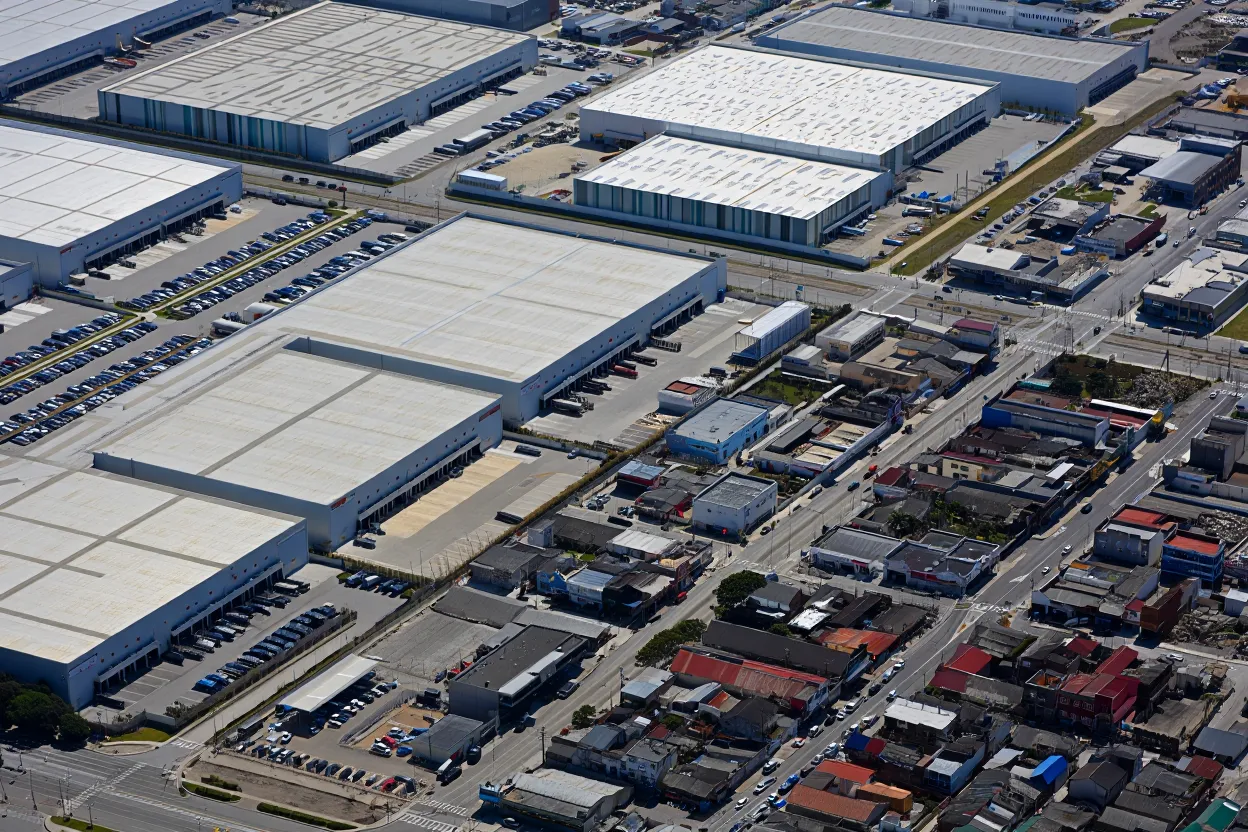
- Large logistics tenants are relocating to new, more efficient warehouses even without expanding their footprints.
- Small occupiers are sticking to older, infill properties near customers, tightening occupancy despite broader market shifts.
- Vacancy, pricing power and risk now hinge on asset vintage and tenant size, reshaping logistics investment strategy.
A Market Divides by Size and Strategy
Logistics leasing is splitting along clear lines, according to GlobeSt.com, citing new CoStar research. Large tenants leasing more than 100K SF now favor newer, more efficient facilities. They want higher clear heights, better automation, and stronger building performance. Many keep their footprints flat while improving operations.
Smaller local users take a different approach. They prioritize location and customer access over modern features. As a result, they stay in older infill properties within dense commercial corridors. This shift centers on efficiency, not expansion. It is also changing vacancy trends, inventory turnover, and investor expectations.
More than 60% of bulk logistics absorption over the past year went to buildings with 40-foot clear heights. Meanwhile, the average age of leased facilities has fallen. That marks an unusual change in a sector where inventory evolves slowly. For large occupiers, efficiency has replaced scale as the competitive advantage.
Get Smarter about what matters in CRE
Stay ahead of trends in commercial real estate with CRE Daily – the free newsletter delivering everything you need to start your day in just 5-minutes
The Details
CoStar found logistics lease renewals have dropped sharply since 2022, especially among larger tenants. However, new leasing reached a multi-year high. Demand shifted between markets instead of growing overall. Large users now favor shorter leases, smaller footprints, and advanced facilities.
Small tenants continue to anchor older buildings in dense commercial areas. CoStar says these small-bay properties sit within twice the commercial density of newer developments. That gives them lower transportation costs and faster service times. As local businesses slow expansion, these assets maintain stable occupancy. Still, some newer small-bay properties now report rising availability.
Vacancy Splits: Tampa, Long Island, Oklahoma City
Regional markets show different patterns. Tampa added significant new supply after rents climbed 50% over five years. Vacancy reached 8.4%, its highest level in 15 years. Both large warehouses and small-bay properties lost occupancy. As a result, tenants upgraded to newer buildings without expanding.
Long Island posted above-average leasing in early 2026 through smaller deals. However, several large tenants left older facilities. That pushed availability in newly delivered buildings close to 50%.
Oklahoma City tells a different story. A modest 550K SF pipeline and a diverse tenant base support balanced fundamentals. Energy, manufacturing, and technology firms continue to drive demand. Only 10 buildings offer more than 100K SF of available space, keeping supply tight.
Why It Matters
Tenant preferences now shape logistics investment strategies. CoStar says large occupiers almost exclusively absorb modern facilities. They seek automation, cross-dock layouts, and energy efficiency instead of geographic expansion.
Older infill properties remain resilient. Small tenants continue to value proximity over premium features. At the same time, obsolete buildings face demolition, making remaining infill assets even scarcer. That trend mirrors broader industrial repositioning, where owners increasingly repurpose aging properties instead of replacing them outright.
Investors now face wider differences in risk and returns. Well-located small-bay assets benefit from stable tenants and resilient pricing. Older large-format buildings face rising risks from outdated layouts and aging infrastructure. Juan Arias of CoStar says this divide has become the strongest since 2012. National vacancy sits at a 12-year high, although several submarkets remain much tighter.
What’s Next
This market split will likely continue as economic uncertainty limits expansion. Large occupiers will keep choosing modern facilities with better automation and higher clear heights. They will pursue operational efficiency instead of larger footprints.
Meanwhile, local businesses will continue occupying older infill properties. Demolition will reduce available supply and strengthen their value for urban logistics and last-mile delivery. Investors should evaluate assets by tenant fit, building quality, and market conditions. Geography alone will no longer determine pricing power or investment risk.