



- International purchases of US existing homes dropped 14% in volume and 19% in dollar value in the past year.
- Luxury homebuilders like Toll Brothers still attract affluent foreign buyers, especially in markets like Irvine, CA.
- The decline is sharpest among highly skilled H-1B visa holders, while Canadians now lead in the share of foreign US homebuyers.
Broader Pullback Hits US Residential Markets
Foreign investment in US residential real estate continues to slow. International buyers purchased 67,100 existing homes between April 2025 and March 2026. That marks the second-lowest total since the National Association of Realtors began tracking the data in 2009. CNBC reported that both transaction volume and dollar volume fell sharply from the previous year. The median purchase price reached $465,000.
The slowdown comes despite a slightly weaker US dollar, which should have improved foreign buyers’ purchasing power. Instead, fewer international visitors and tourists weighed on demand. NAR Chief Economist Lawrence Yun said policy and travel trends now matter more than pricing or exchange rates. As a result, international participation remains near historic lows across US housing markets.
Get Smarter about what matters in CRE
Stay ahead of trends in commercial real estate with CRE Daily – the free newsletter delivering everything you need to start your day in just 5-minutes
The Details
NAR data shows foreign buyers purchased 14% fewer existing homes year over year. Dollar volume dropped 19%. Total purchases fell to 67,100 homes, marking the second-weakest year on record. Mexican and Canadian buyers surpassed Chinese buyers by transaction count. However, Chinese buyers still led luxury spending.
Canadians accounted for 16% of all international purchases. Meanwhile, buyers using H-1B and similar visas posted the steepest decline. Tech-heavy markets felt the biggest impact as fewer skilled workers entered the market.
Most NAR data excludes newly built homes because those transactions remain harder to verify. However, John Burns Research & Consulting sees a different trend in new construction. Foreign demand remains healthy for luxury developments, especially in California.
Luxury Segment Defies International Downturn
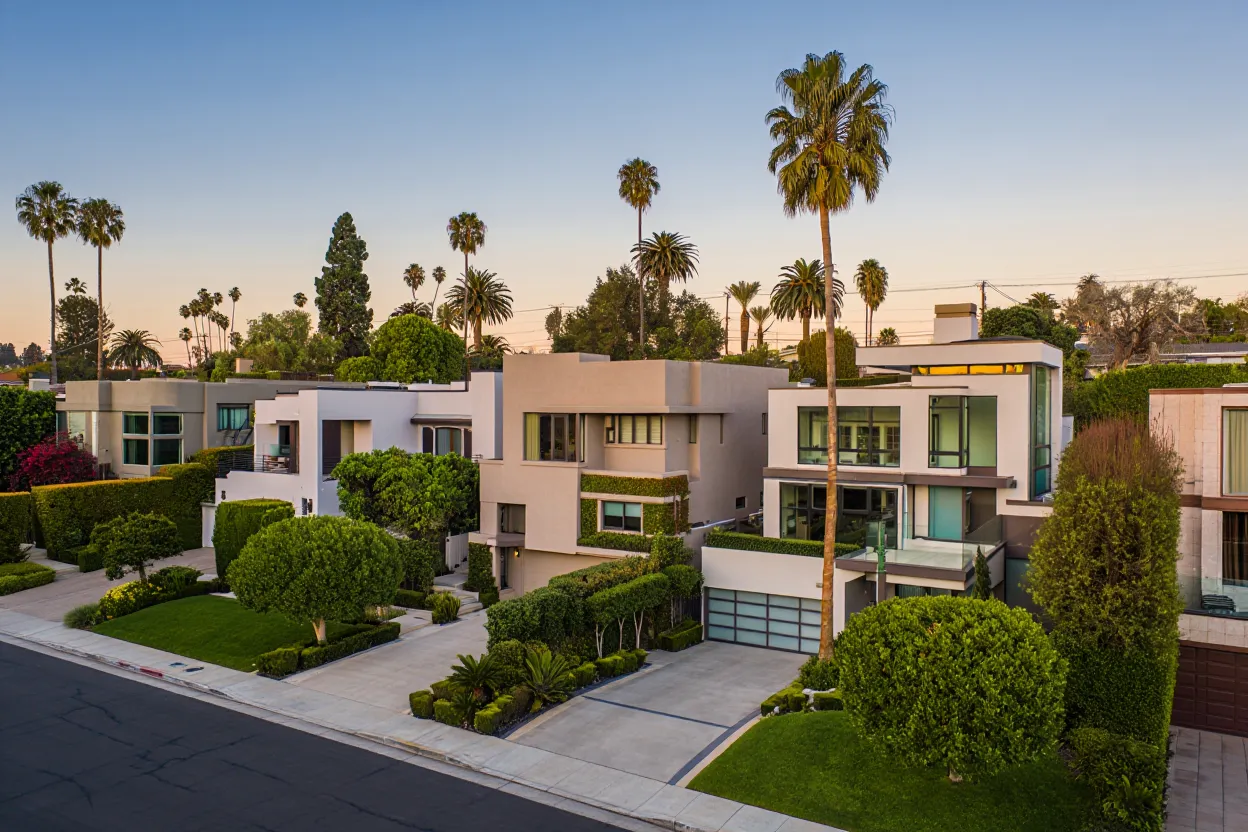
Luxury housing continues to outperform the broader market. John Burns Research & Consulting reports strong demand from wealthy overseas buyers in communities such as Irvine, California. Chinese buyers remain especially active. Many purchase new homes with cash, while builders market premium communities directly to international clients. This resilience contrasts with weaker activity in other markets, where investor purchases recently fell to their lowest spring level since 2020.
Toll Brothers continues to lead this segment. The company often customizes model homes to match the preferences of specific international buyers. This strategy helps sustain luxury demand despite weaker activity across the broader market.
The divide reflects different buyer motivations. Wealthy investors and residency seekers respond differently to economic and policy changes than skilled workers. By contrast, immigration policy directly affects H-1B buyers, reducing both demand and confidence in tech-focused housing markets.
Why It Matters
The decline in foreign buyers reflects broader pressure on cross-border real estate investment. International buyers purchased only 67,100 homes during the latest reporting period. Demand from H-1B visa holders weakened the most, affecting tech-driven metros where those buyers have supported premium housing demand.
However, luxury builders continue to find opportunities. Developers in Southern California and other gateway markets market directly to wealthy international buyers. Chinese buyers, in particular, still view high-end US real estate as a long-term store of value. They remain less sensitive to short-term policy changes and market volatility.
Buyer preferences also continue to shift. Canadians now lead by transaction volume, while Mexican buyers have gained market share. Chinese buyers still spend the most in luxury markets despite completing fewer transactions. Builders that adapt to these changing buyer profiles could maintain an advantage.
What’s Next
Several challenges will likely continue limiting foreign demand. Currency uncertainty, tighter immigration policies, and changing global travel patterns remain key obstacles. Still, luxury-focused builders such as Toll Brothers will likely continue targeting affluent international buyers through specialized marketing and premium amenities.
Florida should remain the top destination for foreign buyers because of its climate and lifestyle. California and other luxury gateway markets should also retain selective strength. Future changes to US visa programs and investment rules could reshape both the size and composition of foreign real estate investment.