



- A $506M securitized loan backed by 53 New York City apartment buildings is facing projected losses after the borrower defaulted in 2024.
- The portfolio includes more than 3,500 units across four boroughs, with valuation falling from about $717M in 2021 to $460M, according to KBRA.
- The situation highlights growing concerns around rent-regulated housing assets as policy changes pressure multifamily valuations and CMBS credit quality.
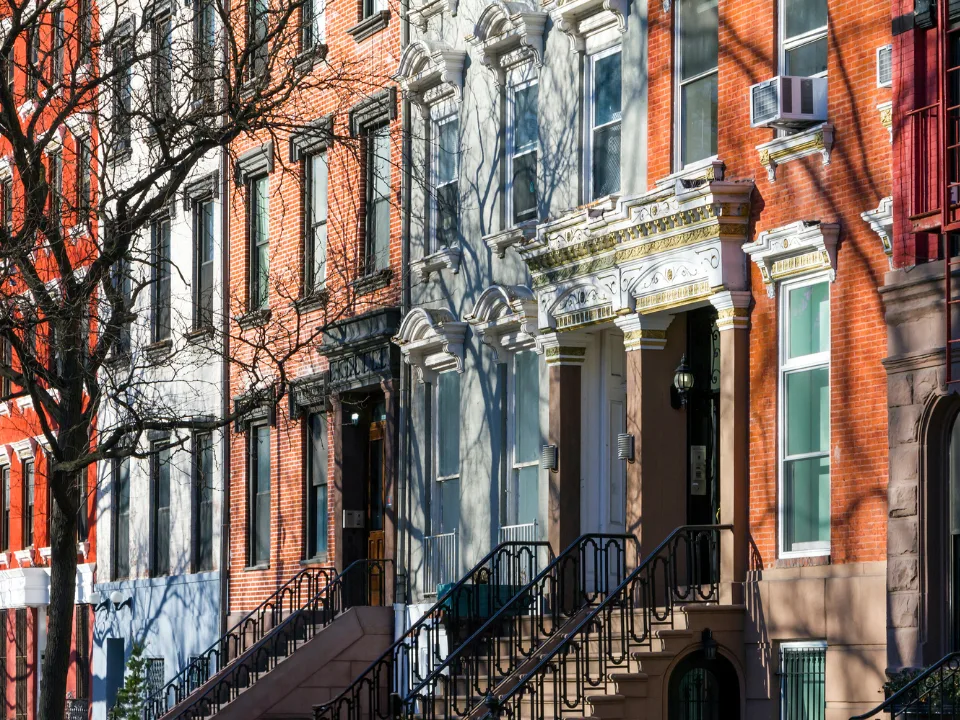
The NYC CMBS loan backed by A&E Real Estate’s 53-building apartment portfolio is facing deeper losses as a potential rent freeze adds pressure to already strained property economics, as indicated by Bisnow. The portfolio, which includes more than 3,500 apartments across Manhattan, Brooklyn, Queens and the Bronx, has accumulated millions in unpaid interest since the borrower defaulted.
Get Smarter About What Matters in New York
Subscribe to our free newsletter covering the biggest commercial real estate stories across the five boroughs — delivered in just 5 minutes.
A stressed multifamily portfolio
A&E Real Estate defaulted on the mortgage when it matured in June 2024. The collateral is 86% rent-stabilized, leaving the properties exposed to limited rent growth while expenses continue to rise.
The loan was originated by JPMorgan Chase in 2021 when the portfolio carried an estimated value of $717M, according to KBRA’s CMBS presale analysis. KBRA analysts now estimate the portfolio’s value at $460M, and bondholders are projected to absorb more than $80M in losses.
The details
The collateral includes Riverton Square, a 12-building East Harlem complex with more than 1,200 units, along with La Mesa Verde in Queens and Queens Boulevard Apartments. The portfolio has generated only 58 cents for every dollar of debt payments, while unpaid interest has exceeded $5.5M.
Operating performance has also deteriorated. Expenses were running about 22% above initial projections on an annualized basis, while revenue had increased only 6%. The borrower also faces $93.7M in mezzanine debt, according to KBRA’s CMBS report.
Rent regulation adds pressure
New York City’s Rent Guidelines Board approved a rent freeze in June 2026 that is scheduled to begin in October, though landlords have challenged the decision in court. The freeze would affect one- and two-year leases and add to restrictions created by the Housing Stability and Tenant Protection Act of 2019.
The 2019 law limited landlords’ ability to raise rents and remove units from stabilization, contributing to valuation declines across some regulated apartment assets. A&E is also dealing with regulatory scrutiny; The company reached a $2.1M settlement with New York City related to more than 4,000 building condition violations across 14 properties.
Why it matters
The portfolio’s challenges illustrate the pressure facing owners of rent-stabilized multifamily assets in New York, where revenue growth is constrained while costs remain elevated. Fitch Ratings reported in 2026 that near-term systemic CMBS risk remains modest, but credit risks are expected to increase over the medium and long term.
For lenders and investors, the deal underscores the importance of underwriting policy risk alongside traditional property fundamentals. Rent restrictions, expense inflation and refinancing challenges are creating a tougher environment for older multifamily portfolios with limited income flexibility.
What’s next
The outcome of the rent freeze lawsuit will be a key factor for owners and lenders watching New York multifamily assets. A&E and its creditors are still working through the foreclosure process, while investors will continue monitoring whether city-backed support programs can offset revenue pressure.
Fitch Ratings noted in its 2026 analysis that proposed mitigation efforts may not fully counteract the impact of frozen revenue, though the firm could revise its assessment as programs develop. The final resolution of the A&E loan will likely serve as another data point for CMBS investors evaluating regulated housing exposure in major U.S. markets.