


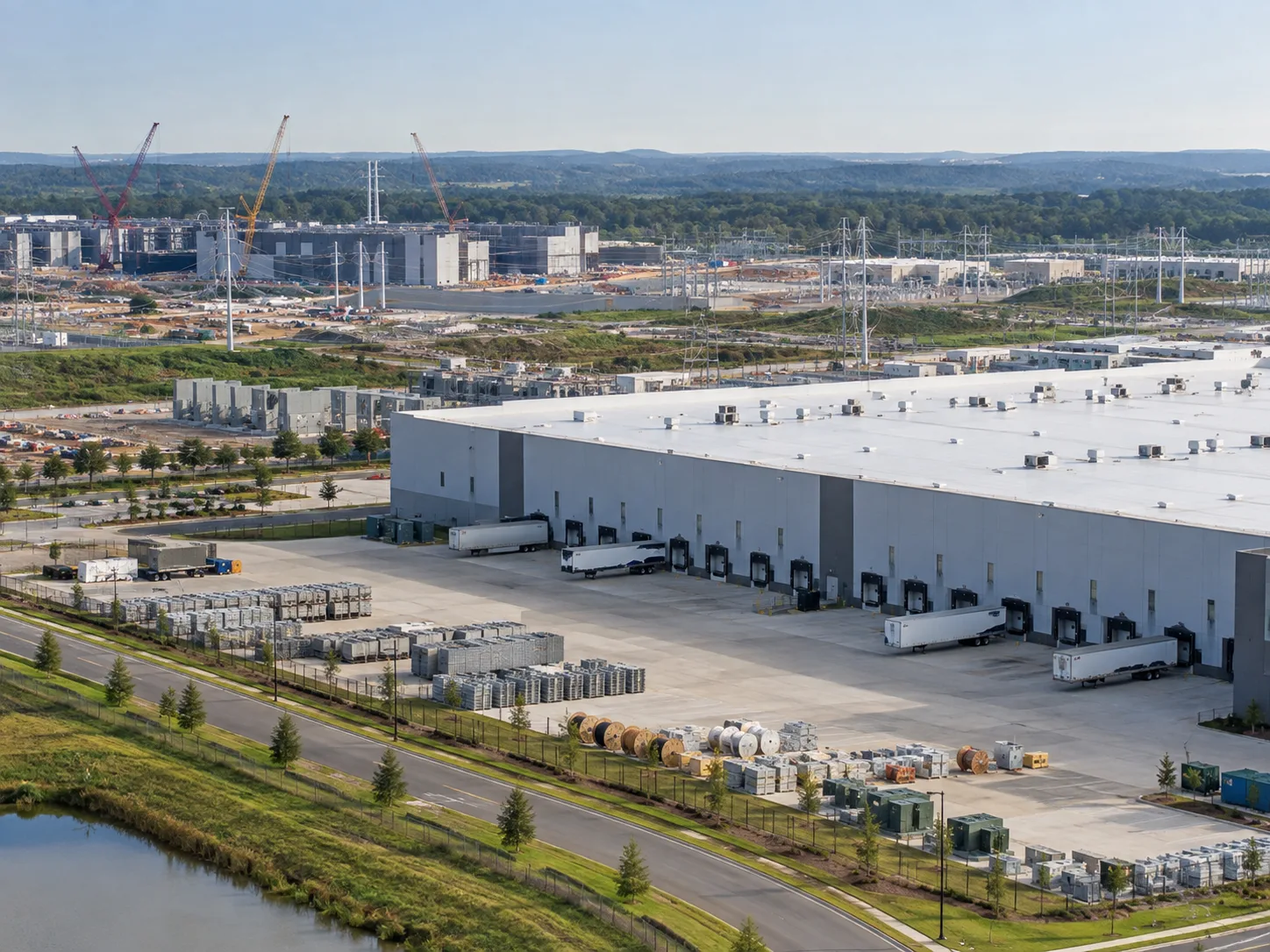

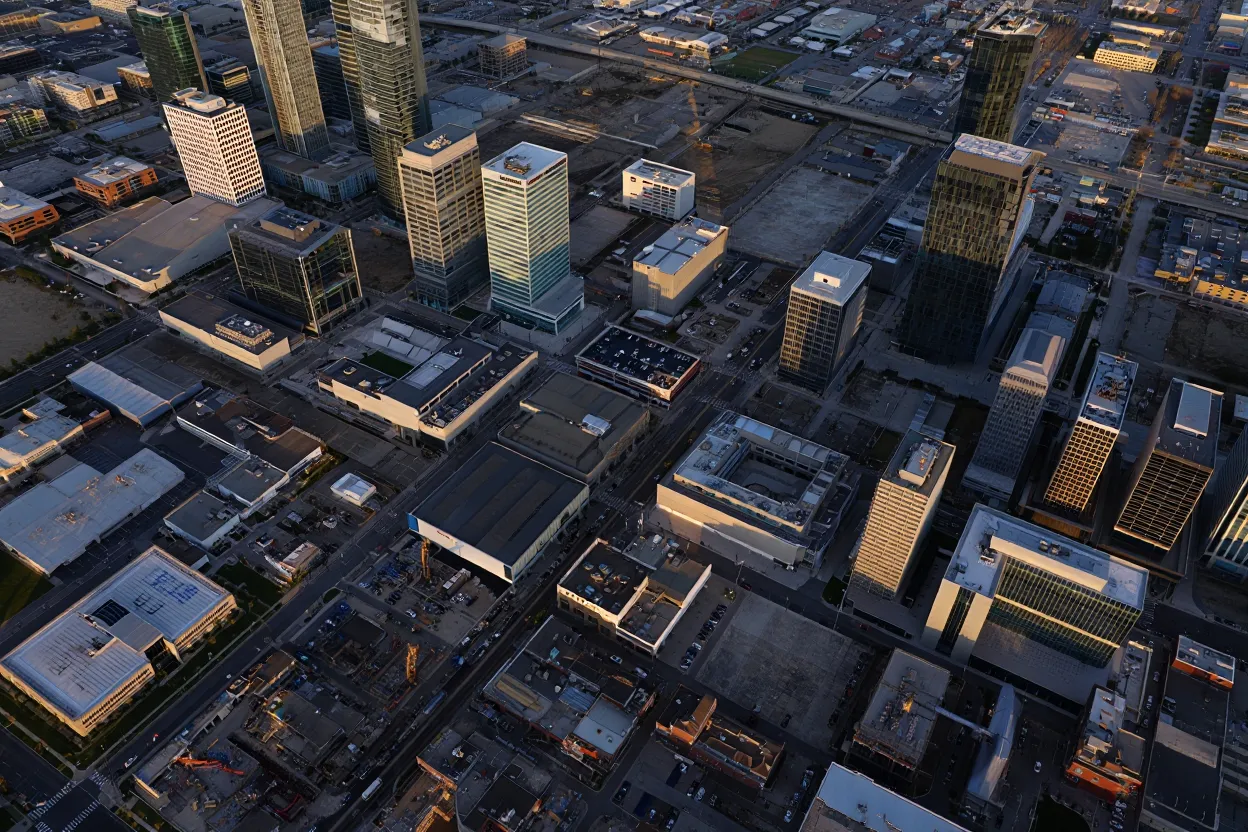
- US office leasing volume reached a new post-pandemic peak in Q2 2026, per JLL, with net absorption over 30M SF in the trailing year.
- Construction activity remains depressed while landlords of top-tier properties push rents higher as supply tightens sharply.
- Demand from technology, aerospace, legal, and gateway markets signals a shift to landlord-favorable dynamics, but much of the market lags amid high vacancies.
Momentum Returns to US Office Leasing
US office leasing is gaining momentum as tenants return to the market. JLL’s Q2 2026 report shows leasing reached a new post-pandemic record. Trailing 12-month activity stands 27% above the previous five-year average. Technology, aerospace, and legal tenants are driving much of the recovery. High-end buildings continue to capture the strongest demand.
Direct vacancy is also falling after years of increases. Overall availability declined for the eighth consecutive quarter, although it remains historically elevated. JLL reports 30.7M SF of net absorption over the past 12 months. Leasing reached 55.1M SF during Q2 alone. However, limited development is strengthening rent growth for new, high-quality assets.
Get Smarter about what matters in CRE
Stay ahead of trends in commercial real estate with CRE Daily – the free newsletter delivering everything you need to start your day in just 5-minutes
The End of the Tenant’s Market as Supply Pressure Builds
The recovery becomes clearer when looking at the limited development pipeline. Only 23M SF remains under construction across 4.7B SF of US inventory. Completions have averaged under 2M SF per quarter during 2026, according to JLL. That pace equals roughly one-third of 2025 levels. Meanwhile, inventory removals have outpaced new supply by seven-to-one this year.
This pipeline contraction gives landlords with trophy and newer buildings greater pricing power. JLL recorded annual effective rent growth above 20% for new construction leases. High-end rents exceeding $100 PSF also reached record levels. Vacancy fell 60 basis points quarter-over-quarter. Availability now stands more than 10% below pandemic peaks.
Rent Growth Concentrated at the Top
National asking rents increased 2.6% annually to $40.27 PSF. Trophy and Class A asking rents reached $45.87 PSF. Effective rents for new leases increased more than 10% annually, according to JLL. Tenant improvement allowances also climbed 8%, reaching an average of $107 PSF. Competition remains strongest for limited high-quality space.
New York and San Francisco leasing has recovered above 90% of pre-pandemic peaks. Manhattan has reinforced that recovery, with office leasing recently reaching new post-pandemic highs. Atlanta, Dallas, Charlotte, and South Florida have also surpassed previous leasing highs. Chicago, Washington, and LA remain below earlier highs and continue posting negative net absorption. Meanwhile, terms exceeding 10 years now represent 57% of new leasing activity.
Why It Matters
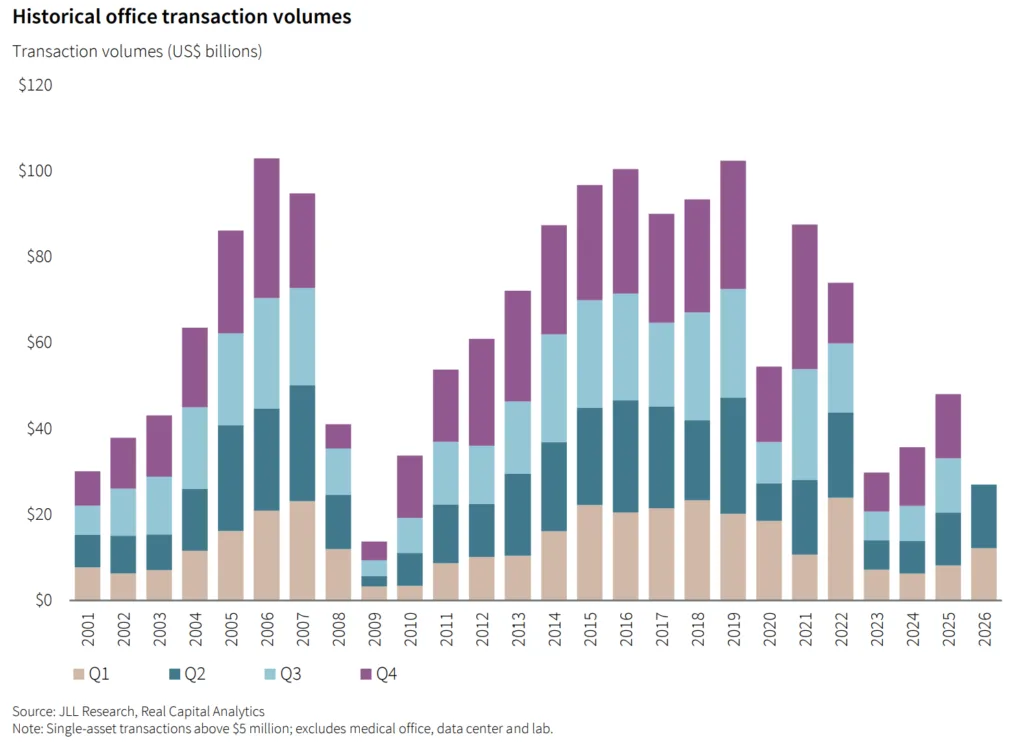
The Q2 2026 shift represents an important inflection point for office investors and operators. Net absorption reached 30.7M SF over 12 months. JLL also recorded eight consecutive quarters of declining availability. Vacancy dropped another 60 basis points during the quarter. Single-asset office sales reached $27B during H1 2026. That represents a 32% increase from 2025.
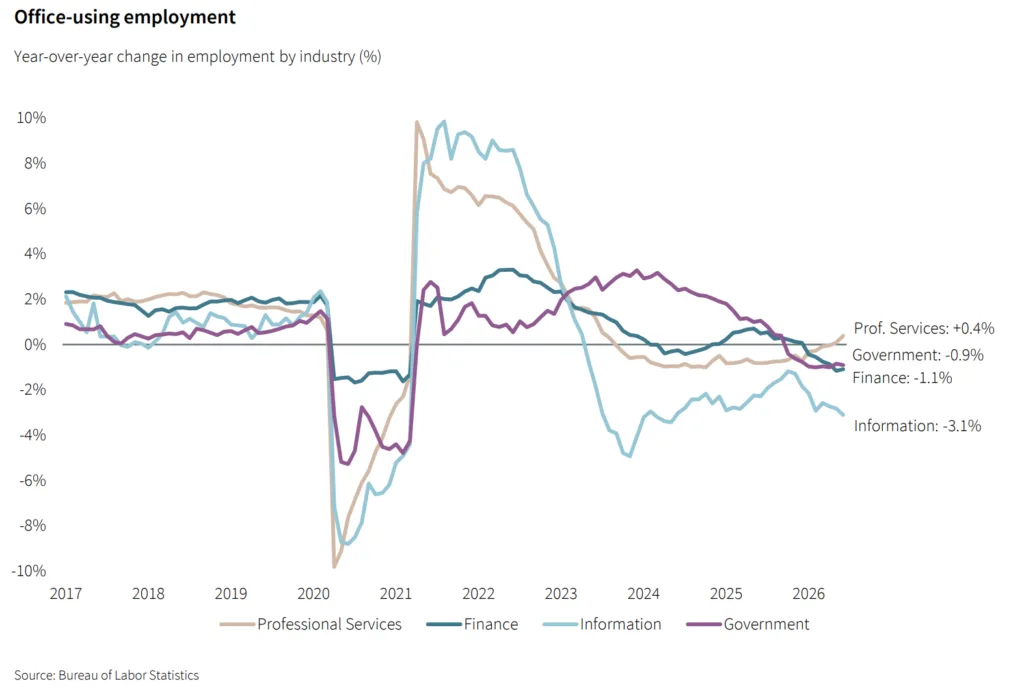
However, limited supply creates sharply different outcomes across the office market. Trophy buildings can achieve double-digit effective rent growth. Older assets often require larger concessions or potential conversions. Professional services and government employment have improved, while finance and information continue to lag. Office lending originations increased 36% annually during H1, but high capital costs remain challenging.
What’s Next
Rent growth and occupancy gains should remain concentrated among high-quality, well-located buildings. Tenants continue competing for a limited supply of first-generation space. JLL expects development to remain weak until capital costs decline by at least 100 basis points. That outcome partly depends on the Fed’s rate decisions during the second half.
Meanwhile, renovations, conversions, and recapitalizations should drive most inventory changes. Trophy asset pricing could see further upside as supply remains constrained. Leasing momentum should remain positive through early 2027. However, weaker submarkets and obsolete properties will likely continue trailing market leaders.