




- GLP-1 medications are altering US shopping habits, cutting snack spending and boosting wellness-related retail activity.
- Fitness, fresh food, and athleisure retailers are seeing increased foot traffic and sales as consumers refocus on health.
- Landlords and retailers are adapting to demand shifts, reflecting broader changes in size curves, inventory, and leasing activity.
Weight Loss Drugs Upend Retail Spending Patterns
According to the Commercial Observer, GLP-1 medications like Ozempic and Wegovy are reshaping consumer spending across US retail. By July 2026, 11% of US adults used these drugs. That equals roughly one in eight people. Gallup reported just 3% used them in 2024.
Millions now eat fewer calories, make healthier choices, and change long-standing shopping habits.
Retailers, gyms, and shopping center owners already see the impact. Foot traffic and category performance continue to shift. A December 2025 Journal of Marketing Research study found GLP-1 users cut grocery spending 5.3% within six months. Higher-income households reduced spending 8%. Snack and sweet purchases fell even more.
Meanwhile, fitness, wellness, and athleisure brands post some of their strongest results in years. Fast-food and snack brands are lowering forecasts or closing locations.
Get Smarter about what matters in CRE
Stay ahead of trends in commercial real estate with CRE Daily – the free newsletter delivering everything you need to start your day in just 5-minutes
Healthier Habits Reshape Demand
GLP-1 adoption reflects a broader wellness movement. However, it stands out because data clearly show its retail impact. An April 2026 McKinsey & Company report found GLP-1 users cut spending on savory snacks by 11.5%. They also reduced bakery treats by 8.5%, dressings and oils by 7.4%, cheese by 7.2%, and cookies by 7%.
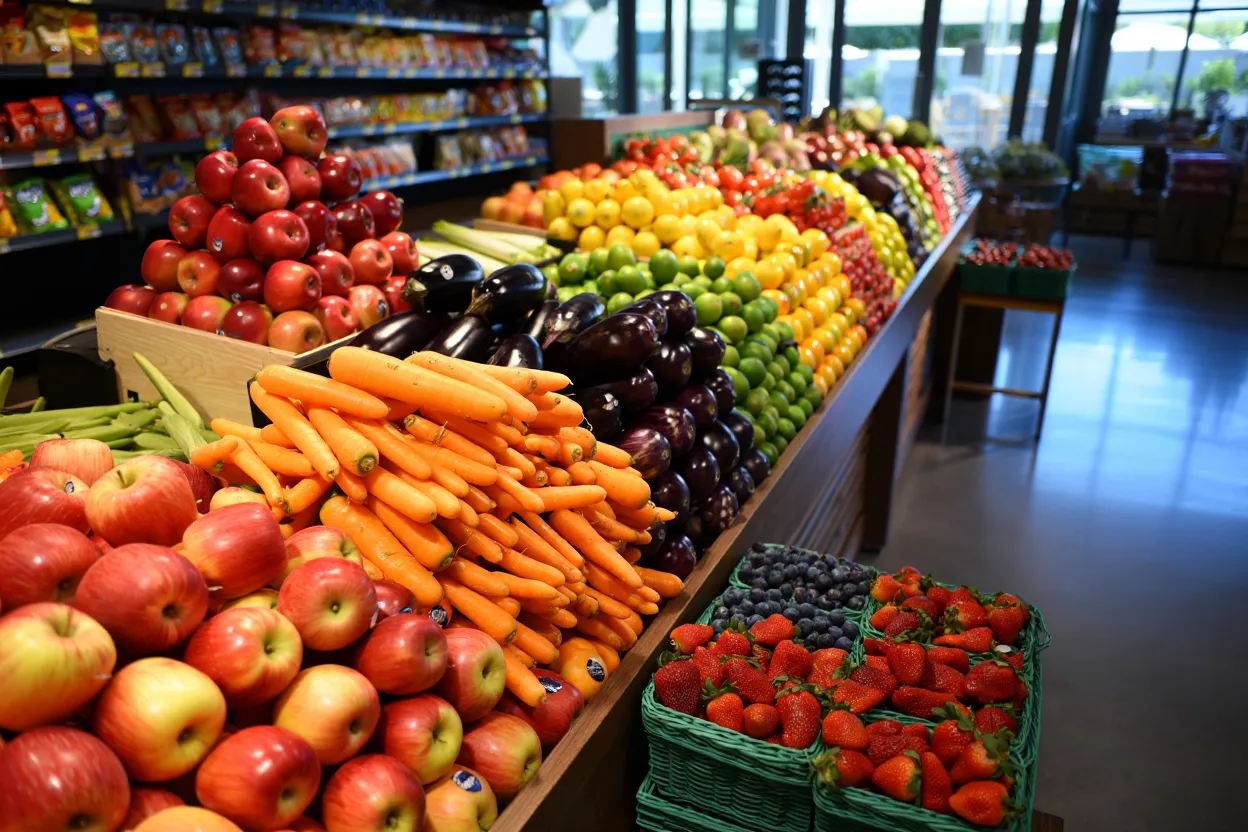
Only a few categories posted gains. Produce, yogurt, and meat snacks recorded modest spending increases.
Sales data reinforce these trends. J.M. Smucker’s snack division, which owns Hostess, reported lower sales in six of seven quarters. Placer.ai found fresh-format grocers increased their grocery foot traffic share to 7.3% in Q1 2026. That figure stood at 6.3% in Q1 2022. The customer base also broadened across income levels.
Traditional fast-food chains continue to lose momentum. Meanwhile, gyms capture a larger share of visits. Wellness-focused restaurants now offer smaller, personalized meals for GLP-1 users.
Fitness and Wellness Leasing Accelerates
The fitness sector continues to outperform despite economic uncertainty. Gym visits usually decline during slowdowns. Instead, Placer.ai found monthly gym regulars increased two percentage points between early 2023 and early 2026. That trend narrowed historical attrition.
Newmark reported a 40% year-over-year increase in Manhattan fitness and wellness leases during Q4 2025. Landlords continue attracting boutique wellness, med spa, recovery, and fitness tenants. This shift also reflects a broader leasing trend, as service-oriented tenants increasingly replace traditional retailers across shopping centers. Meanwhile, casual dining and fast-food chains continue shrinking. Red Lobster, Hooters, and TGI Fridays all reduced their footprints.
Restaurants also continue adapting. Many now offer mini or Ozempic menus with smaller, protein-rich portions. Matter’s nutrition platform lets diners customize meals around their macro targets. These concepts reflect a more deliberate, data-driven approach to eating.
Shifting Category Performance and Consumer Confidence
Apparel demand continues rising as GLP-1 users lose weight and replace wardrobes. Circana reported in March 2026 that 80% expected wardrobe changes. Another 55% had already purchased new clothing.
Size preferences are also changing. Smaller bra sizes now gain share while larger sizes lose ground. Brands must adjust inventory planning and fit strategies.
Macerich, which owns about 41M SF across 39 shopping centers, reported strong sales from athleisure, fitness, and wellness tenants. Alo, Athleta, and Vuori continue outperforming.
Jamie Bourbeau, senior VP at Macerich, said higher consumer confidence encourages more shopping and stronger conversion. Weight loss and wellness continue reinforcing spending habits. As a result, landlords increasingly favor health-focused tenants.
Broader market data support that strategy. Newmark reported Q1 2026 fitness center traffic rose 27% from Q1 2019. Grocery traffic increased nearly 13%. Fast-food traffic grew only 1.5%, despite more locations.
Why It Matters
Rapid GLP-1 adoption represents a structural shift in US consumer behavior. Commercial real estate will feel the effects across leasing, merchandising, and space planning. Landlords that prioritize health, wellness, and athleisure tenants continue outperforming peers.
Newmark’s Q4 2025 Manhattan retail report found fitness and wellness leases increased 40% year over year. The trend now extends beyond New York into suburban centers, lifestyle projects, and urban infill developments.
The shift also challenges traditional views of discretionary spending. Consumers now protect health-related spending during weaker economic periods. Medical treatments continue reinforcing healthier lifestyles.
That creates opportunities for fitness chains, wellness providers, and technology-driven dining concepts. Meanwhile, snack brands, fast-food chains, and indulgent retailers face tighter margins. Circana and McKinsey found these shifts affect SKU planning and apparel size curves. Both landlords and tenants now face new winners and losers.
Owners with aging food and beverage tenants can improve performance by adding health and wellness concepts. That strategy offers stronger demand and rent growth while these lifestyle changes continue.
What’s Next
Institutional and regional landlords already adjust leasing strategies to match changing demand. Many now prioritize fitness, healthy dining, and wellness tenants.
As GLP-1 adoption grows, retail CMBS investors and REITs will watch tenant credit, traffic, and category performance more closely. Apparel brands must continue adjusting inventory and sizing strategies. Food retailers and developers will redesign space for healthier, high-protein, and technology-enabled concepts.
This structural shift will likely reshape retail for years. Traditional QSRs face mounting pressure. Meanwhile, health-focused landlords and operators continue gaining momentum.