





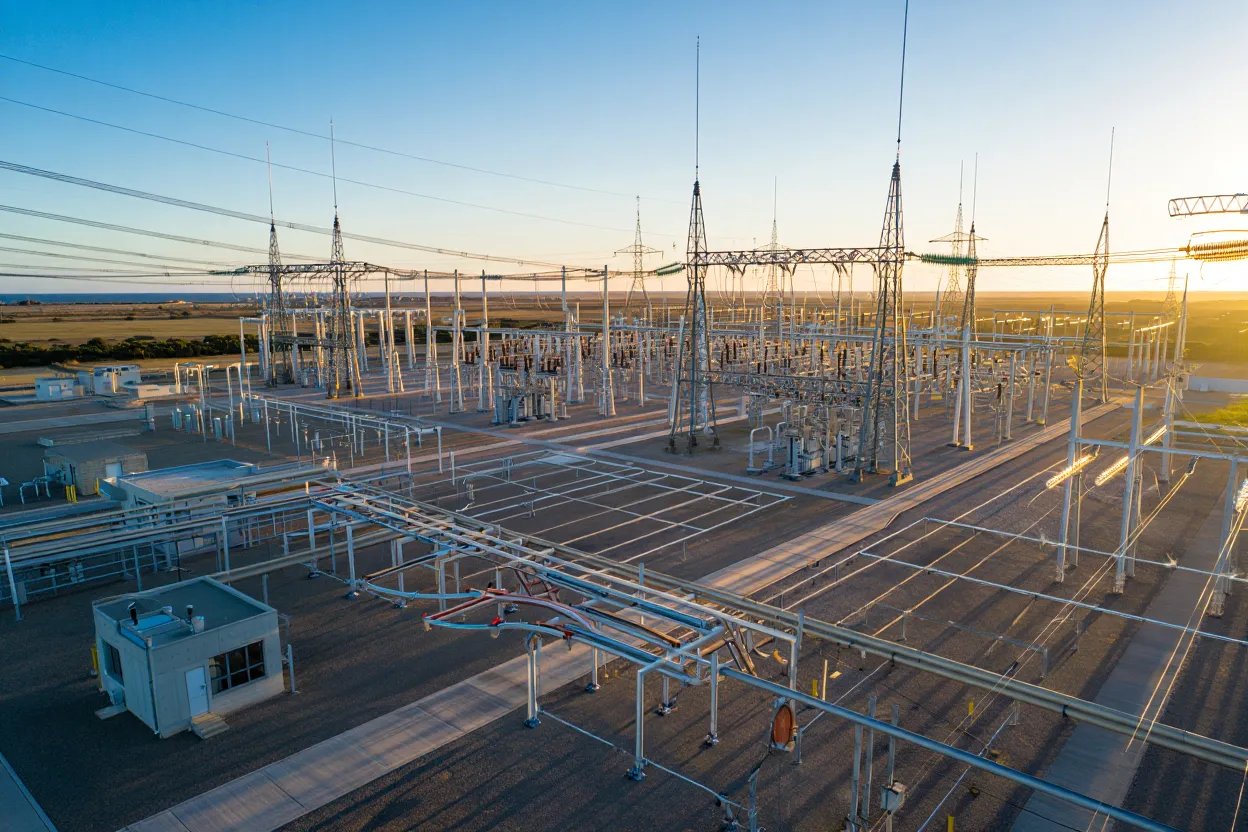



- A Blackstone-led consortium is investing $5.34B in Williams’ five Power Innovation projects.
- Williams retains a 51% stake and operational control, while Blackstone, Apollo, and KKR’s vehicles will collectively hold a 49% noncontrolling interest.
- The deal targets critical infrastructure supporting AI-driven power demand, reflecting rising investor interest in energy assets.
Private Equity Targets Energy Infrastructure Expansion
Williams, a major US energy infrastructure operator, announced it has secured a $5.34B funding commitment from a Blackstone-led investor group, according to ConnectCRE. The deal, which includes Apollo and KKR, centers on five behind-the-meter Power Innovation projects. These projects, named Socrates, Apollo, Aquila, Socrates the Younger, and Neo, are designed to support growing industrial power demand—including energy-intensive applications like AI data centers. Williams will maintain a 51% controlling interest and operational oversight.
This type of deal is part of a broader trend of private equity and institutional capital flowing into critical infrastructure assets, especially as new power requirements outpace historical averages due to AI and data infrastructure needs. According to the International Energy Agency, global data center electricity demand could double by 2026 from 2022 levels.
Get Smarter about what matters in CRE
Stay ahead of trends in commercial real estate with CRE Daily – the free newsletter delivering everything you need to start your day in just 5-minutes
The Details
The financing package breaks down into approximately $4.4B to cover 49% of expected growth capital expenditures across the projects and a further $0.9B in direct consideration to Williams. Blackstone and its co-investors, through their credit and insurance strategies, will collectively hold a 49% noncontrolling equity stake. Williams will retain full commercial and operational control, allowing it to steer project development and eventual operations, while the institutional group secures exposure to a large-scale expansion of energy infrastructure.
The structure also aligns with Apollo’s broader push into digital infrastructure tied to surging AI-related power demand. Citi advised Williams, with Davis Polk & Wardwell providing legal counsel, while Morgan Stanley and Kirkland & Ellis advised Blackstone.
AI Infrastructure Spurs New Investment Models
The investment highlights how rising AI adoption is transforming fundamentals in the energy sector. While utilities and traditional energy midstream companies have long advanced large-scale projects, the scale and urgency created by data center and AI needs have accelerated private capital involvement.
According to Commercial Observer, data center power requirements have grown almost 30% annually in some US markets. Private equity’s increasing willingness to take noncontrolling stakes—rather than full buyouts—shows a shift toward partnership models that preserve operator expertise while scaling capital deployment. The Williams-Blackstone structure provides a blueprint for future deals.
Why It Matters
This $5.34B investment comes as institutional capital floods energy infrastructure, pushed by rising demand for grid reliability and massive new power loads from AI and cloud computing. With US data center power usage projected to reach nearly 35 GW by 2030, per CBRE’s 2023 report, project pipelines like Williams’ five-site portfolio are poised to become pivotal in meeting next-generation energy needs. The deal also reflects private equity’s strategic pivot—moving from traditional real assets and core infrastructure into emerging, technology-driven projects with operational partners.
Blackstone’s approach, sharing both risk and control with Williams, could become the model for new capital-intensive infrastructure, particularly where domain expertise is critical. By retaining operational oversight, Williams can respond flexibly to evolving technology and load requirements. Meanwhile, investors like Blackstone, Apollo, and KKR gain scaled exposure to energy transition themes with downside protection. As energy resilience and sustainability become more closely tied to CRE, these partnership models may attract a broader set of investors seeking both yield and impact.
What’s Next
The five Power Innovation projects are expected to break ground as early as 2024, with additional phases in development based on customer demand and regulatory approvals. As AI infrastructure demand expands, more joint venture and co-investment deals targeting power generation and transmission assets are likely.
The Williams-Blackstone partnership may prompt similar syndicates among other utilities and private capital, with operational structures that balance control and risk. Investors and CRE owners should anticipate more cross-sector collaboration as power remains central to data center and industrial asset growth.