





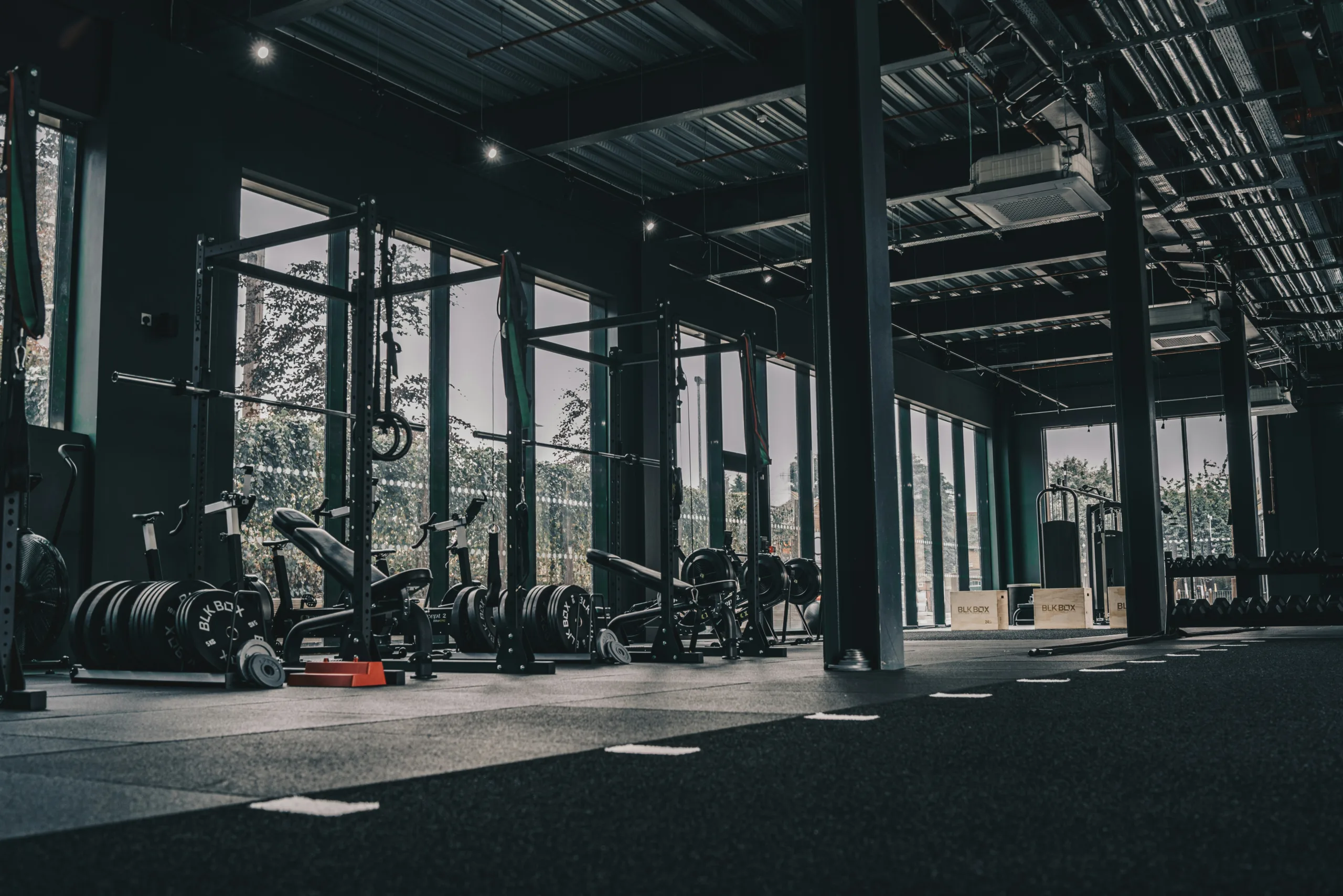



- Manhattan’s largest retail leases this quarter came from boutique gyms and wellness providers, according to a new JLL report.
- Top signings include Chelsea Piers and Life Time, both taking over 70,000 SF, with more high-end wellness entrants following suit.
- Retail vacancies in Manhattan’s prime corridors dropped to 12%, the lowest since 2019, suggesting wellness demand is cushioning the sector.
Wellness Tenants Drive New Leasing Momentum
A growing focus on health and well-being is reshaping Manhattan’s retail footprint. JLL’s latest quarterly report highlights that the top two retail leases since April went to high-end gyms: Chelsea Piers, which took 76,000 SF by the Seaport at 250 Water Street, and Life Time’s 71,000 SF North Williamsburg deal. Following these were lifestyle-health concepts like Atria Health and Research Institute’s 52,000 SF Chelsea lease—a testament to robust demand for premium wellness experiences. Per The Real Deal, similar deals are stacking up, pointing to a retail sector getting a fresh shot from fitness and medical-wellness tenants.
Get Smarter About What Matters in New York
Subscribe to our free newsletter covering the biggest commercial real estate stories across the five boroughs — delivered in just 5 minutes.
The Details
The top three signings this quarter illustrate wellness’s prevalence. Chelsea Piers and Life Time, both established boutique gym operators, inked the largest deals—76,000 SF and 71,000 SF, respectively, in prominent Manhattan and Brooklyn sites. Luxury medical group Atria Health and Research Institute signed for 52,000 SF in Chelsea, offering memberships at $60,000 annually. The surge also mirrors a national leasing shift, with service-based tenants increasingly replacing traditional retail categories in prime locations. Hydrogen Fitness, a new entrant, is opening its first New York location with a 17,000 SF Murray Hill lease. Meanwhile, 2025 saw luxury gyms like Equinox, Life Time, and Chelsea Piers claim four of the ten largest retail leases—a trend carrying into 2026 as new sauna and wellness concepts add fuel to the sector’s leasing surge.
Manhattan Retail Gaps Narrow as Fitness Shows Outsize Role
JLL data shows a marked decline in prime Manhattan retail vacancies—now at about 12%, the lowest since 2019 when JLL began tracking this metric. Madison Avenue and Soho are even tighter, each at just 8% vacancy. Analysts credit the wellness boom, which took hold post-pandemic, for filling spaces that previously languished during slower leasing cycles. Luxury gyms and innovative health concepts are now key anchors, outmuscling traditional apparel and big-box grocers for top addresses. The Real Estate Board of New York notes gyms’ competitive positioning, while sauna concepts like Lore, Othership, and Saint reflect a broader consumer shift toward holistic, experience-led retail.
Why It Matters
This isn’t just a lifestyle play—it’s a retail resilience story. According to JLL’s latest report, the sustained wellness leasing wave helped drive Manhattan corridor vacancies down to 12%, the best showing in seven years of data. As landlords retune ground-floor footprints, gyms and health brands are proving to be more than short-term replacements for legacy retailers—they’re often paying strong rents and drawing regular, high-frequency traffic. The Real Deal highlights how, in 2025, luxury fitness accounted for nearly half of the top retail leases, underscoring the sector’s central role in the city’s post-Covid comeback.
This shift aligns with broader consumer trends. Keith DeCoster, REBNY’s head of research, traces the momentum to pandemic-era shifts in health and self-care spending. Not only are these brands driving absorption, but their success is prompting a wave of new concepts, including high-end medical offices and experiential sauna brands, to chase the market. With prime corridors like Madison Avenue and Soho posting sub-10% availability, landlords and developers will likely continue courting wellness tenants—reshaping the age profile and daily rhythms of New York’s key retail neighborhoods.
What’s Next
Market-watchers expect the wellness and fitness leasing trend to persist, especially as more experiential and medical-wellness brands compete for space. New-to-market concepts like Hydrogen Fitness are betting big on Manhattan, and F&B-adjacent health concepts may follow. JLL’s long-term outlook signals that health and fitness will remain dominant retail categories, limiting prime corridor vacancies through 2026. With continued investment in high-touch, high-rent flagship sites, wellness may well anchor New York’s next retail era—and keep core district landlords in fighting shape.