








- Major US housing legislation blocks big landlords from buying most single-family homes but carves out notable exceptions.
- Institutions can still pursue growth through built-to-rent and renovations, keeping acquisition pipelines open despite regulatory scrutiny.
- State-level bans could grow stricter, but the law reflects compromise—signaling evolving, but not disappearing, institutional landlord influence.
Compromise Amid Political Pressure
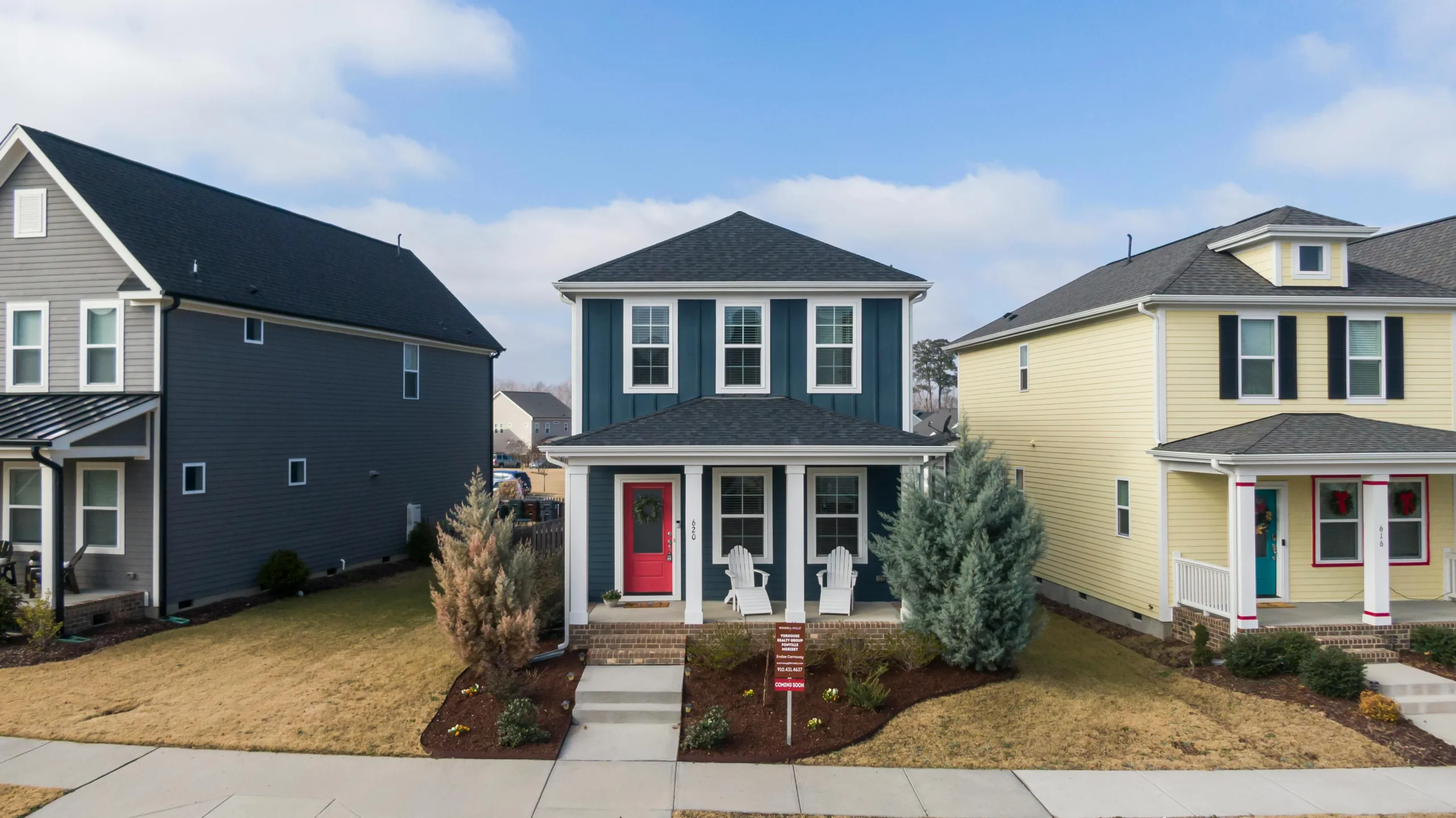
After months of heightened rhetoric targeting Wall Street landlords, US housing policy landed on a middle ground. According to Bloomberg, the 21st Century Road to Housing Act, which became law Saturday without President Trump’s signature, forbids institutional investors who own 350 or more homes from acquiring additional single-family houses outright. Still, it retains pathways for companies like Invitation Homes, Pretium, and Blackstone’s Tricon Residential to grow by purchasing or developing homes with significant renovations or built-to-rent models. The new law, branded under the populist banner “Homes Are for People, Not Corporations,” reflects the bipartisan backlash that’s dogged large landlords since the post-foreclosure crisis era.
This approach attempts to balance public anger over housing affordability with supply pressures. Per Urban Institute analysis, landlords with more than 1,000 houses actually comprise only 3% of the single-family rental market nationwide. Yet their presence has become emblematic of the housing crunch, particularly in Sun Belt cities like Phoenix and Atlanta, where rapid institutional buying followed the Great Recession.
Get Smarter about what matters in CRE
Stay ahead of trends in commercial real estate with CRE Daily – the free newsletter delivering everything you need to start your day in just 5-minutes
The Details
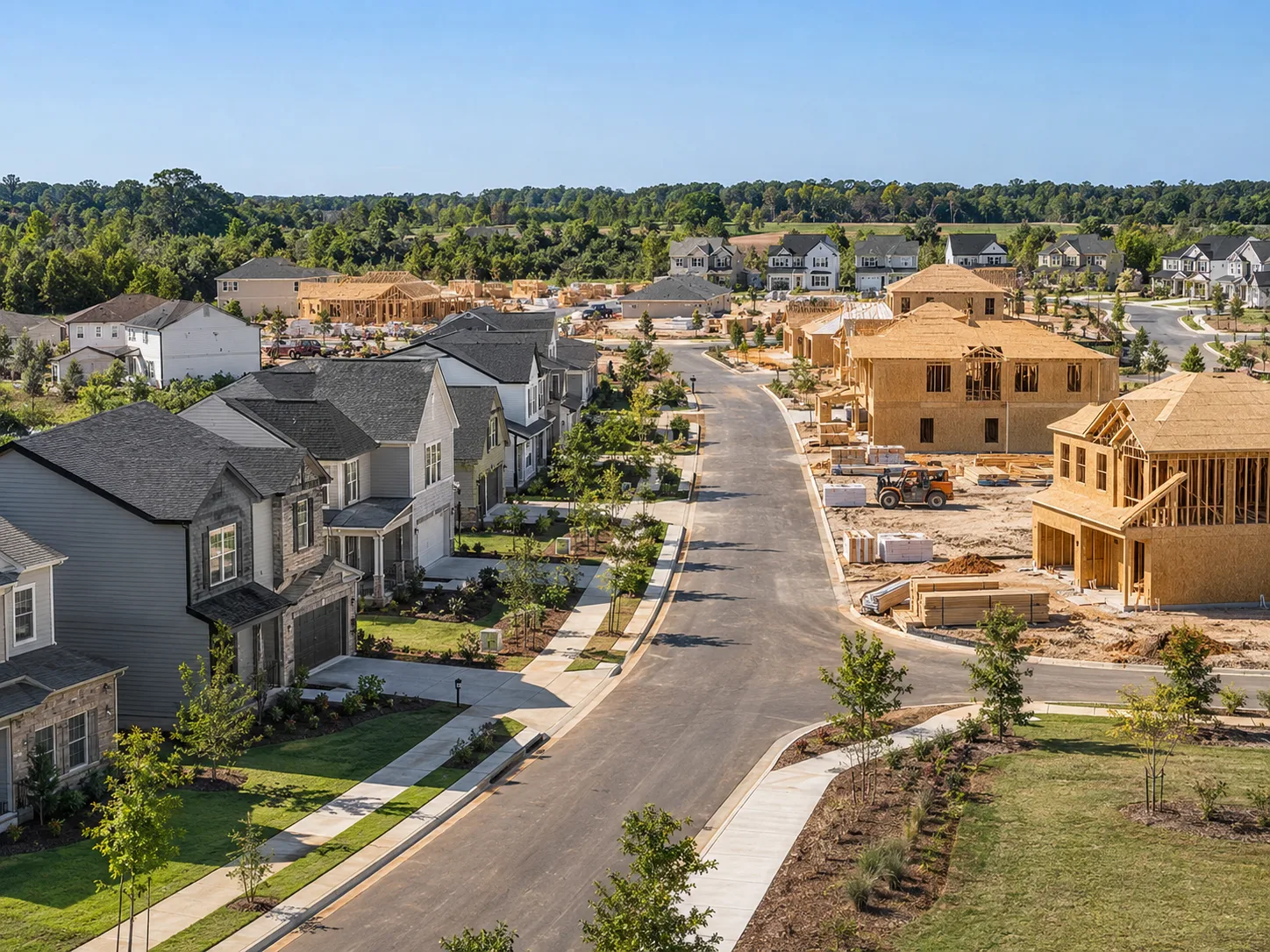
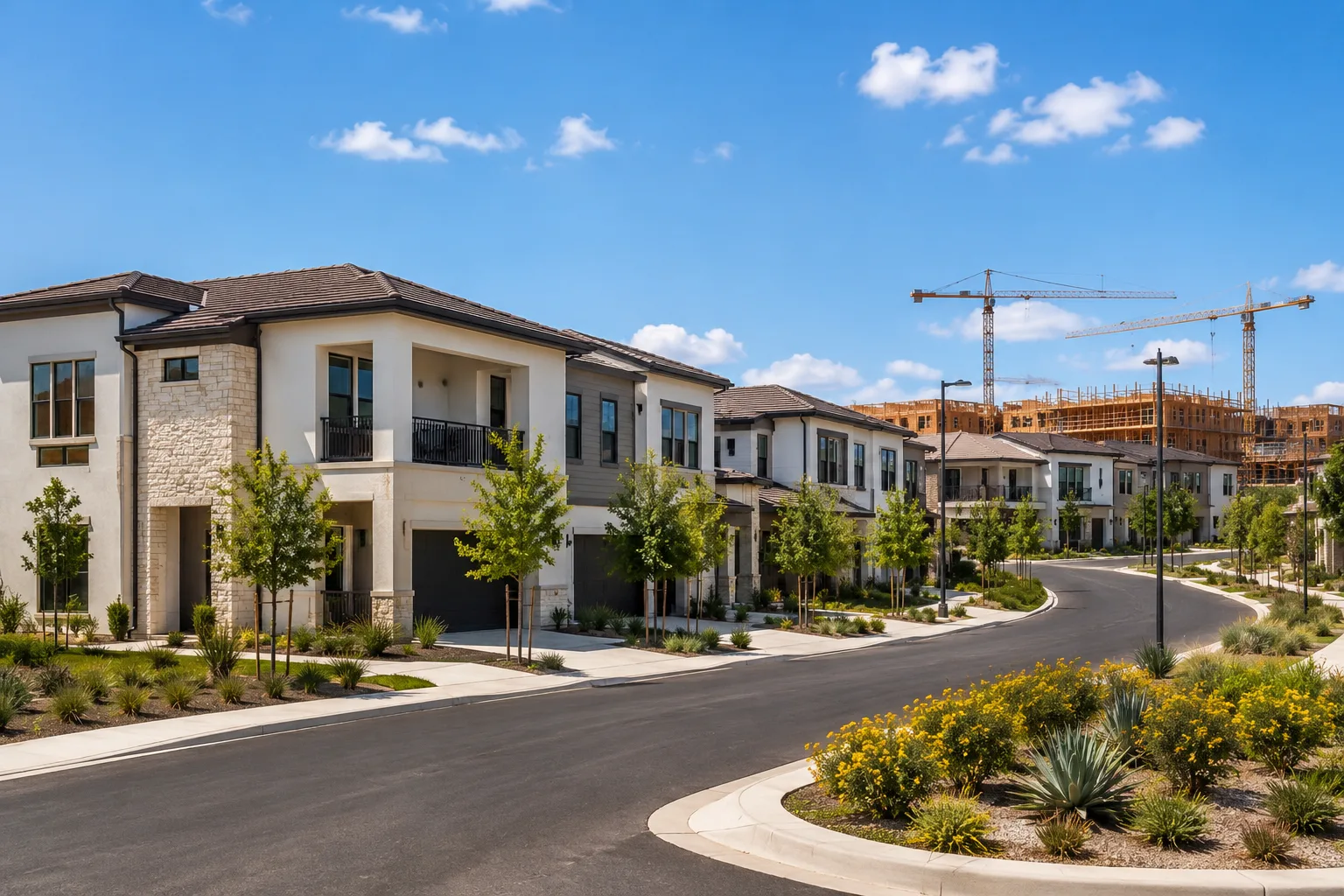
The law sets a hard bar: institutional owners holding 350+ single-family homes can’t buy more unless they either conduct significant renovations or offer tenants a purchase opportunity later on. Carve-outs allow deals between large landlords and permit purchases of built-to-rent developments—homes constructed specifically for the rental market, which have gained momentum as interest rate hikes slowed open-market investor buying. Violators face substantial penalties. The Act’s passage—after Trump declined to sign it but failed to veto within the 10-day window—represents a classic congressional compromise, sustaining investor participation while introducing fresh guardrails. This didn’t come without consequences: Amherst, which holds about 50,000 homes, laid off 100+ employees as the industry paused new capital deployment amid legislative uncertainty.
From Crackdown to Carve-Outs
Only six months ago, Trump’s anti-Wall Street homebuyer push triggered a standstill in institutional transactions and sent rental housing stock prices tumbling. Early legislative drafts posed existential threats, including outright bans on new home acquisition or even new construction for rental. The final version carefully sidesteps a blanket prohibition. Instead, firms can still expand portfolios so long as growth targets either new product (built-to-rent) or significant improvements to housing stock—a nod to the supply side and industry pushback from homebuilders. The March 2026 peak in market tension came as the Senate weighed stricter measures, but the resulting law ultimately preserves institutional involvement even as it narrows the playing field.
Why It Matters
The “built-to-rent” carve-out hands major landlords a sanctioned path to expansion, even as open-market home buying is constrained. Companies with scale and patient capital can remain active, shifting focus to development and heavy-value-add projects. The debate also reinforces expectations that housing policy will remain a major legislative theme through 2026, extending uncertainty beyond this single law. But the signal to the capital markets was clear: regulatory risk is now a permanent fixture in the single-family rental space.
The industry shock in Q1 2026, which saw public SFR shares decline and hiring freezes abound (per data from SFR Analytics and Bloomberg), underscores how regulatory uncertainty can chill investment and slow expansion. Institutional landlords buying over 1,000 houses hold just a 3% market share, yet are disproportionately targeted because of public perceptions about affordability and competition. States may not wait long to add their own prohibitions—in 2023, over 24 states floated investor-targeted bills, and recent moves in Michigan and Georgia show political appetite for even stricter action. The compromise law signals to CRE operators and financiers that local political climates—and tenant advocacy trends—are now as crucial as interest rates or supply-demand fundamentals in shaping strategy.
What’s Next
Short-term, recovery in SFR investment will be slow as institutions and capital providers digest the full implications of the new law. Drew Flahive of Amherst projects a one to two-year wait before large-scale capital resumes, as investors seek regulatory clarity. Meanwhile, the built-to-rent development pipeline is likely to expand, keeping construction lenders and developers busy. At the state level, expect further legislative activity—especially in markets with high institutional presence—to keep compliance teams and acquisition officers on alert. The CRE sector will be watching for how strict enforcement is, and for the next round of political focus as affordability remains front and center in the US housing debate.