







- Apartment List’s June report points to stabilizing rents and a nascent decline in vacancies across the US multifamily sector.
- Seasonal demand is driving modest rent gains, but annual and market-level data highlight ongoing softness, especially in key Sun Belt metros.
- Investors face a mixed environment where caution is warranted as the sector absorbs a pandemic-era construction surge and macro risks linger.
Signs Of A Softer Landing
The tide may be turning for the US multifamily market. According to Apartment List’s latest report, after years of steep swings, key indicators are now pointing toward stability. US median rents climbed for a fifth consecutive month in June, rising 0.4% to $1,385. That sequential gain comes during the typical summer rental season, but the real story is vacancy: the national multifamily vacancy rate dropped to 7.2%, its first decline since 2021. This signals a potential end to a four-year stretch of rising vacancies driven largely by a pandemic construction wave and shifting migration patterns.
Despite this, the report characterizes market conditions as “decidedly cool.” The broader context: national rents remain down 1.2% year-over-year, and although the market has corrected, rents are 21% above early 2021 levels. For multifamily investors, this suggests the sector is no longer in freefall, but neither is it back to the frenzied growth of the early 2020s.
Get Smarter about what matters in CRE
Stay ahead of trends in commercial real estate with CRE Daily – the free newsletter delivering everything you need to start your day in just 5-minutes
The Details
In June, the national median rent increased by 0.4%, sustaining a steady run of monthly gains since winter. However, annual rent growth remains negative, with national rents off 1.2% from June 2025 and down 4% from the 2022 market peak—a drop of about $57 per month. Apartment List attributes the existing market softness to the absorption of units delivered during the construction surge of 2024.
Leasing activity is also shifting. The national list-to-lease timeline now averages 30 days, a day quicker than in May but still slower than the same period last year and well above the June 2021 leasing velocity, which saw apartments filling in just 18 days. Vacancy’s slight retreat—from 7.3% in February to 7.2% in June—could indicate that the market is beginning to absorb excess inventory.
Migration, Markets, And The Construction Overhang
The multifamily correction has not been evenly distributed. Among the 56 largest metros, June’s rent growth was nearly universal—51 saw monthly increases driven by seasonal demand. Yet over the past year, 30 of those metros reported rent declines. The Sun Belt and Mountain West continue to feel the effects of construction-driven oversupply, with San Antonio posting a 5% annual rent drop and notable declines in Denver, Austin, and Phoenix, per Apartment List. Meanwhile, traditional strongholds like the Northeast and parts of the Midwest and West Coast are faring better.
San Francisco is a standout on the rebound, up 7.4% annually—a sharp turnaround after two years of outflows. Other metros posting year-over-year increases include San Jose, Honolulu, Milwaukee, and Chicago. This uneven performance highlights the importance of market-specific analysis for investors and operators as the sector recalibrates post-pandemic.
Why It Matters
The multifamily market is shifting from rapid growth to a more measured recovery. Seasonal rent gains are returning, but elevated vacancies continue weighing on performance.
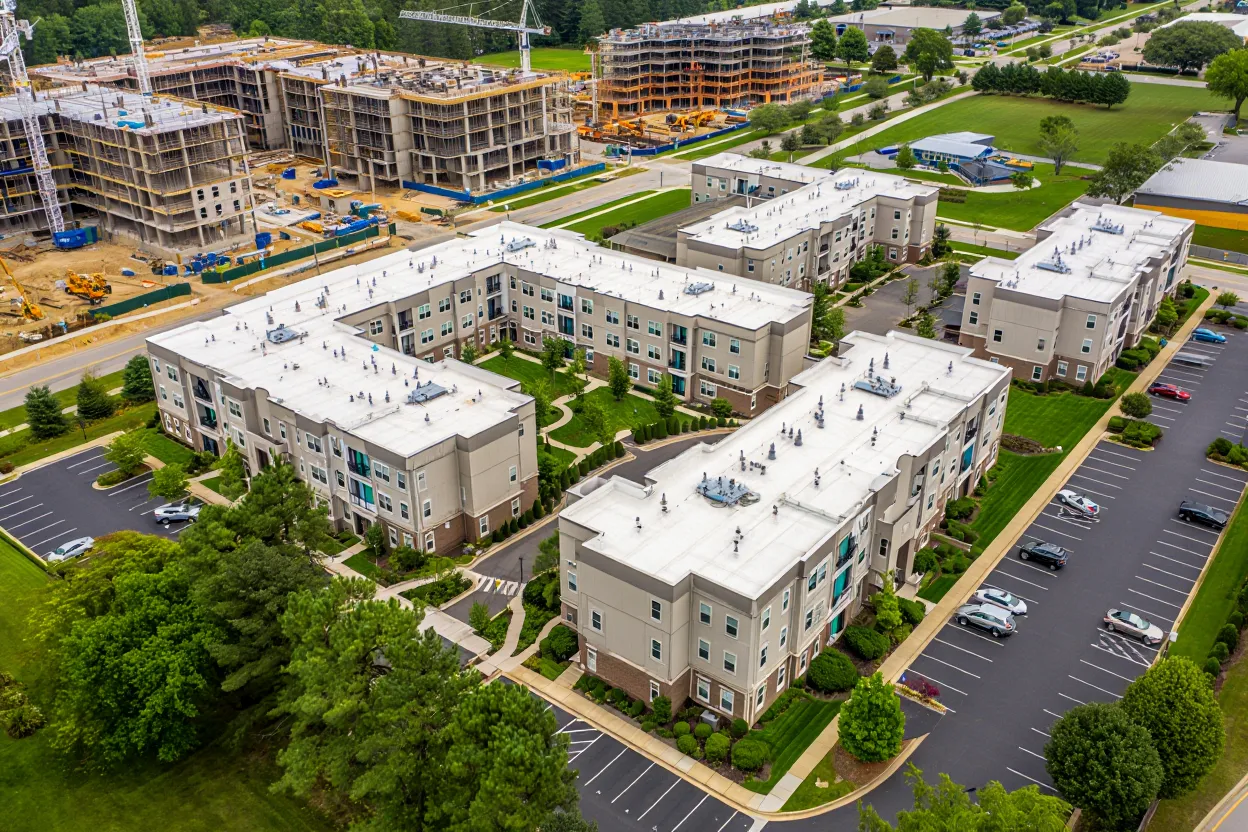
Apartment List attributes much of the softness to the construction boom that peaked in 2024. Vacancy rates have started to decline, but leasing activity remains sluggish.
Operators continue relying on concessions to maintain occupancy and absorb new supply. Broader risks, including inflation and labor market uncertainty, remain in focus.
For investors, the emphasis has shifted toward asset positioning and capital preservation over aggressive growth strategies.
What’s Next
Market watchers should expect another month or so of modest rent increases before the typical fall slowdown. Further vacancy easing is likely to be gradual unless there is a significant external demand shock or further curbs on new development. Apartment List’s outlook calls for measured stabilization—a period where rent growth runs below inflation and operators grapple with lingering supply from the pandemic construction boom. Investors should watch for divergence between metros as economic, labor, and migration trends dictate demand. The era of easy gains is over; performance will hinge on local execution and the ability to adapt portfolios to a more fragmented, competitive landscape.