




- Miami posted the highest average office rent among 50 US cities at $59.66 PSF, according to LoopNet, edging past New York and widening the gap with other gateway markets.
- The pricing is being driven by demand for Class A and Class A+ space in neighborhoods like Brickell, Downtown, and Coconut Grove, where rents can top $100 PSF, according to local brokers.
- The trend underscores how South Florida’s wealth migration is reshaping office demand, with new trophy towers, record leases, and finance-focused tenants pushing Miami further up the office pricing ladder.
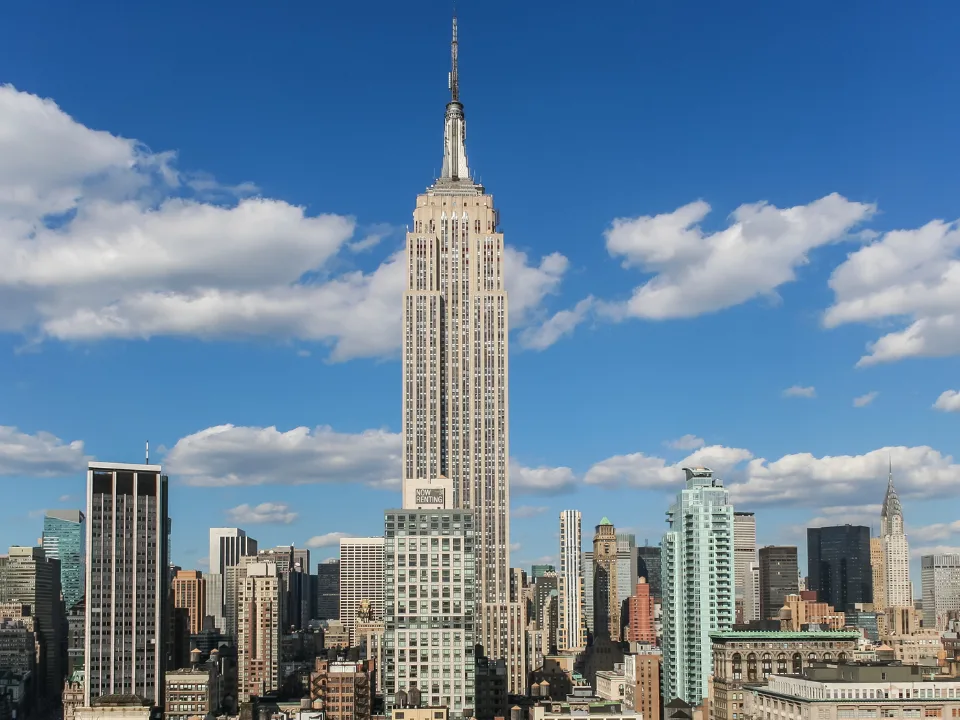
Miami’s office market has reached a milestone few would have predicted a few years ago: it is now the most expensive in the country by average asking rent. According to a new LoopNet survey of 50 US cities, office space in Miami averages $59.66 PSF, ahead of New York at $50.56 and well above San Francisco at $42.66.

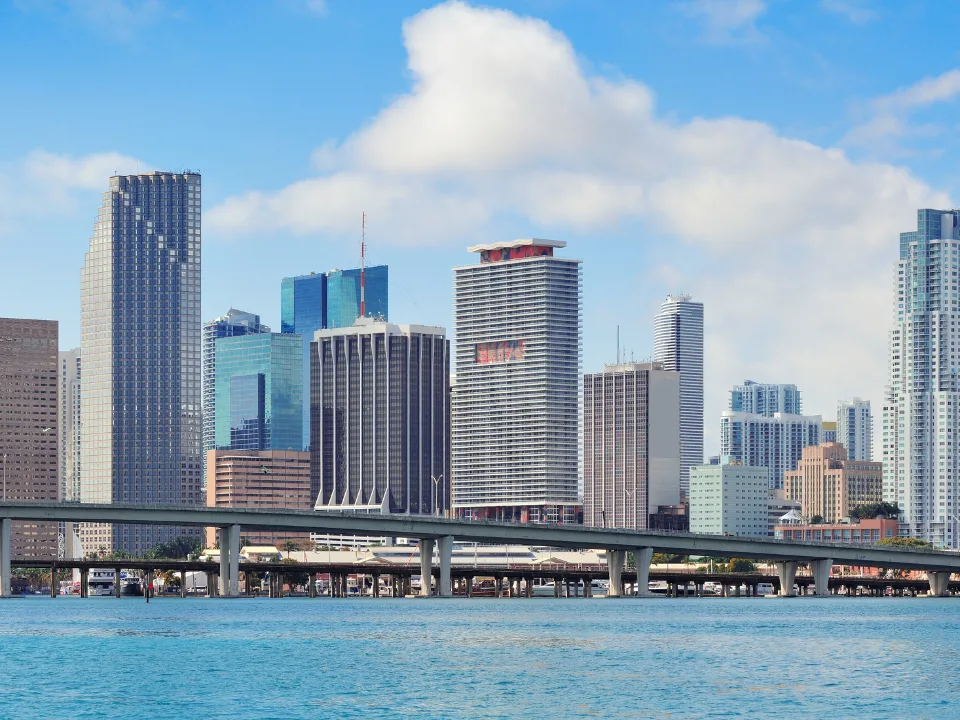
The ranking says less about broad office demand than it does about where Miami’s demand is concentrated. The city’s priciest submarkets, especially Brickell, Downtown, and Coconut Grove, are packed with newer high-end buildings and tenants willing to pay a premium for them.
Get Smarter about what matters in CRE
Stay ahead of trends in commercial real estate with CRE Daily – the free newsletter delivering everything you need to start your day in just 5-minutes
Trophy Space Is Resetting Miami Office Pricing
Miami’s rise to the top of the office rent rankings has been years in the making, but the current pricing surge is tied to a narrow slice of the market: new Class A and Class A+ product. Ana Bozovic, founder of Analytics Miami, told the Miami Herald that demand for prime office space remains “extreme,” while supply is still limited.
That imbalance has been reinforced by South Florida’s wealth migration story. Since 2020, Miami has attracted hedge funds, family offices, law firms, and finance executives from New York, California, and other high-cost markets. Those firms are not just leasing space, they are often targeting the newest buildings with hospitality-style amenities, top views, and high-profile addresses. In that environment, average asking rents can climb fast even if the broader office market remains more mixed.
The Details
LoopNet ranked Miami first among 50 US cities with an average office rent of $59.66 PSF. New York came in at $50.56 PSF, followed by Washington, DC at $47.95, San Francisco at $42.66, and San Jose at $39.63. The report covers the city of Miami only, not the broader Miami-Dade market.
That distinction matters. Miami’s city limits include a high concentration of premium office product, which likely lifts the average. Tere Blanca, founder and CEO of Blanca Commercial Real Estate, told the Herald that Class A and Class A+ rents in Brickell, Downtown, and Coconut Grove often exceed $100 PSF. The market’s latest headline lease came in June, when Bloomberg reported that Peter Thiel leased space at 830 Brickell for roughly $250 PSF for his family office.
Brickell’s Office Pipeline Is Still Growing
Miami’s rent story is not happening in a vacuum. It is unfolding alongside a development cycle centered on luxury office product, especially in Brickell and nearby submarkets. Ken Griffin’s planned supertall in Brickell will add 1.7M SF of office space, with about one-third slated for Citadel and Citadel Securities’ global headquarters operations. Banco Santander is also building a new regional office nearby, adding more institutional weight to the district.
Outside the urban core, developers are also leaning into a premium-office strategy. One Kane, an office project under construction in Bay Harbor Islands, is marketing itself to wealthy nearby enclaves including Bal Harbour and Indian Creek Village. Its amenity package includes a marina, effectively turning boat access into part of the office pitch. That tells you where developers see demand: not commodity office users, but top-end tenants who want prestige, privacy, and convenience in one package.
Why It Matters
Miami’s rent lead is a sign that premium office demand is still very real. It is not, however, proof of a broad office recovery. Instead, Miami shows how sharply the sector has split. The best buildings in the right locations are still commanding strong demand and record pricing. Older or less differentiated assets are operating in a very different market.
That split matters for owners, lenders, and developers across the Sun Belt. Miami is showing what happens when wealth migration, limited supply, and new construction all converge in one market. It also shows how much value tenants now place on quality. In 2026, office underwriting is less about whether the sector works at all. It is about whether a building can compete for the specific tenants still expanding.
What’s Next
The next question is whether Miami’s development pipeline cools rents or pushes the top end even higher. More Class A space is coming, especially in Brickell. But much of it is being built for the same finance, legal, and family-office tenants already driving rent growth. If that demand holds, new supply may raise the ceiling instead of relieving pressure.
Two things are worth watching. First, whether more large tenants follow Peter Thiel and commit to top-tier space at record pricing. Second, whether trophy office demand spreads beyond the city core into nearby submarkets with new luxury product. Miami is no longer just competing with other Sun Belt markets on office rents. It is now competing directly with the biggest gateway cities in the country.