

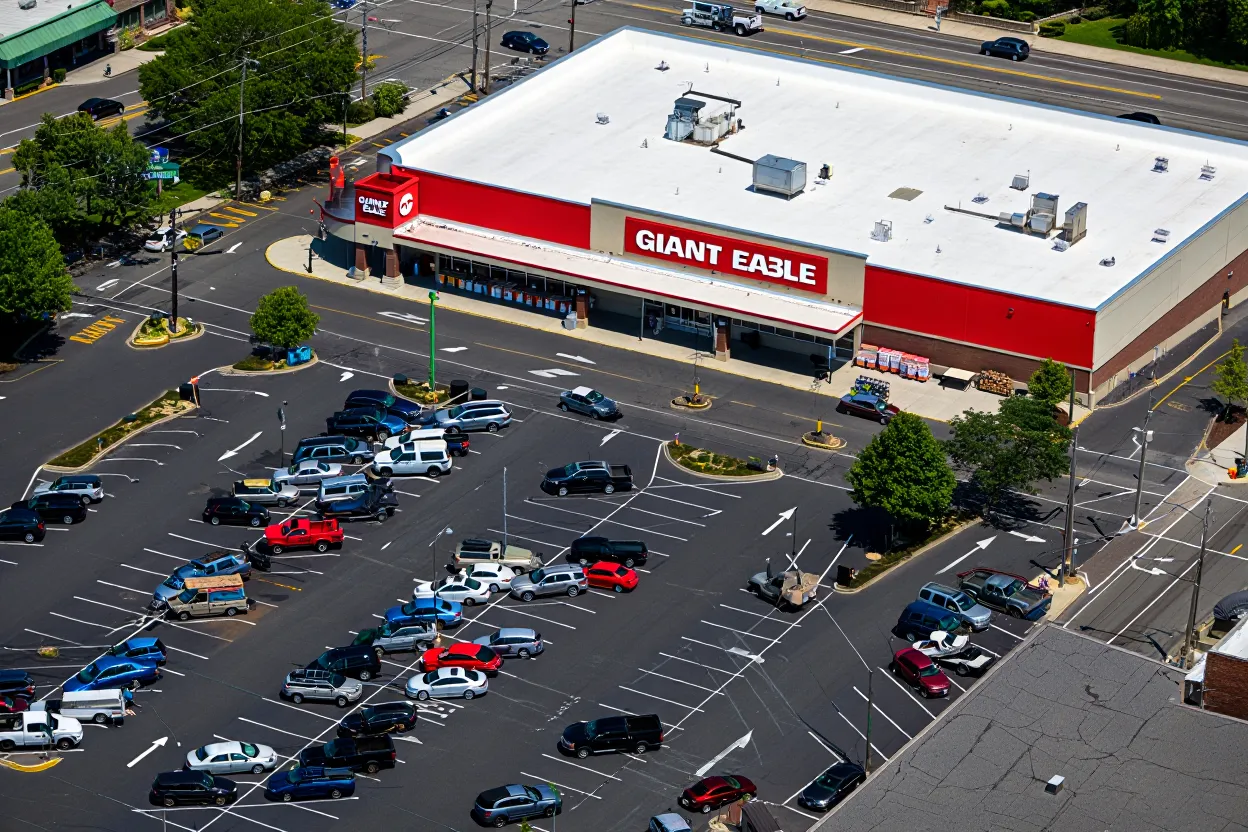
- Kroger has agreed to acquire Giant Eagle for $1.65B, expanding its operations into new Midwest and Mid-Atlantic markets.
- The deal includes 197 supermarkets and 11 standalone pharmacies, with integration targeted for 2027 after regulatory review.
- This acquisition could reshape regional grocery competition, with Kroger betting on scale, operational synergies, and enhanced customer reach.
Kroger Pursues Regional Scale Through Acquisition
Kroger’s move to acquire Giant Eagle marks another chapter in the ongoing consolidation of US supermarket chains, a trend that’s accelerated as national players seek access to new customers and defend against rising competitive threats. According to PR Newswire, the $1.65B agreement will fold Giant Eagle’s 197 supermarkets and 11 pharmacies into Kroger’s already extensive footprint, giving the Cincinnati-based giant a stronger presence in Ohio, Pennsylvania, West Virginia, Maryland, and Indiana. This expansion builds on the industry’s momentum for regional densification and integrated omnichannel offerings, as grocers adapt to shifting consumer habits and the growing dominance of e-commerce in food retail.
The acquisition comes as grocers face ongoing margin pressure from rising costs and changing consumer loyalties. Per Supermarket News, Giant Eagle generated roughly $9B in annual sales prior to the deal. The transaction’s scale positions Kroger to capture more market share and leverages both companies’ expertise—from Giant Eagle’s pharmacy and loyalty program to Kroger’s data-driven service and e-commerce capabilities.
Get Smarter about what matters in CRE
Stay ahead of trends in commercial real estate with CRE Daily – the free newsletter delivering everything you need to start your day in just 5-minutes
The Details
Kroger will pay $1.25B in cash and assume about $400M in Giant Eagle liabilities. The companies announced the deal jointly. Kroger’s board unanimously approved the acquisition. The company will fund it with existing cash reserves.
Giant Eagle operates nearly 200 supermarkets across the Midwest and Mid-Atlantic. The portfolio gives Kroger instant market access and established operations. Kroger will integrate the stores and pharmacies into its supply chain, technology platform, and omnichannel network.
RBC Capital Markets and Jones Day advised Kroger. Wells Fargo and WilmerHale represented Giant Eagle. The companies expect to close the deal in 2027, pending regulatory approval. Kroger will maintain its 2.3–2.5x net debt-to-adjusted EBITDA target. It also plans to continue its $2B share repurchase program and dividends, subject to board approval.
Midwest Grocery Market Faces Increased Consolidation
The deal further consolidates a regional grocery market already shaped by acquisitions, labor shortages, and changing consumer habits. It also follows the collapse of Kroger’s proposed merger with Albertsons, pushing the company toward smaller expansion opportunities. Giant Eagle has long operated as a private, family-owned company. Forbes ranks it among the largest private US businesses. Its stores in Ohio and Pennsylvania strengthen Kroger’s presence in underserved markets.
The acquisition also removes a major regional rival. In addition, Kroger gains a pharmacy business and a large loyalty program. Meanwhile, Walmart, Amazon, and discount chains continue capturing grocery market share. As a result, scale and operating efficiency have become essential for traditional grocers.
Why It Matters
The Kroger-Giant Eagle deal arrives during a pivotal period for grocery and mixed-use retail landlords. CBRE’s 2025 Grocery Real Estate Outlook found that grocers favor smaller, high-traffic stores with last-mile delivery capabilities. Giant Eagle’s network complements Kroger’s technology investments and supports future omnichannel growth.
Consumers now combine in-store shopping with curbside pickup and delivery. Therefore, retailers need stronger digital and physical operations. The combined company will manage Giant Eagle’s $9B sales base. Kroger expects greater scale, richer customer data, and stronger pricing power. If earnings growth meets projections, the deal could encourage more regional grocery acquisitions.
What’s Next
The companies expect to close the transaction in 2027 after regulatory review and customary approvals. They anticipate limited store divestitures to satisfy antitrust regulators. However, they have not identified specific locations.
Kroger will focus on integrating Giant Eagle’s operations and e-commerce capabilities. Industry observers will closely watch whether the promised synergies arrive on schedule. Retail landlords and suppliers should also expect continued consolidation among major grocery tenants.