






- AI and tech firms are fueling Manhattan office leasing, driving sublease inventory below 11M SF in Q2 2026, per JLL.
- AI companies signed 21 leases totaling 719,200 SF through June, with Midtown South emerging as a tech and innovation core.
- Rising demand is tightening Manhattan office availability, nudging asking rents up as direct leases replace sublease deals.
AI Surge Reverses Sublease Overhang
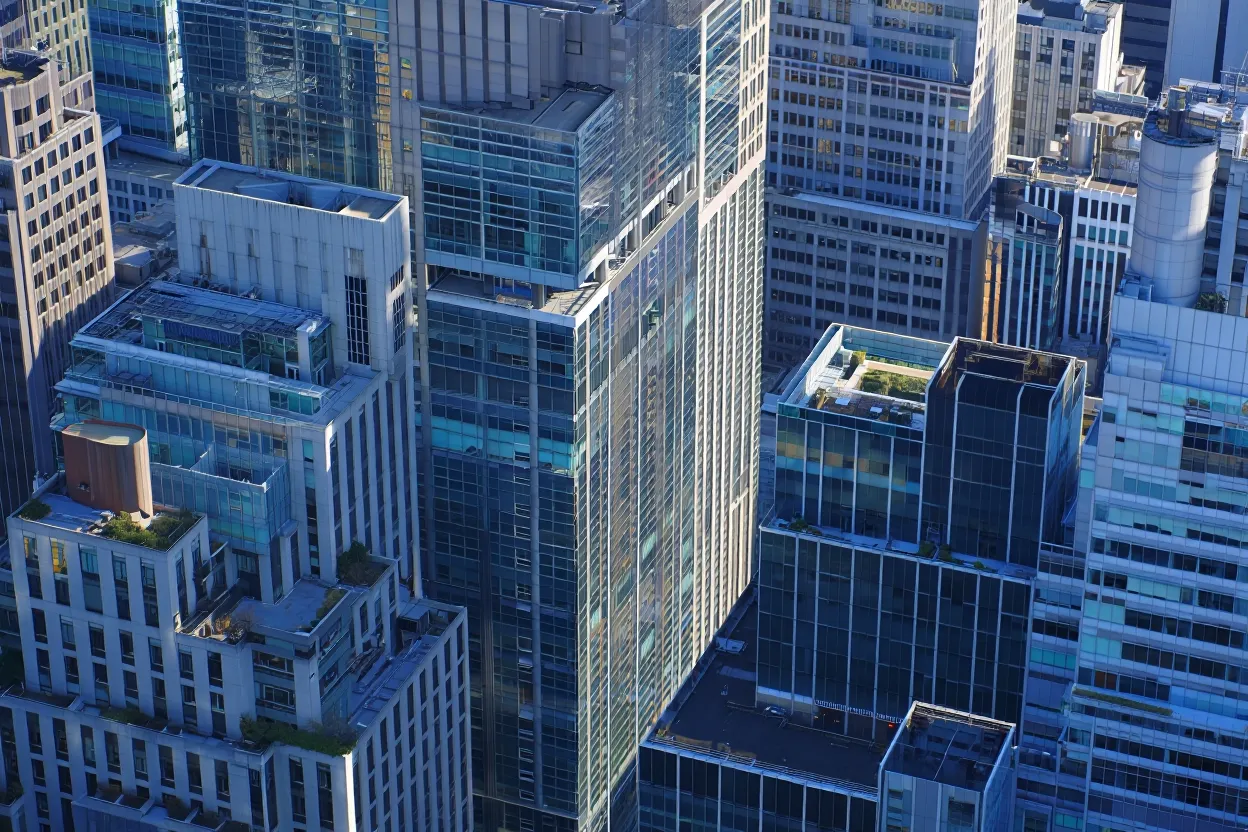
According to JLL’s preliminary second-quarter data, artificial intelligence and tech firms are breathing new life into Manhattan’s office market in 2026. The city’s sublease space—once a major source of tenant leverage in the aftermath of the pandemic—has shrunk dramatically, falling below 11M SF.
This is less than half the late-2022 peak of roughly 23M SF available for sublease. The Commercial Observer reports that the turnaround is being powered by robust leasing activity from AI and technology tenants, alongside significant absorption by law firms earlier this year.
Get Smarter About What Matters in New York
Subscribe to our free newsletter covering the biggest commercial real estate stories across the five boroughs — delivered in just 5 minutes.
The Details
JLL reports that AI companies have already inked 21 deals totaling 719,200 SF in Manhattan so far in 2026, putting them on pace to surpass their 2025 leasing total of 845,000 SF. Law firms—while not in focus—also captured a large footprint YTD. Midtown South accounted for about 70% of new AI leasing activity, signaling the submarket’s evolution as a hub for innovation.
Notable deals included AI sales platform Clay relocating its HQ to 163,095 SF at 11 Madison Avenue, and AI adtech firm Agentio leasing 20,000 SF at 295 Fifth Avenue, both closed in March. These deals underscore the appetite for high-quality creative office space, with landlords increasingly preferring direct lease agreements over sublease arrangements.
Office Availability Squeezed Further
Second-quarter figures from JLL point to a broader tightening across the Manhattan office market. Availability dropped by 50 basis points to 12.7% compared to Q1, translating to about 2M SF less available space quarter-over-quarter. By June, overall leasing volume reached 1.1M SF for the month, contributing to a year-to-date tally of 17M SF in executed leases.
This tightening mirrors a broader recovery, as stronger leasing activity continues to reduce sublease availability across the market. The average asking rent hit $84.23 PSF in Q2, a number buoyed by increased competition for quality space and landlords’ preference for longer, higher-priced direct leases over short-term sublets.
Why It Matters
AI and technology firms have given Manhattan landlords fresh momentum after years of elevated vacancies and weak rents. Sublease inventory has dropped below 11M SF, down from more than 23M SF in late 2022. That decline has shifted negotiating power toward landlords. As a result, tenants now have fewer discounted options, especially in Midtown South.
JLL managing director Jamie Katcher says AI demand is reducing sublease supply and driving long-term lease commitments. So far, 70% of AI leases have landed in Midtown South. The area continues to attract fast-growing, innovation-focused companies. Meanwhile, law and financial firms also leased large blocks. That broad demand has strengthened market fundamentals. Owners now enjoy firmer pricing as average asking rents exceed $84 PSF.
What’s Next
If current leasing continues, AI-driven office absorption could surpass 2025’s record by year-end. Shrinking sublease inventory should support rent growth for class A landlords. It should also reduce concessions tied to sublease deals.
Midtown South’s evolution into a technology hub could drive more redevelopment and office repositioning. Landlords and brokers will closely watch AI leasing through late 2026. Sustained demand will strengthen market stability and pricing power.