





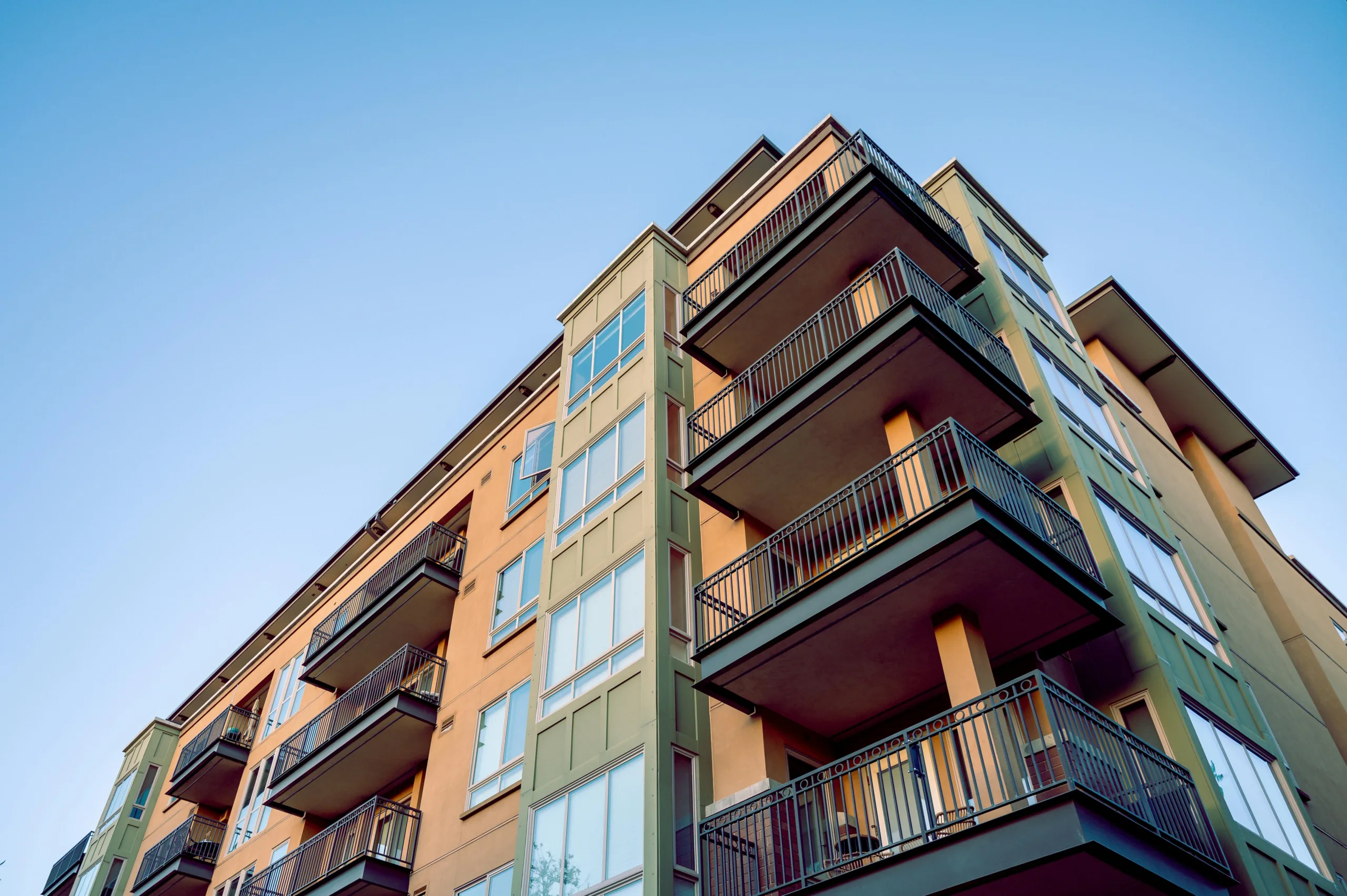
- Newly delivered Class A multifamily assets are trading at higher cap rates than older vintages because value-add buyers, not core capital, are driving pricing today.
- Developers exiting lease-up face tougher disposition math as many projects financed in 2020–2022 no longer align with the cap rates they originally underwrote.
- Market participants expect cap rates for stabilized multifamily to compress again if institutional core and core-plus capital returns to the sector in force.
According to Globe St, core capital’s retreat from multifamily has upended one of the sector’s longstanding pricing assumptions: newer apartments no longer command the lowest cap rates. Instead, many newly built Class A assets are trading at wider yields than older multifamily properties as value-add investors become the market’s dominant buyers.
Speaking during a Walker & Dunlop webinar hosted at MIT, CEO Willy Walker said the shift reflects a dramatic change in who is actively allocating capital into commercial real estate. Rather than competing for stabilized, bond-like income streams, today’s buyers are targeting properties where they can force appreciation through renovations, operational changes, or repositioning.
Get Smarter about what matters in CRE
Stay ahead of trends in commercial real estate with CRE Daily – the free newsletter delivering everything you need to start your day in just 5-minutes
A Pricing Reversal by Vintage
Walker highlighted transaction data showing newer multifamily properties trading at higher cap rates than older assets. The trend applies to properties built after 2020. Those assets still offer newer construction, stronger amenities, and higher-end finishes.
Walker said the pricing gap reflects the absence of core and core-plus capital. Historically, those investors set pricing for institutional-quality apartment communities. Today, many remain on the sidelines.
Instead, value-add funds now drive market pricing. Those buyers target older properties with renovation potential and operational upside. They aim to boost NOI through upgrades and repositioning strategies. As a result, cap rates for older value-add assets have compressed.
At the same time, investors demand pricing discounts for newly delivered Class A properties. Many see limited opportunities to create additional value in stabilized assets.
The reversal marks a sharp shift from 2020 and 2021. During that period, investors routinely paid premiums for newly built multifamily properties in growth markets.
The Details
The pricing reset is creating challenges for merchant builders and developers delivering projects financed during the pandemic-era construction boom. Many projects that broke ground between 2020 and 2022 were underwritten with the assumption that stabilized assets could be sold to core buyers at aggressive pricing once lease-up concluded.
Instead, developers are discovering that the buyer pool for stabilized Class A product has narrowed considerably. Walker said many institutional investors that acquired multifamily late in the cycle are now reevaluating those vintages after cap rate compression and interest-rate increases eroded returns.
That dynamic is colliding with a looming wave of maturities. Walker noted that a growing share of multifamily loans shifted toward five-year structures over the last several years as borrowers sought lower borrowing costs and flexible prepayment terms. Those loans are now clustering in 2025–2026 and again in 2030–2031, forcing many owners to refinance, recapitalize, or sell into a market that is not awarding traditional core pricing for new product.
For owners coming out of lease-up, each option carries tradeoffs. Selling often means accepting wider cap rates than originally projected, while refinancing may require fresh equity injections or lower leverage.
Value-Add Buyers Take Control
The current market structure reflects where capital still sees opportunity. Value-add investors continue to pursue older multifamily assets in markets where operational improvements or renovations can generate rent growth and NOI expansion even as broader apartment fundamentals soften.
That strategy has become particularly attractive in Sun Belt growth markets where multifamily supply surged over the past several years. In many of those metros, elevated deliveries have pressured rent growth, making buyers less willing to pay premium pricing for newly stabilized Class A communities.
Walker argued that investor priorities now shape pricing more than property quality. Core buyers focus on stable, long-term income streams. Value-add investors target execution upside and higher returns instead. That shift also comes as federal policymakers expand financing support for workforce housing properties.
As a result, older assets with repositioning potential are attracting more competitive bids than stabilized new construction.
Why It Matters
The shift highlights how capital allocation can temporarily distort traditional pricing relationships across CRE sectors. Historically, newer institutional-quality multifamily traded at lower cap rates because investors viewed those assets as safer, lower-maintenance investments with stronger long-term income durability.
Now, the lack of core capital has effectively removed that pricing floor. According to Walker, transaction volumes are recovering toward pre-pandemic levels despite limited seller enthusiasm because LPs are pressuring fund managers to return capital before raising additional money.
That pressure is forcing more assets to market even while many owners remain reluctant sellers. It also underscores how liquidity needs — not just fundamentals — are influencing multifamily valuations in 2026.
What’s Next
Walker expects the current pricing inversion to normalize as capital rotates back into real estate private equity from other investment strategies, including private credit. As institutional investors redeploy capital into stabilized multifamily, newly built Class A assets could once again attract lower cap rates than older value-add properties.
That transition may happen quickly if core and core-plus buyers regain conviction around long-duration apartment income and interest-rate stability improves. Until then, value-add capital remains the dominant force shaping multifamily pricing, particularly in oversupplied growth markets where buyers still see room to create value through execution rather than stabilization alone.