




- Retail real estate leaders at ICSC Las Vegas said inflation, rising Treasury yields, and consumer pressure are creating fresh uncertainty despite healthy leasing demand.
- Executives pointed to higher construction costs, expensive financing, and slow municipal approvals as growing obstacles for retail development and redevelopment projects.
- Industry sentiment remains cautiously optimistic, but many investors and operators are watching consumer spending and capital markets closely ahead of the critical back-to-school and holiday shopping seasons.
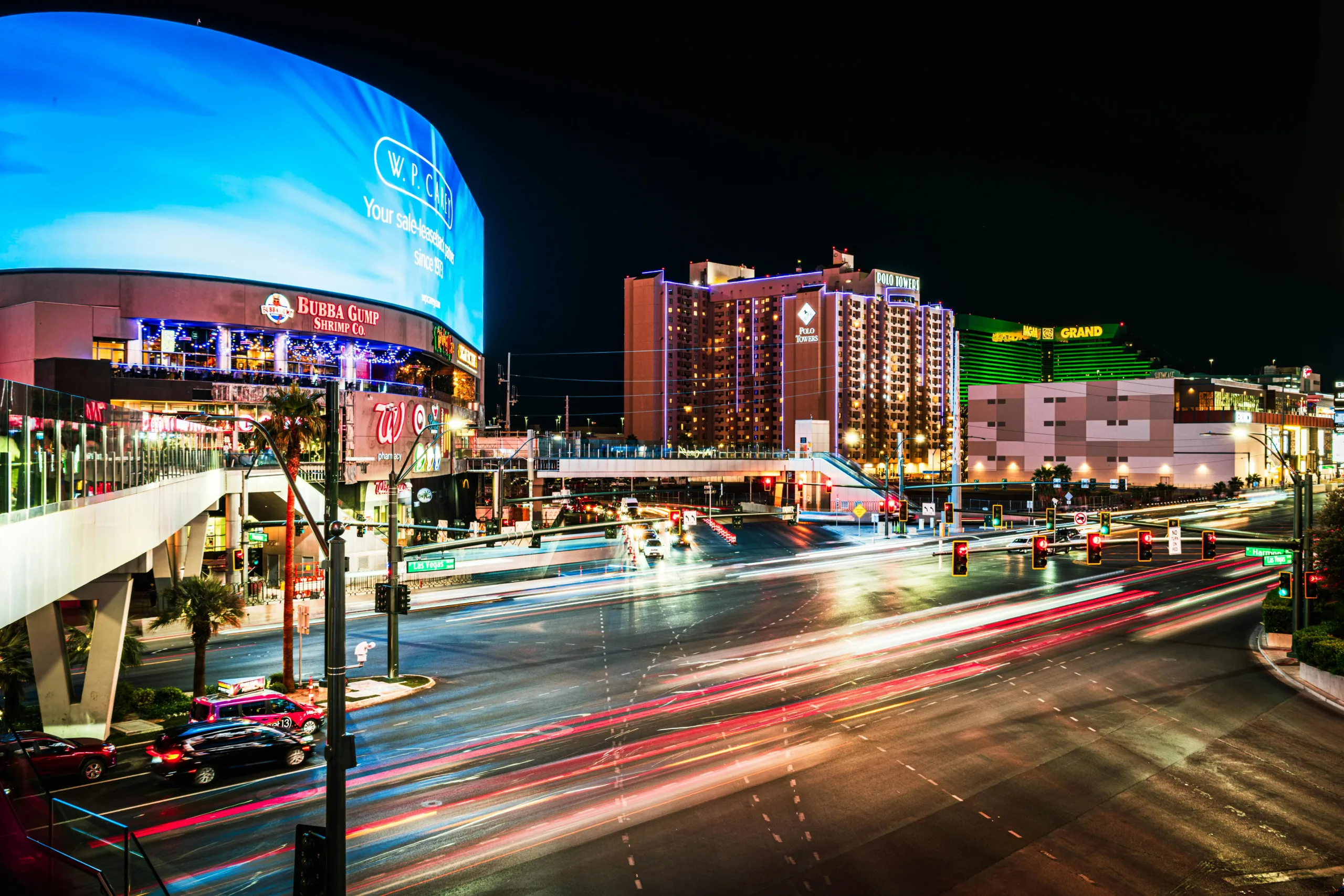
Retail real estate professionals arrived at ICSC Las Vegas this week with leasing momentum still intact, but economic anxiety creeping into conversations across the industry’s biggest annual gathering. Executives interviewed by CoStar News said resilient consumer spending and active retailer demand continue to support the sector, even as inflation, fuel prices, and global instability cloud the outlook for the second half of 2026.
The concerns surfaced as more than 25,000 attendees gathered at Wynn Las Vegas for the annual retail real estate convention. While dealmaking expectations remain healthy, many industry leaders said they are increasingly focused on the cost of capital and the possibility that economic volatility could pressure consumers later this year.
Get Smarter about what matters in CRE
Stay ahead of trends in commercial real estate with CRE Daily – the free newsletter delivering everything you need to start your day in just 5-minutes
Borrowing Costs Take Center Stage
PREIT Executive Chairman Glenn Rufrano said one of his biggest concerns is the rising cost of debt as Treasury yields climb. The 10-year Treasury yield reached roughly 4.6% last week — its highest level in a year — a benchmark that often influences commercial mortgage pricing and development financing costs.
Rufrano told CoStar News that elevated gas prices and higher borrowing costs could eventually affect consumer confidence more than strong equity markets suggest. The disconnect between headline economic indicators and day-to-day consumer strain remains a key issue for retail operators trying to forecast spending patterns.
That concern is particularly relevant for retail landlords and developers that depend on refinancing activity and redevelopment capital to reposition aging shopping centers and mixed-use assets.
The Details
Retail leaders said leasing demand itself remains relatively durable. Hue Chen, president and CEO of South Florida shopping center owner Saglo, noted that many bankrupt anchor spaces continue to attract replacement tenants quickly, underscoring ongoing retailer demand for well-located space.
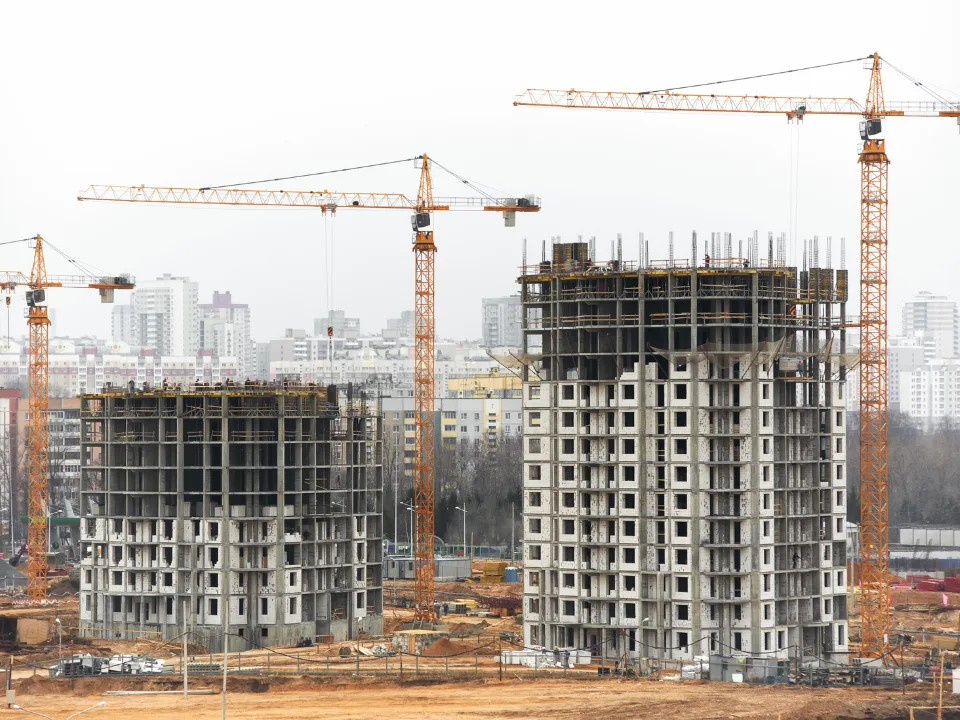
Still, Chen said inflation continues to pressure development economics. Material prices and labor costs remain elevated, while local approval and inspection timelines are slowing projects further. He argued municipalities could unlock more retail investment by modernizing permitting and inspection technology to speed tenant buildouts and capital improvements.
Executives also highlighted growing concerns around access to financing. Terrence Maiden, CEO of Dallas-based Russell Glen Co., said identifying lenders willing to finance distressed retail projects has become increasingly important as capital markets remain selective.
Maiden’s company focuses heavily on grocery-anchored centers and mall redevelopments, two sectors that often require complex financing structures. He said finding the right banking and capital partners remains one of the biggest challenges heading into the second half of the year.
Consumer Resilience Faces a Stress Test
Despite the caution, several executives said the consumer has remained stronger than expected. Avison Young retail intelligence director Meghann Martindale pointed to April retail sales growth as evidence that spending has continued despite inflationary pressures and geopolitical uncertainty.
But industry leaders also warned that the pace may not hold indefinitely. Naveen Jaggi, president of retail advisory services at JLL, said retailers are increasingly focused on how fuel prices and rising household debt could affect discretionary spending during the back-to-school season, historically the second-largest shopping period after Christmas.
According to Jaggi, wage growth has flattened relative to inflation, adding another layer of uncertainty for retailers trying to forecast inventory and staffing needs later this year.
Even niche retail service providers are feeling the pressure. Greg Melroy, business development director at holiday display company James Trogolo Co., said economic uncertainty has delayed customer budgeting decisions for seasonal installations, compressing timelines for year-end retail preparation.
A More Cautious ICSC Backdrop
The tone at this year’s ICSC Las Vegas conference reflects a retail sector that has outperformed expectations since the pandemic but remains vulnerable to macroeconomic shocks. Retail vacancy nationally has remained historically low in recent quarters, while redevelopment activity has accelerated across open-air shopping centers and mixed-use retail destinations, according to multiple brokerage reports published in 2025 and 2026.
That resilience has helped retail outperform other commercial property sectors struggling with weak office demand and tighter financing conditions. But retail owners are now navigating a more complicated environment where consumer behavior, interest rates, and geopolitical events could shift quickly. Those concerns were a major theme throughout this year’s ICSC Las Vegas conference, where industry leaders pointed to rising operating costs, cautious consumer spending, and growing uncertainty around the broader economic outlook.
The conversations unfolding in Las Vegas suggest many retail leaders still believe demand fundamentals are healthy — they’re just less certain about how long consumers can absorb higher prices.
Why It Matters
Retail real estate entered 2026 with momentum, but the sector’s next phase may depend less on leasing demand and more on macroeconomic stability. Higher Treasury yields directly affect financing costs for acquisitions, redevelopments, and refinancing activity, while inflation continues to pressure both retailers and consumers.
At the same time, slowing municipal approvals and tighter lending standards could limit new retail supply and delay repositioning projects. That combination may favor owners of existing high-performing retail centers while making value-add and distressed deals harder to execute.
What’s Next
Industry leaders will closely watch consumer spending trends through the back-to-school season and into the holidays, when retailers generate a disproportionate share of annual sales. Inflation readings, fuel prices, and Federal Reserve policy decisions are also likely to shape sentiment across retail real estate capital markets in the coming months.
For now, the message from ICSC Las Vegas is clear: retail fundamentals remain solid, but the margin for error is narrowing.