




- Google opened its Meadow Point campus in North San Jose, a nearly 800,000-SF office and lab hub designed for thousands of employees working on core products and AI infrastructure.
- The project consolidates years of acquisitions totaling more than $400M, transforming long-vacant Silicon Valley properties into a modern workplace centered on amenities and collaborative design.
- The opening reinforces a broader “flight to quality” trend in Silicon Valley offices, even as tech firms continue reducing overall footprints and subleasing older space.
Google is still shrinking parts of its office portfolio, but the company’s newly opened Meadow Point campus shows the tech giant remains committed to premium workplace investments in Silicon Valley, reports CoStar. The North San Jose development combines office, lab, and industrial space into one campus that will eventually support thousands of employees focused on Google’s core engineering and AI operations.
The opening comes at a pivotal moment for the Bay Area office market. Tech companies continue cutting excess space accumulated before the pandemic, yet demand for newer, amenity-rich campuses appears to be stabilizing in select submarkets.
Get Smarter about what matters in CRE
Stay ahead of trends in commercial real estate with CRE Daily – the free newsletter delivering everything you need to start your day in just 5-minutes
A Yearslong North San Jose Assembly
Meadow Point caps a property acquisition spree Google began in 2018 across North San Jose’s Alviso district. According to CoStar News, the company spent more than $400M assembling the campus, much of it made up of vacant or underused buildings left behind after earlier tech cycles.
The campus includes 10 properties, including six office buildings and three operational lab and industrial facilities. Google said the properties total nearly 800,000 SF, with another potential building still under consideration. Teams housed there include the company’s “Core” division, which supports products such as Chrome, Gemini, IT systems, and online safety infrastructure.
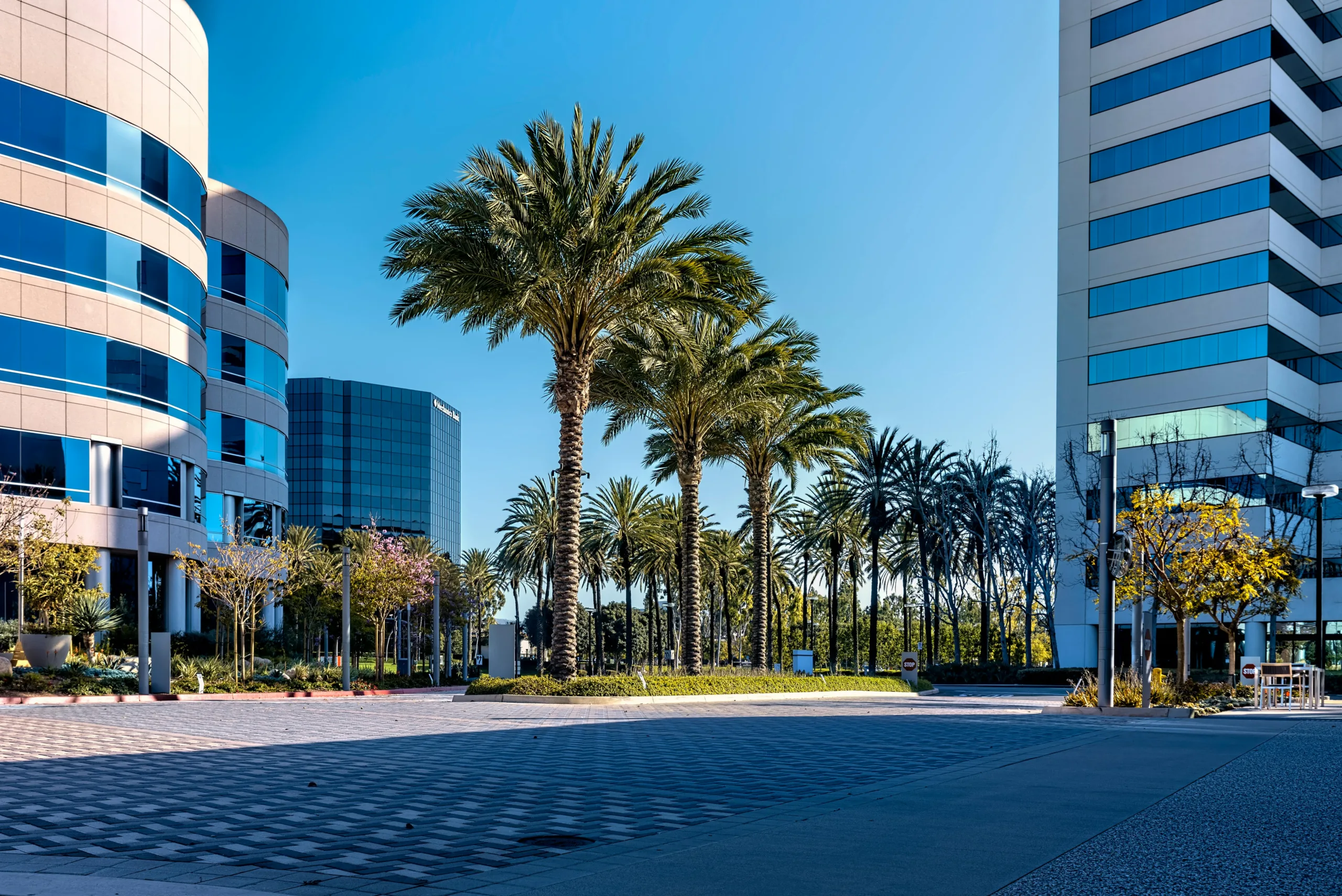
Several of the site’s largest buildings date back to the dot-com era. Cisco Systems originally developed the curved office buildings at 4300 and 4400 N. First St. in 2001 but never occupied them.
The Details Behind the Campus Design
Google leaned heavily into workplace amenities and biophilic design at Meadow Point, emphasizing outdoor space, natural light, and collaborative work areas. The campus features landscaped courtyards with native California plants, libraries, fitness facilities, game rooms, and the company’s signature “Micro Kitchens” on every floor.
Executives said the redesign focused on employee wellness and flexibility. Workspaces include shaded desks designed to reduce glare, openable windows for airflow, and a range of meeting and quiet-work environments.
The interiors also reference the Alviso neighborhood’s industrial and maritime history. Decorative elements include vintage cannery relics, boat-building displays, and nods to the area’s former role as a major port and manufacturing center.
Silicon Valley’s Office Reset
Google’s investment highlights the growing divide between premium office campuses and aging commodity office stock across Silicon Valley. The company has simultaneously reduced millions of square feet elsewhere in the region while concentrating employees in upgraded campuses.
According to CoStar, Google has vacated roughly 3M SF of leased office space in recent years as part of broader cost-cutting efforts tied to post-pandemic workplace shifts and AI-related spending priorities. The company also plans to vacate at least 500,000 SF at Moffett Place as it consolidates its cloud division into Sunnyvale’s Caribbean office campus.
That strategy mirrors a wider “flight to quality” trend reshaping office demand nationally. Per CoStar Research’s Q2 2026 analysis, San Jose leasing activity recently hit its strongest quarterly volume since 2022, driven by established tech firms and AI startups seeking modern, high-quality space despite elevated vacancy levels. Much of that momentum has centered around AI-related expansion, with major chipmakers and infrastructure firms helping fuel a broader rebound in Silicon Valley office demand.
Why It Matters
Google’s Meadow Point opening sends an important signal to Silicon Valley landlords and developers: major tech tenants still value physical offices when the product aligns with current workplace expectations. Companies may need less space overall, but they are increasingly selective about where employees work.
That shift creates winners and losers across the office market. Newer campuses with amenities, transit access, and collaborative layouts continue attracting investment, while older commodity properties face mounting vacancy pressure and falling valuations.
For San Jose, the project also reinforces North San Jose’s emergence as a long-term innovation hub. City officials are pushing for significant mixed-use growth in the area, including plans for 20,000 new housing units tied to future tech expansion.
What’s Next
The next test for Silicon Valley’s office market will be whether leasing momentum broadens beyond elite campuses and AI-driven demand. Investors and landlords will be watching whether companies continue consolidating into fewer, higher-quality offices or begin expanding footprints again as hiring rebounds.
Meanwhile, Google’s much larger Downtown West mixed-use redevelopment near Diridon Station remains paused. The project, approved in 2021 with plans for 4,000 housing units alongside offices, retail, and hotels, has seen little movement since Google halted demolition work in 2023.
For now, Meadow Point offers a clearer picture of Google’s current real estate strategy: fewer offices overall, but bigger bets on top-tier campuses built to draw employees back in.