





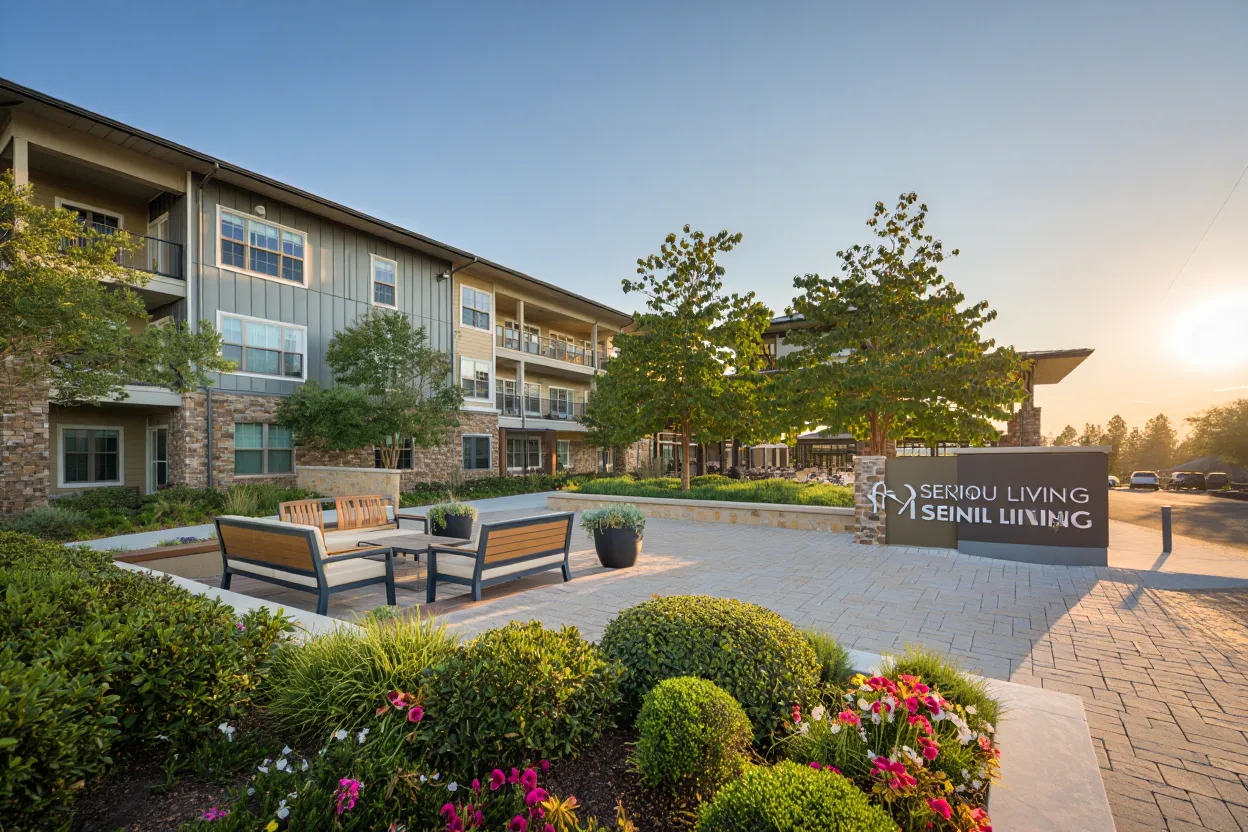
- Senior housing cap rates compressed across nearly all property types for a second year.
- Lower-acuity segments, such as active adult and independent living, saw the greatest demand.
- Cap rates for active adult Class A assets averaged 5.32% in spring 2026, down from last year.
- Most investors expect further tightening for lower-acuity assets, despite elevated borrowing costs.
Cap Rate Compression Continues
Investor confidence in senior housing is strengthening as cap rates compressed across the sector for a second consecutive year. Globe St reports that the BBG Real Estate Services’ Spring 2026 Senior Housing Investor Survey found cap rates declined in nearly all senior housing property types. The trend signals that, even with higher borrowing costs, demand for stable, lower-acuity assets is driving asset values higher in the sector.
Lower-Acuity Assets Lead Demand
Lower-acuity communities continue to outpace the market. Active adult properties posted the lowest cap rates, averaging 5.32% for Class A, 6.03% for Class B, and 6.71% for Class C. These rates fell from last year’s averages. Independent living followed closely, with similar downward cap rate trends. This aligns with broader momentum in the sector, where demand fundamentals continue strengthening as the population ages and occupancy levels improve. Assisted living assets also posted declines, reflecting high investor appetite and operational simplicity in these segments.
Get Smarter about what matters in CRE
Stay ahead of trends in commercial real estate with CRE Daily – the free newsletter delivering everything you need to start your day in just 5-minutes
Higher-Acuity and Market Spreads
Memory care and skilled nursing properties saw cap rates decrease but remained the most cautious play for investors, commanding higher rates. Cap rate spreads between asset quality and markets remain consistent, with a typical difference of 66–71 basis points between Class A and B assets in primary markets, and 61–72 basis points between primary and secondary markets. Investors remain disciplined and selective, focusing capital on predictable operations.
What’s Next
Most investors anticipate that lower-acuity senior housing cap rates will tighten further by up to 25 basis points in 2026, reflecting growing optimism and sector resilience. Capital is expected to continue flowing to lower-acuity assets first, while higher-acuity segments may see more stable rates. The overall trend points to targeted growth and cautious optimism in senior housing investment.