







- Blackstone led January’s largest commercial real estate deals, indicating a shift in investment strategy.
- The firm is selling legacy assets and focusing on data centers, high-end apartments, and logistics.
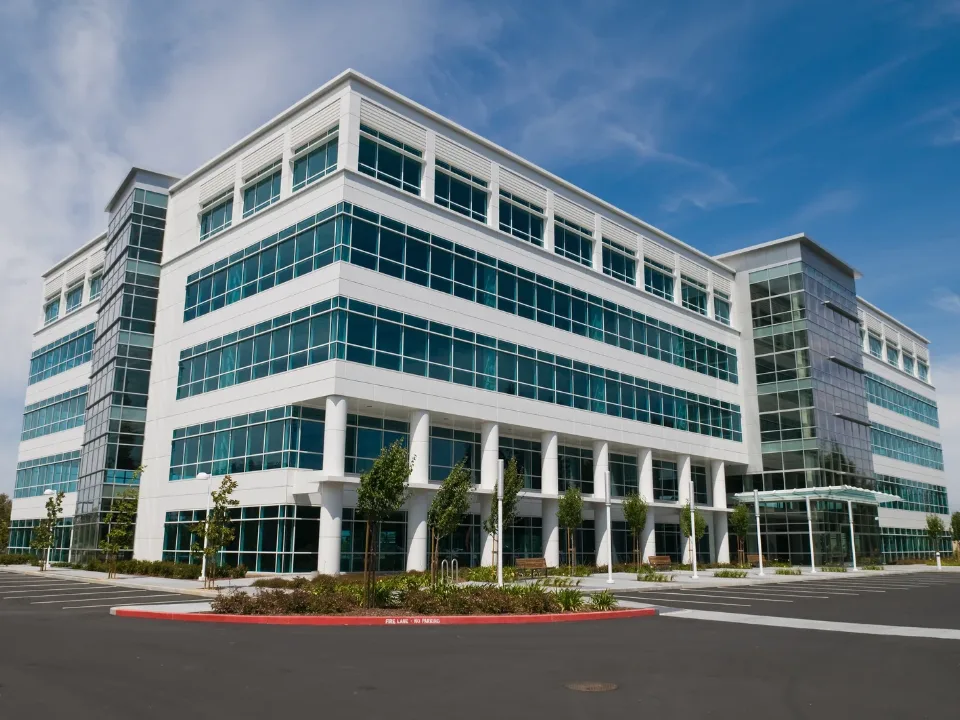
- Office deals, like Park Avenue Tower’s $730M sale, succeed only for trophy properties at low prices.
- Overall CRE transaction volume fell 15% year over year, with the market favoring large, prime assets.
Portfolio Shift in Focus
Blackstone’s January activity stood out during a slow start for commercial real estate deals. CNBC reports the firm is rebalancing its real estate investment trust portfolio. It is selling legacy holdings while increasing investments in data centers, luxury apartments, and logistics facilities.
Experts say this strategy marks a shift toward sectors with stronger demand and long-term growth potential.
Highlights from January Deals
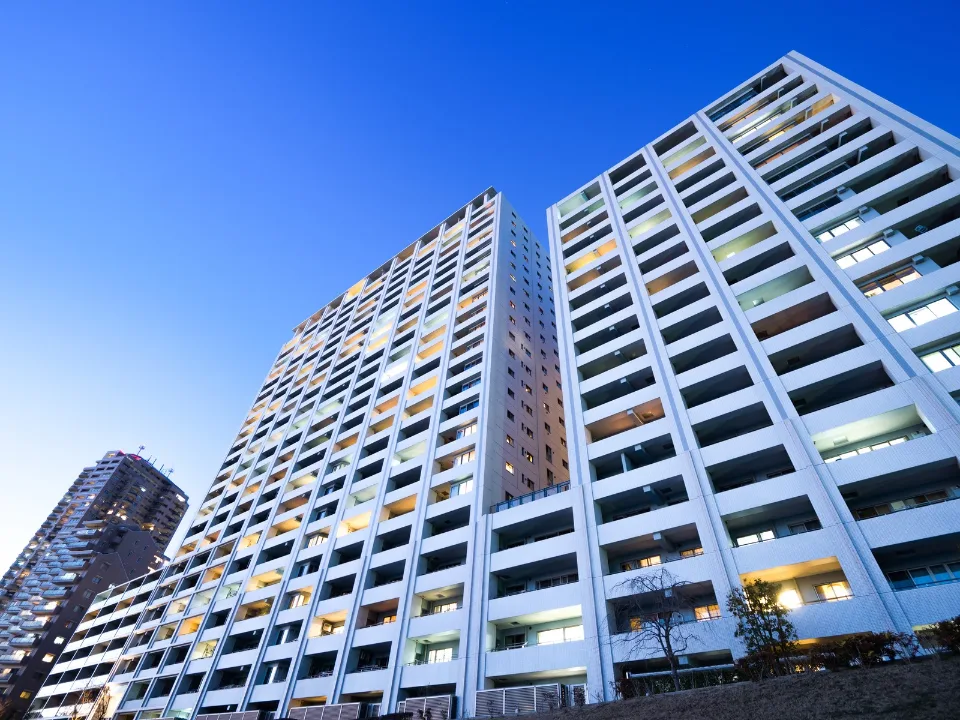
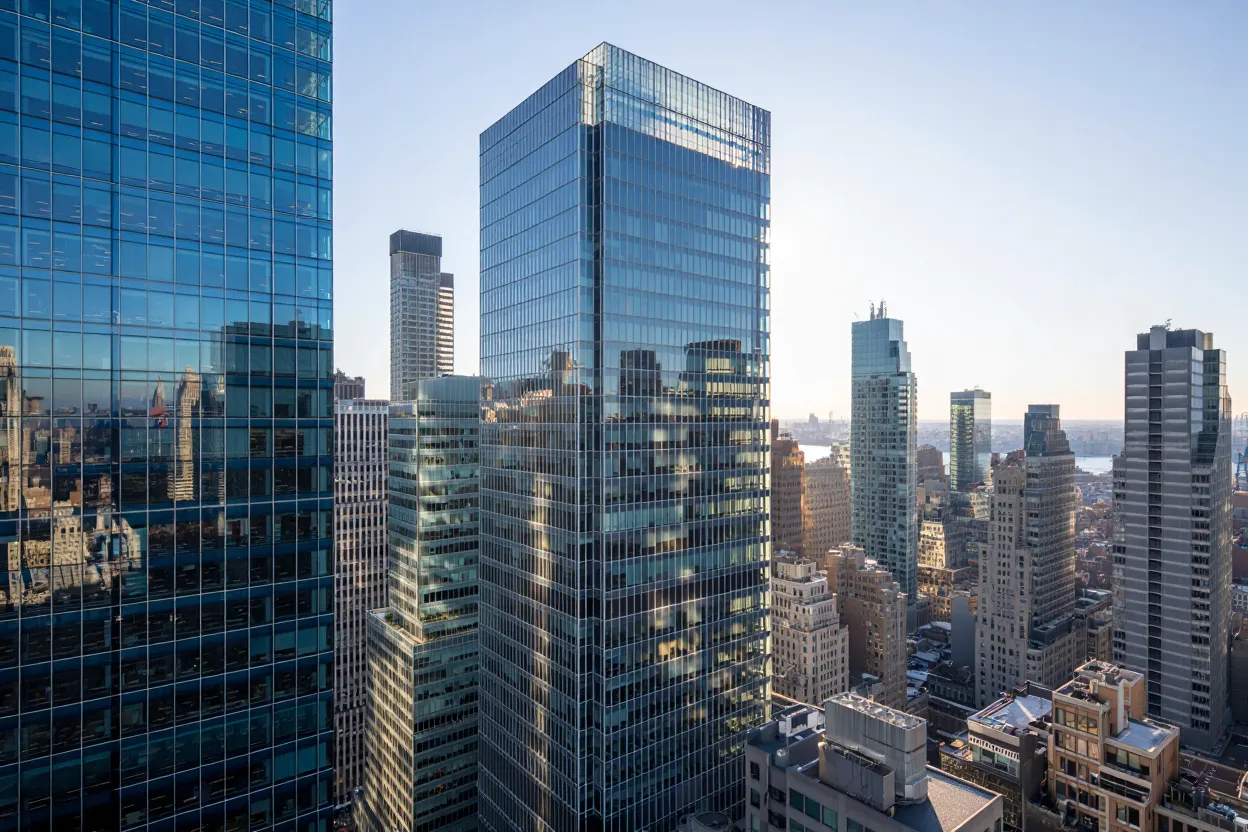
The month’s top transaction was Blackstone’s $730M sale of Park Avenue Tower in Midtown Manhattan to SL Green, shedding light on office demand—limited to high-quality, trophy assets, and traded at discounts. The second-largest deal, their $424M sale of Skyview Park in Queens, went to TPG, underlining private equity’s interest in high-density, stable cash flow assets. Additional Blackstone dispositions included the Streets of Woodfield retail center in Chicago for $69M.
Institutional interest also focused on logistics, illustrated by Clarion Partners’ $412M purchase of The Brickyard in Los Angeles, highlighting the premium paid for large urban infill logistics space. This demand aligns with recent data showing US CRE property prices edged higher in January after a prolonged slowdown.
Get Smarter about what matters in CRE
Stay ahead of trends in commercial real estate with CRE Daily – the free newsletter delivering everything you need to start your day in just 5-minutes
Market Trends and Implications
January’s core-sector CRE deal volume reached $20.8B, falling 15% year over year. Activity hit its lowest level since April 2024. Mega-funds and REITs continue to dominate the market with large, high-conviction deals. Meanwhile, tighter credit and pricing gaps slow middle-market transactions. Investors increasingly target logistics, multifamily, and data centers. Some also pursue niche sectors like student housing. However, traditional office and retail properties still struggle to regain pre-pandemic momentum.
A further trend gaining traction: direct government purchases of warehouse properties for conversion into ICE detention centers. Notable examples include facilities in Maryland and Arizona.
What’s Next
As Blackstone and its peers shift capital toward alternative and resilient CRE sectors, the competitive landscape will likely remain top-heavy. Money and debt are available for premium, large assets, but access is much tighter for middle-market players. Watch for continued portfolio pruning, sector bifurcation, and increased institutional interest in data centers and logistics as 2026 unfolds.