






- US apartment supply is slowing, but leasing backlogs will delay full market recovery.
- Major metros are normalizing at different rates, reflecting local construction histories.
- Roughly 350,000 units nationwide still need to be leased from recent years’ development.
- Rent growth and vacancy stabilization lag behind the end of the supply surge.
National Slowdown, Local Impact
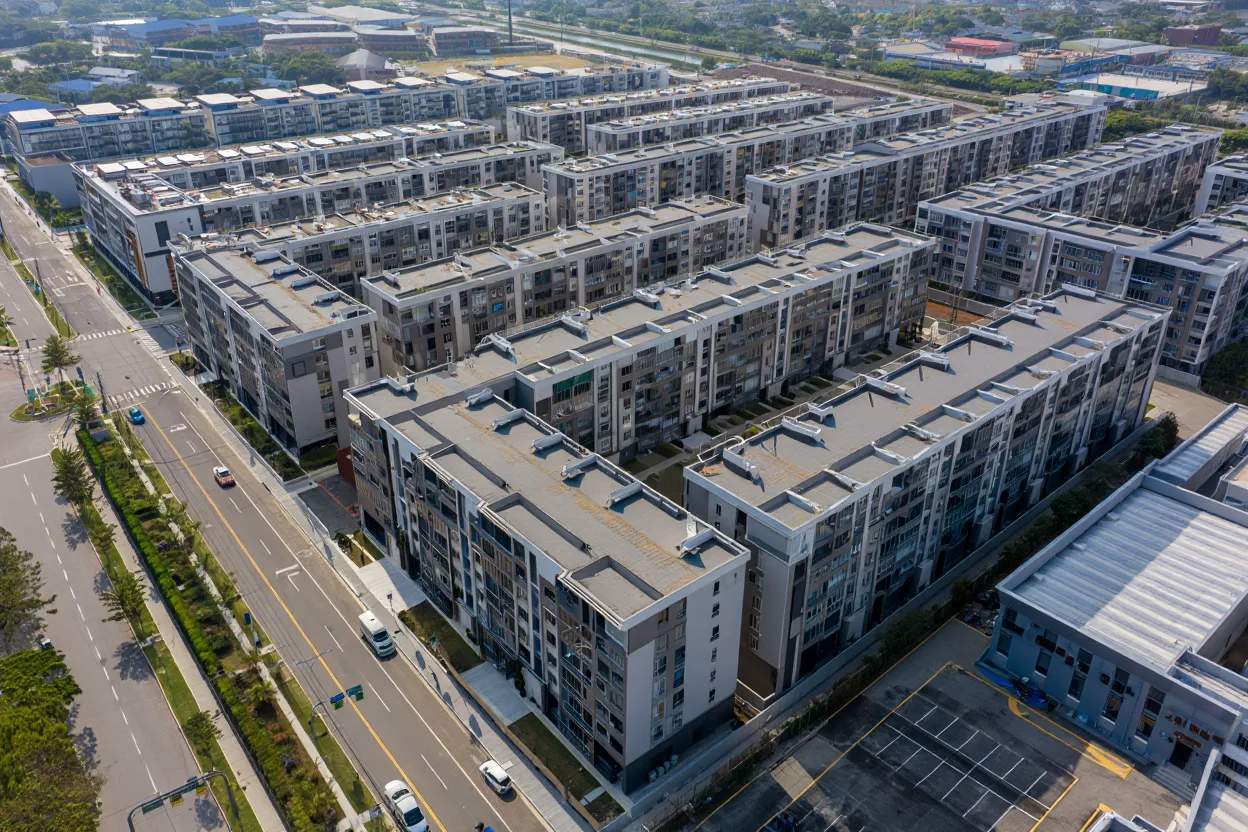
Globe St reports that the US apartment sector is shifting from a construction boom to a period of fewer new deliveries. CoStar’s Grant Montgomery said national apartment deliveries fell 25% last year. He expects deliveries to decline another 36% in 2026, dropping to about 333,000 units.
However, the national slowdown masks major local differences. Many metros are unwinding the recent supply surge at different speeds. Each market reflects its own construction cycle and development history.
Market Normalization Timelines
CoStar’s analysis benchmarks the top 50 US apartment markets to their pre-pandemic average delivery rates. Markets like Houston, Chicago, and Seattle have already dipped below historical levels, while Dallas–Fort Worth and Nashville are expected to normalize by late 2026. Some others—including Charlotte, Miami, and several Midwest cities—may not revert to historical supply levels until 2028 or beyond. These variations reflect staggered construction cycles and differing baseline delivery rates.
Get Smarter about what matters in CRE
Stay ahead of trends in commercial real estate with CRE Daily – the free newsletter delivering everything you need to start your day in just 5-minutes
Why Recovery Lags Supply
Despite slower apartment supply, a large leasing backlog remains. Nationwide, about 350,000 units delivered during the building boom still need tenants. For example, Dallas–Fort Worth may normalize deliveries by Q3 2026. However, rent growth may not return until those units are absorbed, possibly late in 2027. A stabilized vacancy rate near 7% also remains out of reach in many metros. This dynamic reflects broader real estate trends, where even strong property sectors face shifting capital markets and pricing pressures as cap rates compress across high-quality assets.
What’s Next for Owners and Investors
Knowing when a market exits its supply surge helps owners, lenders, and developers plan more reliably, even if recovery remains slow. Pricing, concessions, and capital strategies should be adjusted based on whether a market’s supply headwind is intensifying or finally plateauing. Ultimately, apartment supply trends now point to a more nuanced, locally driven cycle—one where normalization precedes true recovery and robust rent growth. Local absorption rates and market history will be critical for underwriting and investment decisions moving forward.