







- C-PACE financing volume jumped 63% in 2025 to $3.6B, up from $2.2B the prior year.
- Average C-PACE loan size doubled to $39M, with the largest at $465M in Washington DC.
- Florida led C-PACE lending in 2025, with New York City and other states seeing growing activity.
- Combination C-PACE and construction financing is an emerging trend for borrowers.
Record Year for C-PACE
C-PACE financing posted substantial growth last year, according to Bayview PACE, with volume soaring from $2.2B in 2024 to $3.6B in 2025. The data signals rapidly increasing acceptance of C-PACE as a mainstream capital component by CRE borrowers and lenders nationwide.
Transaction sizes also grew significantly, with the average loan nearly doubling to $39M and the largest nearing $500M. Flexible applications have made C-PACE attractive for multifamily and mixed-use projects, and reach is expanding across market types, reports Multi-Housing News.
Wider Adoption Across States
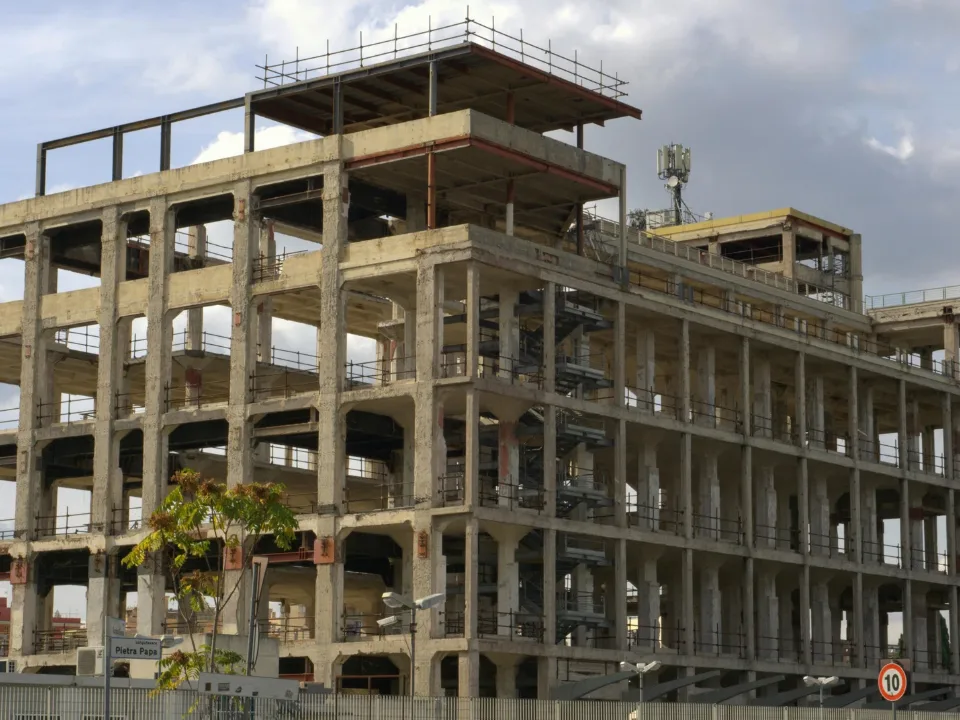
Florida recorded the most active C-PACE lending last year, driven by high-volume deals in Miami and South Florida. A standout $465M office-to-residential conversion in Washington DC represented the sector’s largest single transaction. The deal also reflects the broader momentum behind office-to-residential conversions as cities look for ways to repurpose underused buildings amid shifting workplace demand. While Florida led in 2025, Texas and California remain longtime C-PACE leaders, and recent regulatory changes have boosted New York City’s pipeline for 2026.
Get Smarter about what matters in CRE
Stay ahead of trends in commercial real estate with CRE Daily – the free newsletter delivering everything you need to start your day in just 5-minutes
New Applications and Broader Acceptance
Industry acceptance is fueling C-PACE’s rise, with more borrowers, lenders, and brokers using it to fill out the capital stack. Organizations like the Mortgage Bankers Association and ULI spotlight growing awareness and support. C-PACE program guidelines are broadening in many states, now covering resiliency and other construction components in addition to energy efficiency. Rate spreads are also narrowing, while combination C-PACE and construction lending is allowing for larger and more flexible financing packages.
What’s Next
Given its dramatic growth and wider adoption, C-PACE financing is poised for continued expansion in commercial real estate. The tool’s flexibility and new regulatory momentum—especially in places like New York City—signal another robust year ahead for C-PACE volume, with new applications and larger deals likely on the horizon.