




- The government shutdown, now in its 36th day, has disrupted key parts of the CRE industry.
- Leasing, development, and hospitality are slowing, especially in federal-heavy markets like D.C.
- HUD approvals, Section 8 funding, and flood insurance programs are at risk as agencies operate with minimal staff.
- GSA leasing activity is frozen, while travel cutbacks have hit hotel performance and sentiment.
CRE Feels the Weight of a Historic Shutdown
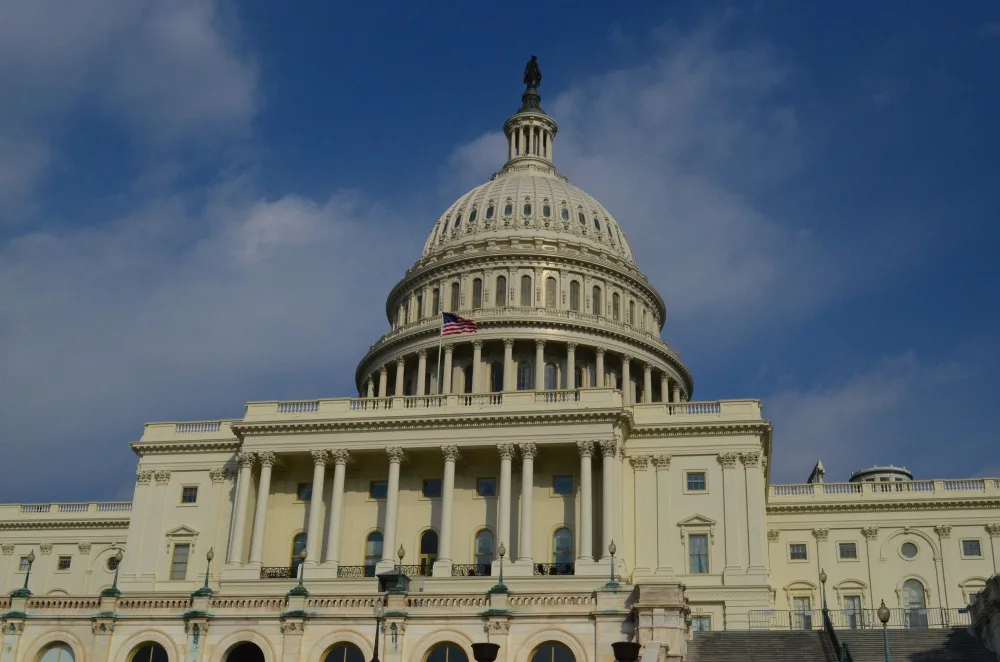
The US government shutdown, which began on Oct. 1, has entered uncharted territory, per Bisnow. At 36 days, it has officially become the longest in history. Its economic damage is spreading, and commercial real estate is squarely in its path.
Peachtree Group CEO Greg Friedman said global investors are paying attention. “When Washington stalls, it weakens the US brand as a reliable, stable market.”
HUD Paralysis Slows Housing Development
Housing and development projects are among the hardest hit. HUD is running on a skeleton crew, slowing inspections, loan approvals, and project reviews. Section 8 vouchers remain funded through mid-November, but risks grow beyond that point.
“If this goes into December, it’ll cause real problems for voucher holders and landlords,” said Mahdi Manji of the Inner City Law Center.
Brad West, policy director at the Supportive Housing Alliance, said the shutdown adds to an already unstable year. “Deals are harder to close. Certainty has disappeared, and that’s critical in real estate.”
Travel Disruptions Hammer Hospitality Sector
Unpaid air traffic controllers and TSA agents have triggered flight delays and long security lines. The FAA has started limiting incoming flights at some airports.
The US Travel Association estimates a $5B drop in travel spending since the shutdown began. Hotel demand has weakened, especially in Washington, D.C., where revenue per available room is down 20% year-over-year.
Driftwood Capital CEO Carlos Rodriguez Sr. said hotels that rely on government business are under pressure. Hilton has already factored shutdown losses into its Q4 forecast.
Get Smarter about what matters in CRE
Stay ahead of trends in commercial real estate with CRE Daily – the free newsletter delivering everything you need to start your day in just 5-minutes
GSA Leasing Comes to a Halt
The General Services Administration manages 173M SF of office space nationwide. About a quarter of that is in the D.C. area. Since the shutdown began, the GSA has paused most leasing and property disposal activity.
FD Stonewater Principal Norman Dong, a former GSA official, said lease awards require certified funding. “If the government isn’t funded, that certification can’t happen.”
The GSA is expected to make its October rent payments using carryover funds, but new leases and renewals are stalled. Staff furloughs are slowing pre-leasing work, including RFPs and market data prep.
An Uncertain Outlook for CRE
The shutdown landed just as real estate showed signs of recovery. MSCI Real Assets recently reported a 19% year-over-year rise in transaction volume. But that momentum is fading.
The Fed’s October rate cut lacked supporting data because of the shutdown. That uncertainty has widened risk spreads and slowed borrower activity.
Still, some see opportunity. “Periods like this often reveal the best entry points,” said Friedman. “Disciplined, liquid capital can move when confidence returns.”
What Comes Next
The Congressional Budget Office estimates the shutdown could cut 1% to 2% from Q4 GDP. If it stretches past mid-November, losses could hit $14B.
For now, CRE developers, lenders, and investors remain in wait-and-see mode. With no budget deal in sight, uncertainty continues to cloud one of the world’s largest real estate markets.