



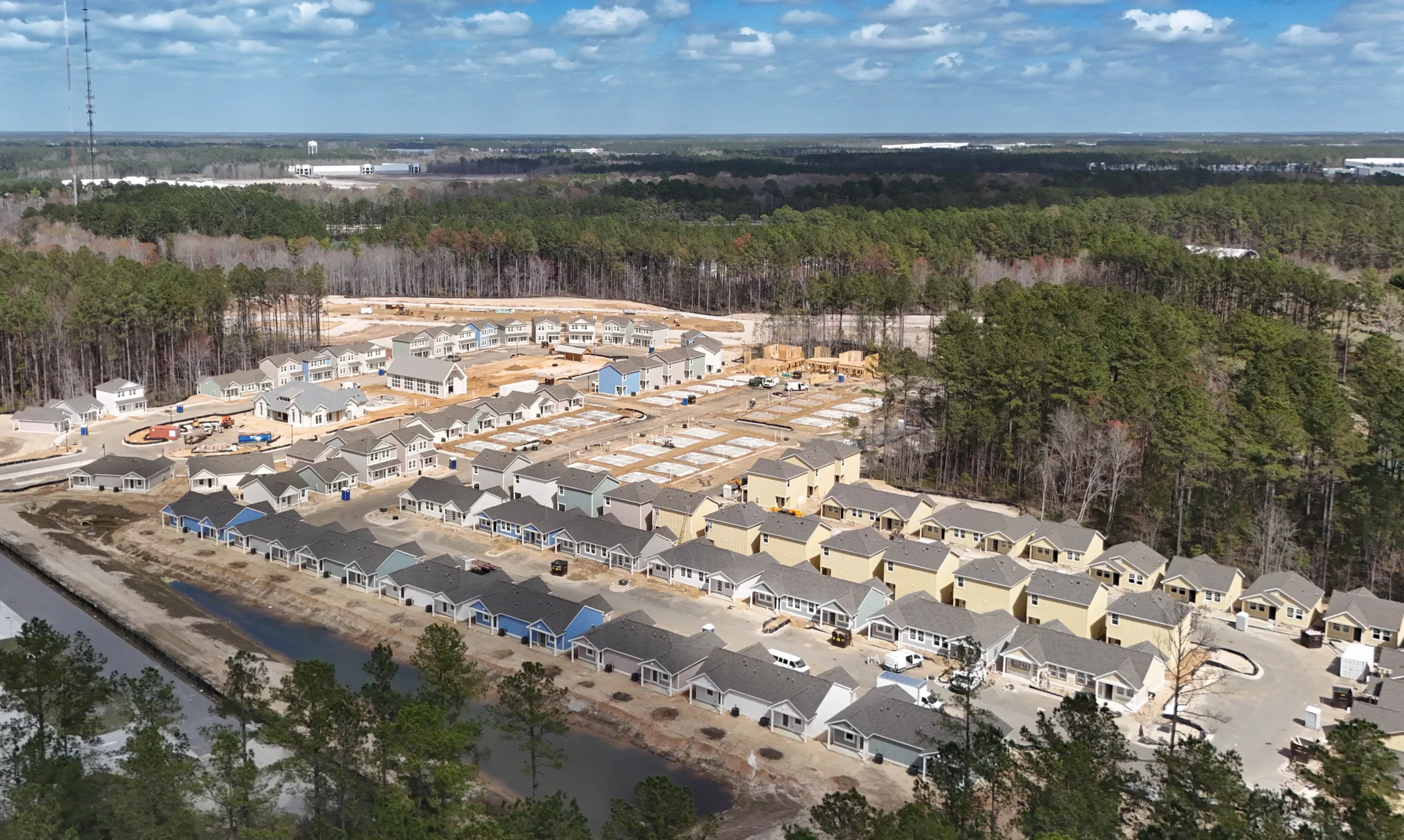

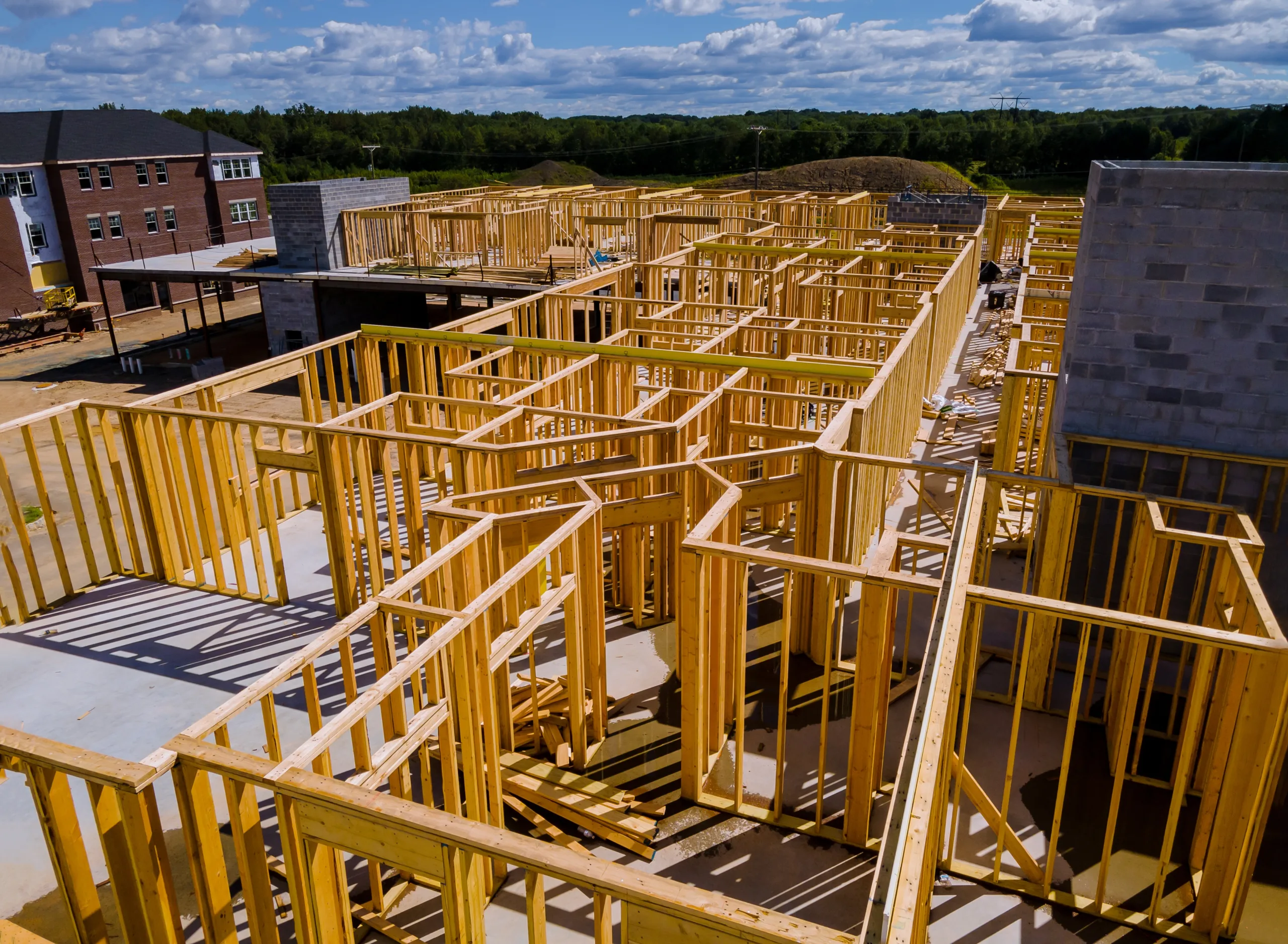
- Rental vacancy in the South reached 9.0% in Q2 2025, well above the national average and signaling an oversupply problem in the Sun Belt.
- Vacancies in city centers rose to 7.6%, compared to 6.7% in suburbs, showing where rent growth is weakening the most.
- Investors are shifting focus to the Midwest, suburbs, and coastal markets, which offer more stable demand and less new supply.
Urban Core Faces the Most Pressure
Globe St reports that US multifamily vacancy rose to 7.0% in Q2 2025, up from 6.6% a year earlier. The number is flat from Q1, which suggests a gradual softening instead of a sharp decline. But the impact isn’t spread evenly.
In city centers, vacancy hit 7.6%, compared to 6.7% in the suburbs and 5.8% in rural areas. This shows that the most strain is in urban areas, especially those with a lot of new, high-end units. Suburban and rural markets are holding up better, offering more stability for now.
Southern Oversupply Drives Vacancy Higher
Nowhere is the slowdown clearer than in the South. The region’s 9.0% vacancy rate is far above the Midwest (6.6%), Northeast (5.2%), and West (5.7%).
After years of fast building and investment, many Southern cities now have more apartments than short-term demand can handle. This comes even as population growth continues in many of these metros, adding complexity to investor decisions. Developers and investors were drawn by strong job growth, in-migration, and friendly zoning. But now, those same markets are offering bigger concessions, slower lease-ups, and weaker rent growth.
Midwest and Coasts Show More Stability
The Midwest’s 6.6% vacancy rate, slightly below the national average, shows steady demand and less risk from new supply. That makes it a safer option, especially for workforce housing and garden-style apartments.
In the Northeast and West, tighter vacancies (5.2% and 5.7%) support stronger rents. But these regions often come with higher costs and stricter regulations.
Investors Shift Toward Balanced Portfolios
With Southern markets under pressure, many national investors are adjusting their strategies. The new focus is on more balanced portfolios—mixing higher-growth markets with steadier ones.
Suburban areas, the Midwest, and some coastal cities offer fewer shocks and more reliable rent rolls. These markets can help offset weakness in oversupplied areas.
Why It Matters
A 7.0% national vacancy may not sound alarming on its own. But the real concern lies in how uneven that figure is across regions and cities.
Urban areas and Southern metros are feeling the most stress. That makes market-level analysis less useful than looking at specific neighborhoods and asset types.
Investors who adjust now—cutting back rent growth forecasts in crowded markets and leaning into stable areas—will be better prepared for what’s next.
Get Smarter about what matters in CRE
Stay ahead of trends in commercial real estate with CRE Daily – the free newsletter delivering everything you need to start your day in just 5-minutes