




- Property taxes by state can range from under 0.3% to over 2% in 2026.
- New Jersey and Illinois have the highest real estate property tax rates; Hawaii and Alabama the lowest.
- More than half of US states do not levy vehicle property taxes, but rates reach nearly 4% in Virginia.
- The average US household pays $3,119 yearly in property taxes, influencing costs for both homeowners and renters.
State Gaps in Property Tax Burden
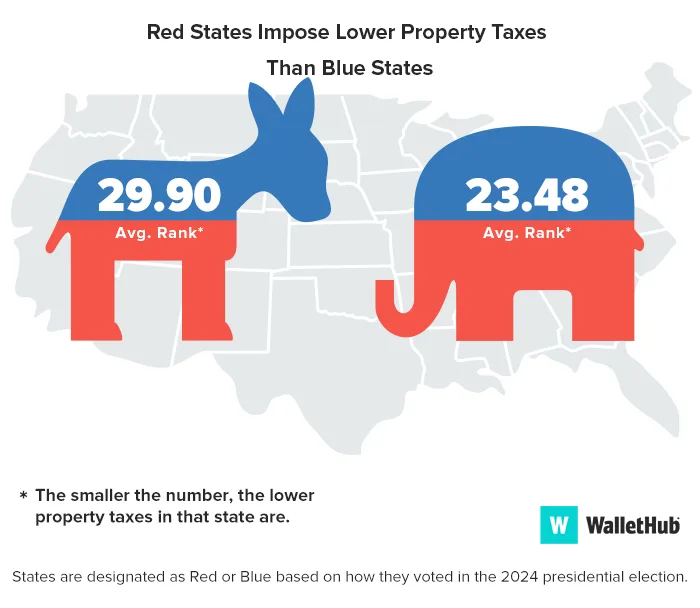
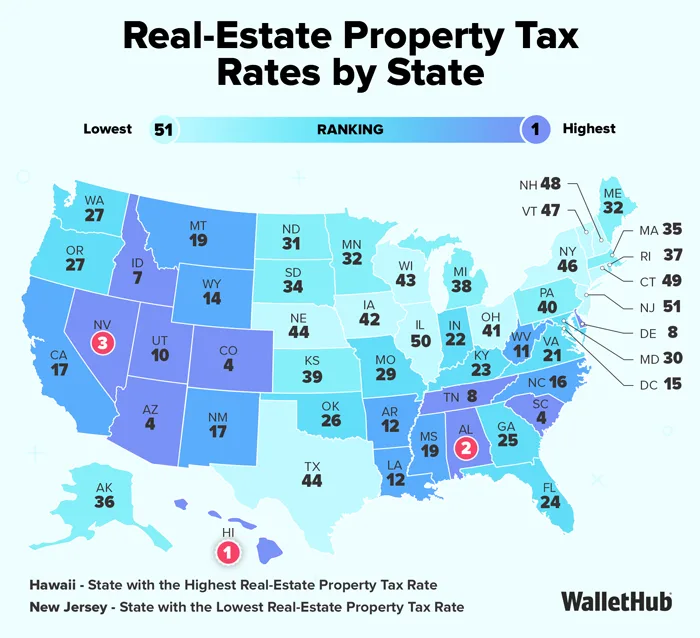
Property taxes by state show dramatic variation in 2026, both for real estate and vehicles. According to WalletHub, homeowners in New Jersey face the highest effective property tax rate at 2.11%, translating to $7,022 annually on a $332.7K home. By contrast, Hawaii residents pay an effective rate of just 0.27%, or $888 on the same value home, due to high property values paired with low rates.
Other states with low real estate property tax rates in 2026 include Alabama (0.38%) and Nevada (0.47%), while Illinois (2.01%), Connecticut (1.81%), and New Hampshire (1.66%) join New Jersey at the top for property tax costs.
Vehicle Property Taxes: Who Pays and How Much
Vehicle property tax is divided sharply across states. More than half—including California, Florida, Texas, and New York—do not impose an annual vehicle property tax. Where it is charged, rates are highly uneven. Virginia leads at 3.97%, making the annual tax $1,156 for a typical $29.1K car.
- States with zero vehicle property tax include Hawaii, Idaho, Delaware, Tennessee, and 20 others.
- Louisiana (0.10%) and Michigan (0.61%) represent the low end among states that do levy this tax.
- Missouri, Mississippi, and Virginia charge the highest rates—up to nearly 4%—impacting total ownership costs.
Get Smarter about what matters in CRE
Stay ahead of trends in commercial real estate with CRE Daily – the free newsletter delivering everything you need to start your day in just 5-minutes
Why It Matters for Residents and CRE
Property taxes by state are a key factor for investors, homeowners, and renters alike. In addition to directly affecting homeownership costs, high state property taxes can drive up rent and overall cost of living, as landlords often pass along these expenses. For CRE investors, property tax rates shape operating expenses and influence asset valuations across markets. Recent sector data shows property pricing trends continuing to diverge across asset classes, underscoring how fixed costs like taxes are playing a larger role in underwriting and valuation assumptions.
For those considering relocation or investment, factoring in state and local property tax burdens alongside overall cost of living is increasingly important in 2026’s competitive environment. Consulting up-to-date property taxes by state data helps in comparing total cost scenarios for both primary residences and investment assets.
What’s Next for Property Tax Policy
Property taxes by state may shift as policymakers debate tax reforms and as property values adjust post-pandemic. Some experts urge lawmakers to rethink which property types they tax and how they calculate rates. They argue reforms should balance fairness with stable municipal revenue.
For now, investors and homeowners must understand the full range of property taxes by state. This knowledge supports smarter financial planning and stronger CRE strategy in 2026.