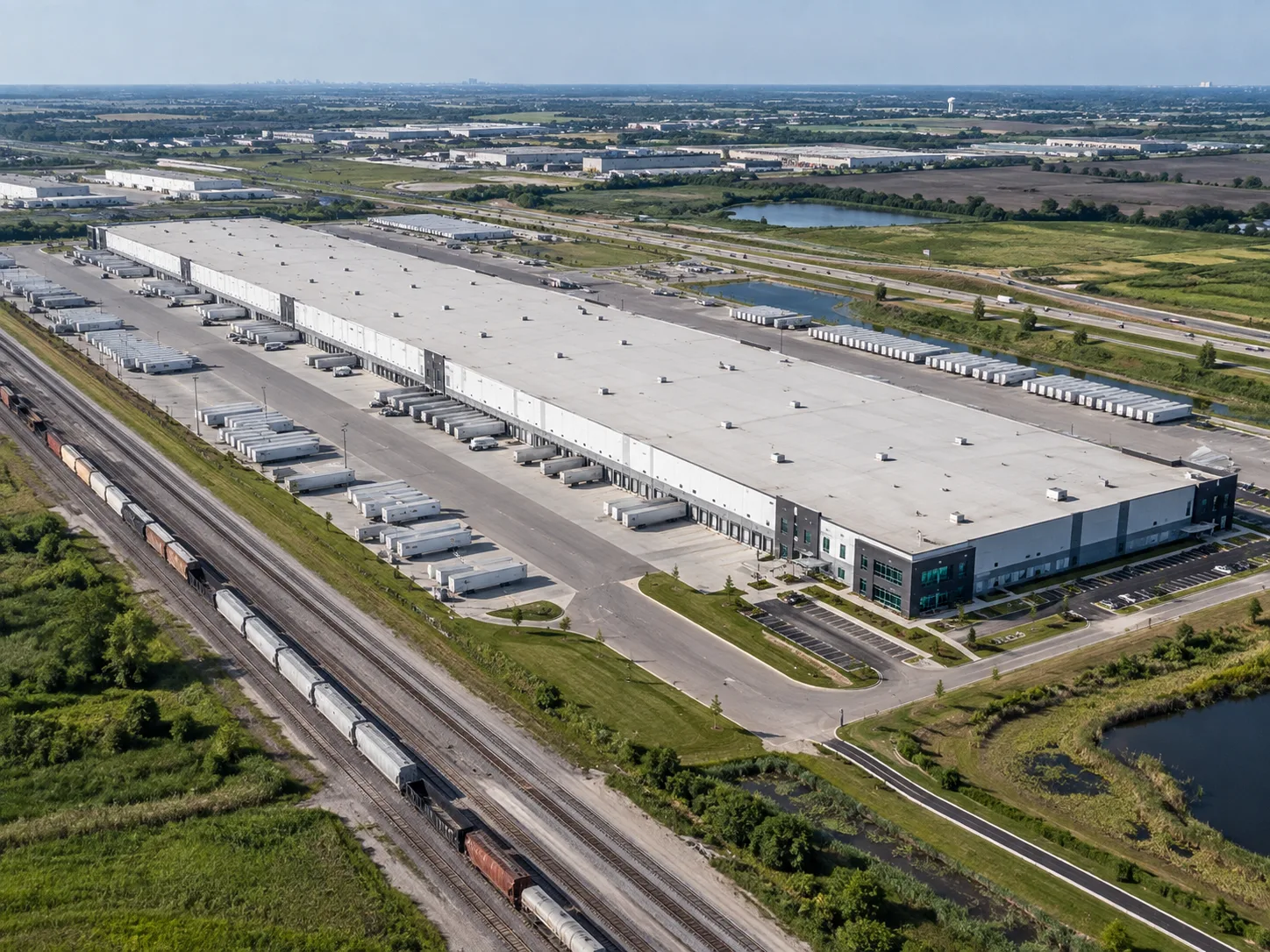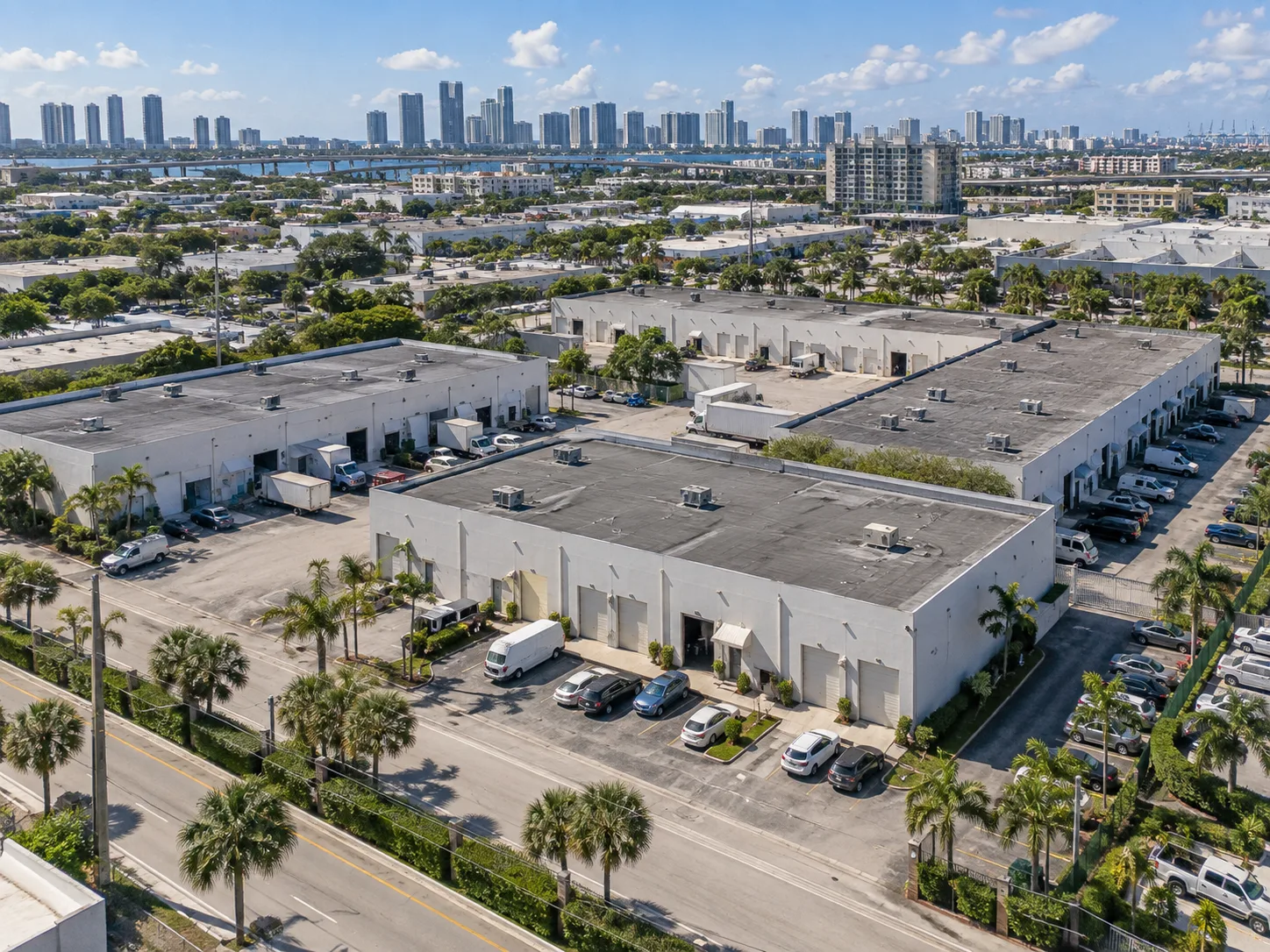





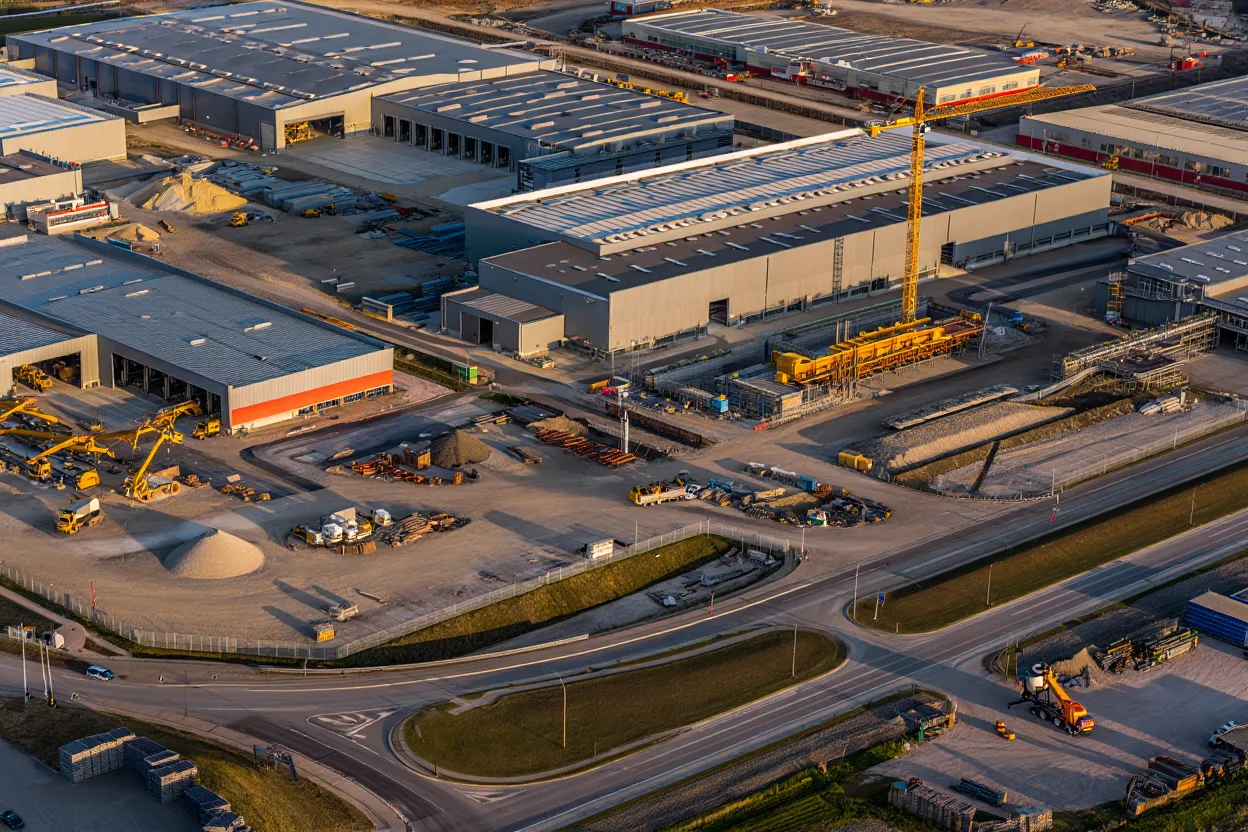
- Prologis is considering speculative construction across two dozen US markets as industrial leasing rebounds, according to Bisnow.
- The firm reports 67M SF in Q2 leasing, with a $3.1B development pipeline YTD and plans to reach $5B–$6.5B by year-end.
- Tenant demand, policy incentives, and stronger leasing are reshaping developer risk appetite in the industrial sector.
Manufacturing Incentives and Demand Shift
Industrial landlords are finally starting to shake off the post-pandemic malaise, with leasing appetite for big-block space bouncing back and developers scrambling to meet demand. Bisnow reports that a surge in logistics requirements and fresh federal incentives for US manufacturing are helping to tighten vacancies, flipping the mood among lenders and pushing speculative construction back onto the agenda.
According to industry observers, the sector is seeing its most competitive rush in years, as securing long-term leases for million-SF warehousing is attracting vast amounts of capital eager for yield. The renewed activity follows two years of market softness stemming from overbuilt supply and uncertainty around economic policy and global trade dynamics.
Get Smarter about what matters in CRE
Stay ahead of trends in commercial real estate with CRE Daily – the free newsletter delivering everything you need to start your day in just 5-minutes
The Details
Prologis, the world’s largest industrial landlord, broke ground on more new projects in H1 2026 than it did during all of 2025. On its Q2 earnings call, Prologis disclosed 67M SF in lease signings and said it could double its development pipeline by year-end. That momentum builds on the company’s recent record leasing activity, reinforcing signs that warehouse demand is strengthening across its portfolio. Quarter-to-date, the firm started 5.7M SF of new construction (75% build-to-suit) and reported $3.1B in starts, targeting a year-end range of $5B to $6.5B including data centers.
US industrial construction under way increased 10% year-over-year to 312M SF, according to Colliers, with three Texas metros (Dallas–Fort Worth, Houston, Austin) plus Phoenix and Atlanta accounting for 108M SF—over a third of national pipeline volume. Net absorption hit 114M SF in H1 2026, the sector’s strongest showing since 2023, per Cushman & Wakefield.
Supply and Leasing Dynamics Reset
This rebound follows a pandemic-era development surge that left landlords with a glut of empty space. By late 2025, US industrial vacancy had peaked near 1.5B SF. Q2 data now shows rapid absorption—the 318M SF in leases inked in the first half of 2026 is 20% above the same period last year, per Cushman & Wakefield. Site selection and land acquisition activity have also spiked, especially since the July 2026 passage of major federal manufacturing incentives in President Trump’s second term.
Industry research leads see speculative building accelerating most where rents have “caught up” to construction costs, notably in over two dozen key markets. Many of the first new spec projects are later phases of pandemic-vintage developments that had paused mid-cycle until leasing firmed up. Larger blocks (200K SF and up) are leading absorption, with developers quick to break ground on phase two as existing space leases up.
Why It Matters
For US industrial developers, the combination of surging tenant demand and pro-manufacturing policy is catalyzing a fast return to risk-on strategies. According to CBRE, US industrial completions hit a 12-year low in Q2 2026 (44M SF), so the fresh burst of construction comes from a suppressed base. Big-picture, this matters because it signals developers are betting 2026’s recovery is sustainable, not another short-lived blip.
Prologis’ 85% year-over-year jump in quarterly earnings per share (on $2.4B in revenue), alongside $1.8B in third-party acquisitions and $3.4B of new debt raised for co-investment ventures, shows capital flows and optimism are converging. Per Savills’ research, the clarity around market fundamentals, even amid volatile geopolitics and shifting trade rules, has reset lender and developer confidence in ways not seen since the first post-COVID cycle. The “One Big Beautiful Bill Act” and legacy policy tailwinds like the CHIPS Act are together broadening the industrial user base, with advanced manufacturing, data centers, chip plants, and logistics providers all fueling requirements for new space.
Going forward, market watchers like James Breeze of CBRE are urging caution amid the euphoria. Developers will be closely monitoring the take-up rate on this next wave of product: if early movers lease up, building will ramp further; if not, pace will slow again. Success or failure of this phase will shape construction pipelines for years—and decide whether the current optimism was well placed.
What’s Next
Prologis and its competitors are poised to accelerate starts through late 2026, especially in supply-constrained and Sun Belt markets. With more than two dozen US metros reportedly in line for new spec product, the focus will be on lease-up velocity and rental rate growth through year-end. Developers are expected to lean on federal incentives and market clarity as they seek to bring new and paused projects out of the ground. The pace of future groundbreakings will hinge on performance of the first wave of spec warehousing, both for logistics and advanced manufacturing. Market fundamentals will dictate if this rebound expands—or pauses again for further digestion.