




- Dallas is now considered on par with traditional gateway office markets for global capital.
- Sustained corporate relocations and population growth are driving office space demand.
- Institutional investors are rethinking outdated gateway definitions in office capital allocation.
- Dallas offers better infrastructure, tax environment, and connectivity than many legacy coastal markets.
Investor Momentum Builds
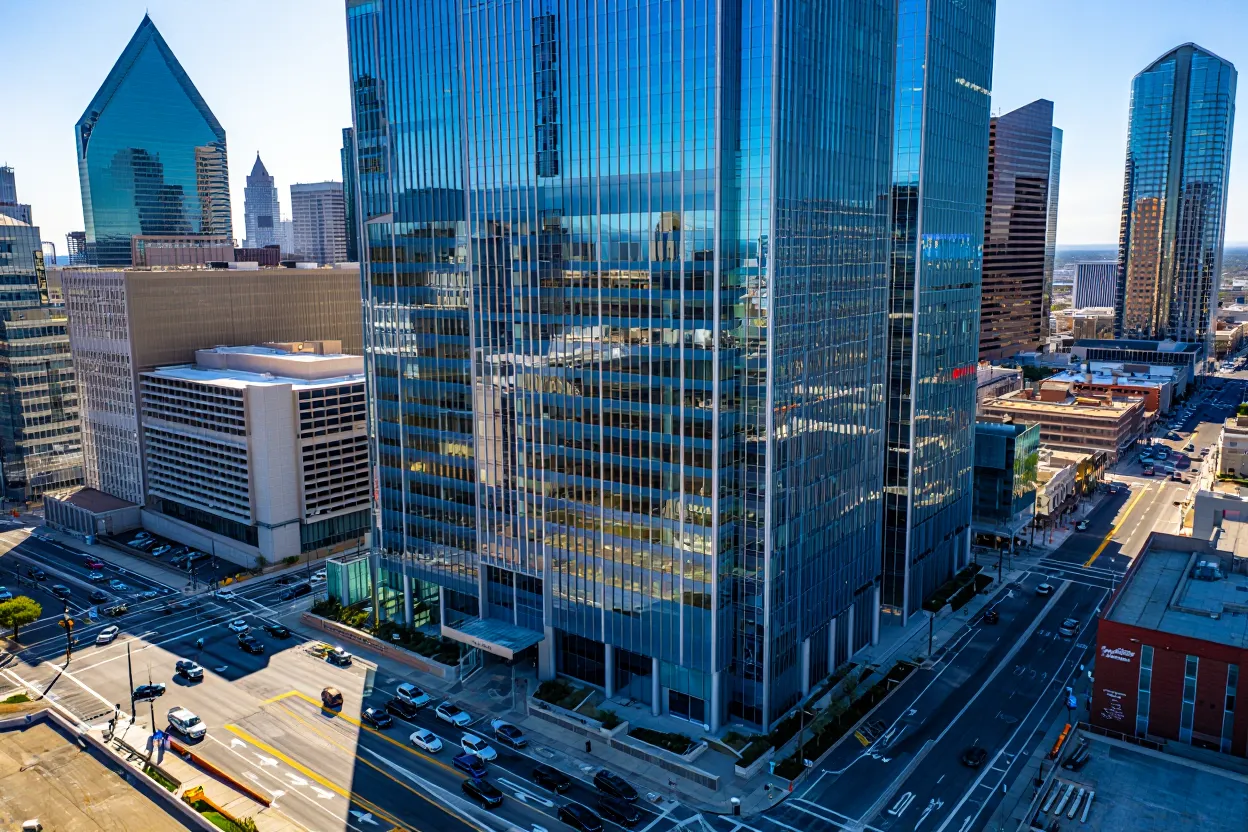
Dallas is emerging as a key player for global office capital, joining the ranks of New York and other traditional gateway markets, reports Globe St. JLL Capital Markets Senior Managing Director Mike McDonald points to deep structural shifts—such as corporate headquarters relocating to Dallas—that have fueled population growth and tenant demand.
Institutional capital, long focused on coastal cities, is responding to migration trends favoring Sun Belt metros like Dallas. These moves reflect a shift in strategy as investors seek markets with strong demographics and lower operating costs.
Get Smarter about what matters in CRE
Stay ahead of trends in commercial real estate with CRE Daily – the free newsletter delivering everything you need to start your day in just 5-minutes
Why It Matters
Diversion of office capital flows toward Dallas marks a departure from legacy frameworks that prioritized New York, Boston, and other coastal hubs. More than 100 corporate headquarters have relocated to Dallas since the late 2010s. This trend increases demand for high-quality office space and attracts a wider range of investors.
Features like Dallas’ Central Time Zone, two major airports, and favorable tax environment differentiate it from peers, making it more attractive for national and global occupiers.
A New Class of Buyers
Recent asset sales like 2000 McKinney and Texas Capital Center have demonstrated Dallas’ buyer depth, drawing both opportunity funds and “core” capital. Investors are gaining confidence in underwriting rent growth, managing lease-up risk, and securing exit liquidity comparable to legacy gateway markets. This momentum aligns with broader shifts in office leasing activity and demand patterns across key US markets. This investor behavior reflects Dallas’ evolution into a true gateway market for office capital.
This investor behavior reflects Dallas’ evolution into a true gateway market for office capital.
What’s Next
Dallas continues to gain from a virtuous circle of talent influx, corporate occupier demand, and institutional investment. Stakeholders who treat Dallas as peripheral may risk falling behind prevailing market trends. As demographic and migration data drive capital flows, Dallas stands at the forefront of a reshaped office investment landscape.