






- Investors are prioritizing grocery-anchored retail centers and other necessity-based assets for their stable occupancy and dependable income streams.
- Years of limited retail development have tightened supply, giving landlords greater pricing power and expanding investor interest into power centers and strip retail.
- Improving lender competition and more flexible financing terms are helping drive larger retail transactions and bringing institutional capital back into the market.
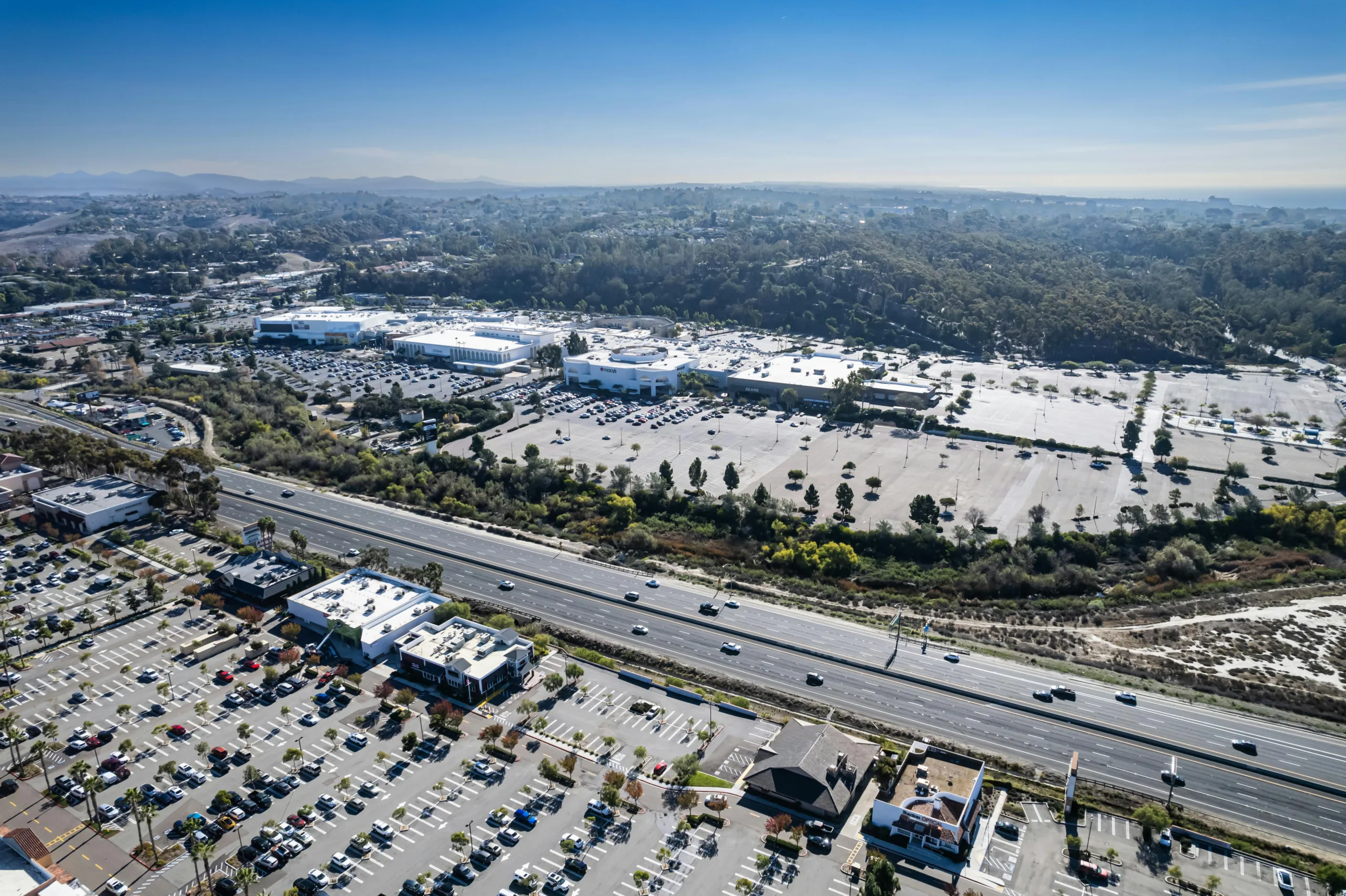
Retail real estate is entering ICSC Las Vegas with a different narrative than it carried just a few years ago, reports Globe St. Instead of focusing on pandemic-era distress, investors and operators are increasingly zeroing in on the sector’s stable cash flow, constrained supply, and improving access to capital.
That shift is especially visible in necessity-based retail, where grocery-anchored shopping centers continue to attract outsized investor demand. Bryan Ley, managing director of investment sales at Northmarq, told GlobeSt.com that “necessity-based retail is having a moment” as buyers prioritize assets with reliable performance during a still-uncertain economic cycle.
Get Smarter about what matters in CRE
Stay ahead of trends in commercial real estate with CRE Daily – the free newsletter delivering everything you need to start your day in just 5-minutes
Why Grocery-Anchored Retail Is Leading
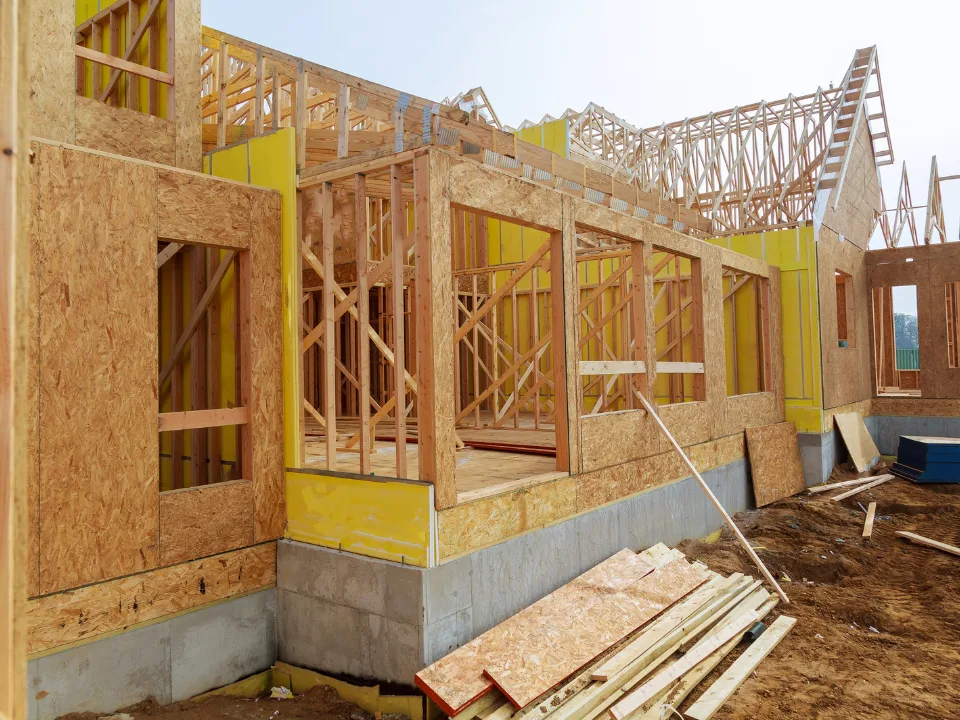
Grocery-anchored centers rank among retail’s strongest-performing asset classes. They pair daily-use tenants with steady consumer traffic. Developers added little new retail supply in recent years. As a result, vacancy tightened and occupancy rates climbed across many markets.
Limited construction also strengthened landlords’ pricing power. Landlords pushed rents higher in Sun Belt metros and infill suburban trade areas. Meanwhile, investors chased stable income streams through grocery-anchored retail. Many targeted stabilized properties with long-term tenant rosters.
The Details
According to Northmarq, investor appetite is now extending beyond grocery-anchored assets into power centers and unanchored strip retail. Those properties typically trade at higher cap rates than core grocery-anchored centers, creating opportunities for investors to generate value through leasing, tenant repositioning, and operational improvements.
The buyer pool is also widening. Groups that historically focused on multifamily, office, or industrial assets are increasingly evaluating retail deals as the sector’s fundamentals improve. At the same time, lenders are becoming more competitive, offering borrowers more flexible financing structures and helping facilitate larger transactions.
Ley noted that both institutional and private capital are returning to retail in a more meaningful way as confidence in the sector improves. That trend is increasing demand for advisory and financing services tied to acquisition and refinancing activity.
Retail’s Supply Constraints Reshape the Market
Retail’s current momentum is tied closely to a broader supply-demand imbalance. Per CBRE’s 2026 retail outlook, the US retail sector remains historically undersupplied following years of muted construction activity after the pandemic and the pre-2020 retail downturn. That trend mirrors New York City’s housing market, where limited construction continues tightening supply despite strong demand.
Unlike multifamily or industrial, where development pipelines expanded rapidly in recent years, retail construction has stayed relatively restrained. That dynamic has insulated many shopping centers from oversupply pressures and helped preserve occupancy gains.
The result is a market where investors are increasingly willing to accept retail exposure in exchange for predictable cash flow and stronger risk-adjusted returns. Higher-yielding retail formats, including neighborhood strip centers, are benefiting from that recalibration.
Why It Matters
Retail’s rebound signals a broader shift in investor priorities toward income durability and supply-constrained sectors. Grocery-anchored retail, in particular, is benefiting from consumer spending patterns tied to everyday needs rather than discretionary purchases.
The sector’s improving fundamentals are also changing how lenders view retail risk. More competitive debt markets and borrower-friendly loan terms suggest financial institutions are becoming more comfortable underwriting retail acquisitions again, a notable shift from the caution seen during and immediately after the pandemic.
For investors, that combination of tight supply, resilient tenant demand, and accessible financing is making retail one of the more attractive defensive plays in commercial real estate.
What’s Next
Conversations at ICSC Las Vegas are likely to center on how long retail’s supply constraints can continue supporting rent growth and pricing. Investors will also be watching whether developers begin ramping up new retail construction in response to stronger fundamentals.
In the near term, market participants expect capital to continue flowing into grocery-anchored centers, power centers, and well-located strip retail. If financing conditions remain favorable and construction stays limited, retail could maintain its position as one of CRE’s more stable asset classes through 2026.