






- Mark IV Capital broke ground in October on a 41,521 SF plaza at The District in Round Rock, with six single-story buildings and room for nine to 14 restaurant and lifestyle tenants.
- The plaza is the project’s second vertical phase and is due in 2028, alongside the 316-unit Origin apartments that began construction in March with $86M in funding.
- Mark IV says Round Rock’s growth has outrun quality restaurant supply in one of the country’s tightest retail markets, so the open question is which operators win space.
Mark IV Capital started work in October on a 41,521 SF restaurant plaza at The District, the $1 billion mixed-use project in Round Rock that faces Dell Technologies’ headquarters, the Houston Chronicle reported.
The plaza is the second building phase to go vertical on the 65-acre site, at State Highway 45 and Interstate 35, and it follows an apartment tower already rising next door.
Get Smarter About What Matters in Texas
Subscribe to our free newsletter covering the biggest commercial real estate stories across Texas — delivered in just 5 minutes.
Six Buildings, Up to 14 Brands
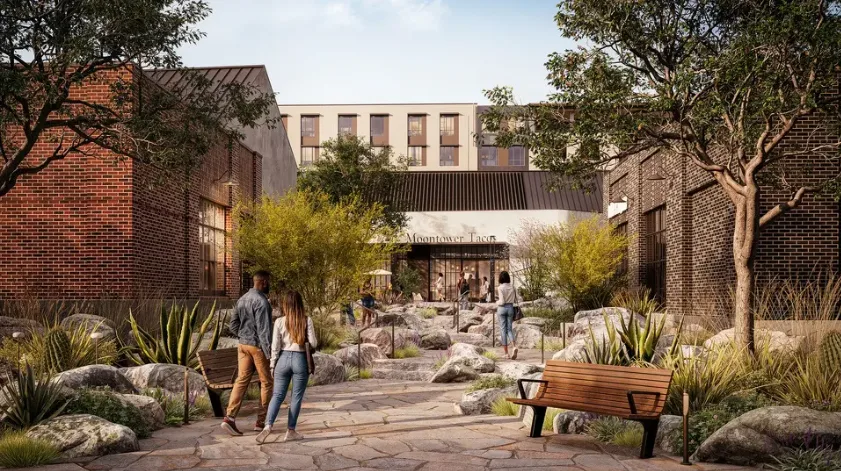
The plaza will feature six single-story buildings. Together, they can accommodate nine to 14 restaurant and lifestyle tenants. The Chronicle reported that completion is expected in 2028.
Meanwhile, The Real Deal, citing the Austin Business Journal, reported that two buildings will house single-tenant restaurants. The other four will accommodate multiple tenants.
The design takes inspiration from a Hill Country creek walk. It will feature patio dining, native plants, boulders and brick. The project team includes KFM Engineering & Design, STG Design, RVi Planning + Landscape Architecture and W. E. O’Neil Construction.
Mark IV sees the plaza as a way to serve a trade area that has outgrown its dining options. Therefore, the development will make room for chef-driven restaurants, fitness concepts and experiential tenants.
Origin Anchors the Residential Side
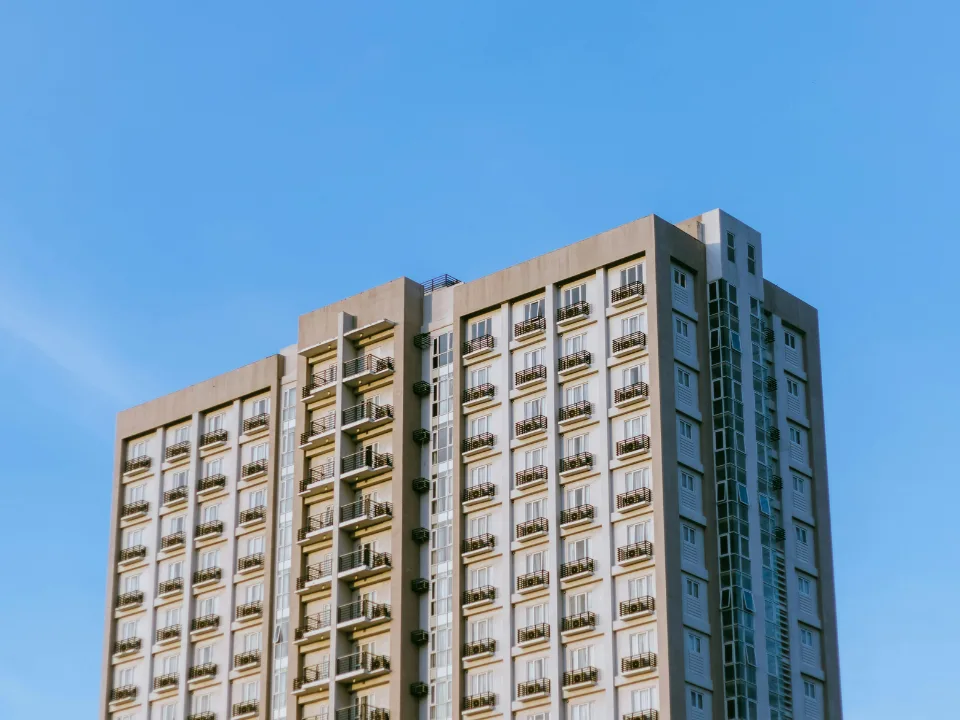
Next door, the seven-story Origin broke ground in March with $86 million in funding. The Chronicle reported the figure, citing Wilco Grind. In addition, the building will include 23,000 SF of ground-floor retail. Delivery is targeted for 2028.
BDT & MSD Partners led the construction loan for the first phase. An Apollo affiliate also joined the financing. Meanwhile, George Smith Partners arranged the debt, according to the Chronicle.
A Long Road to Groundbreaking
Mark IV bought the land from Dell in 2016. A year later, the developer pitched the project to city leaders, the Chronicle reported. Its account cited a March 2025 city release.
Officials expect full build-out by 2039. They also project roughly $40 million in city revenue over 20 years.
The plan has grown considerably since its early days. According to The Real Deal, citing the Austin Business Journal, it began as a $200 million, 1 million SF project. However, the cost has since surpassed $1 billion. The pandemic and shifting plans also stretched the timeline.
Mark IV secured approval in 2019. However, infrastructure work did not begin until six years later.
The full development now includes 1,500 residences, 300 hotel rooms and 150,000 SF of retail. It will also feature 3 million SF of office space. The Chronicle estimates the project could generate more than 5,000 permanent jobs.
Why It Matters
Randall Tuller, senior vice president at Mark IV Capital Texas, told the Chronicle that metro Austin is one of the nation’s tightest retail markets. He added that Round Rock’s growth has outpaced the supply of quality restaurant space for some time.
This shortage reflects a broader trend. CRE Daily’s coverage of falling retail vacancy shows how tight the retail market has become.
The project also has a built-in customer base. Dell’s headquarters employs more than 11,000 people, the Chronicle reported. Additionally, Mark IV told the Austin Business Journal that more than 1 million people live within a 20-minute drive, according to The Real Deal.
Nearby destinations could provide further demand. These include Apple’s campus, Tesla’s Gigafactory, Austin-Bergstrom International Airport and the University of Texas, the Chronicle reported. As a result, the restaurant-heavy center could draw both daytime workers and nearby residents.
What’s Next
Tuller told the Chronicle that the key question is which operators will capture demand from opening day. Therefore, the tenant lineup will be worth watching as the plaza approaches its planned 2028 completion.
The office component presents another major test. At 3 million SF, it will help determine whether the corridor can attract enough demand for Class A space.
Finally, the District sits in Williamson County, part of the same growth belt as the Taylor Technology Campus data center. Together, these projects highlight the capital flowing into Austin’s northern edge.