




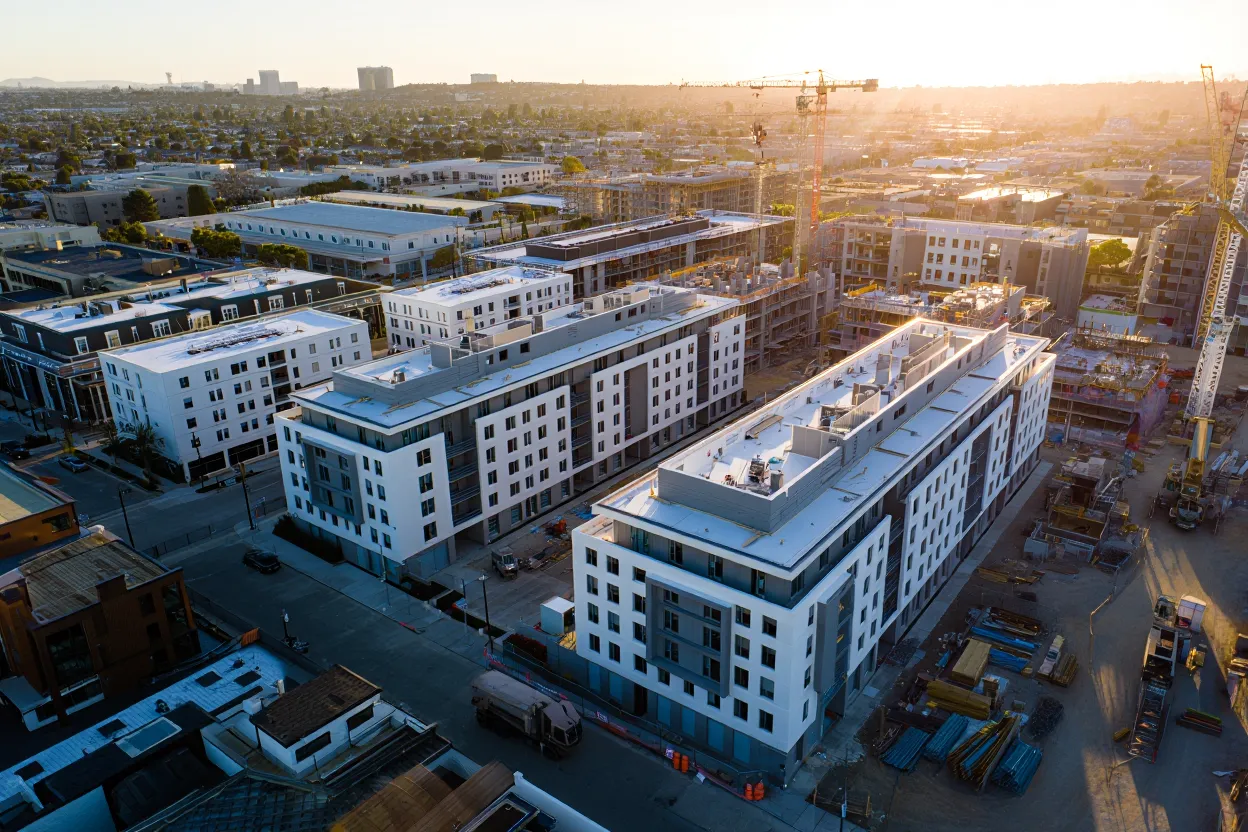



- Los Angeles City Council may put a Measure ULA amendment on the November ballot to exempt new multifamily buildings from the transfer tax for a decade.
- Under the proposal, apartment buildings sold within 10 years of construction would avoid the 4–5.5% levy; ULA revenue has fallen short of initial projections.
- Data shows multifamily transactions and new development both sharply declined after ULA’s adoption, fueling debate on CRE investment and housing supply impacts.
ULA Faces Pushback From Developers and Investors
According to the Commercial Observer, the City Council voted 9–5 to draft a ballot measure that could carve out a major exemption to the city’s Measure ULA transfer tax. The proposed change would let newly built apartment projects skip the 4%–5.5% levy if sold within a decade of construction. That proposal now heads to the city attorney for drafting and must return for final council approval before Los Angeles voters have their say in November. If approved, the revision would target one of the most heavily scrutinized aspects of L.A.’s real estate regulation since ULA took effect in April 2023.
Measure ULA supporters originally framed the transfer tax as a tool for affordable housing and homelessness prevention. But critics say its broad application to all commercial assets—not just luxury housing—has choked new development. CRE data cited by Rand Corporation shows sharp declines in deal activity and project starts since ULA’s rollout, sparking calls for reform.
Get Smarter about what matters in CRE
Stay ahead of trends in commercial real estate with CRE Daily – the free newsletter delivering everything you need to start your day in just 5-minutes
The End of ‘Blanket’ Taxation
When ULA passed, it hit nearly all property sales above $5.3M with a 4% tax, with a higher 5.5% bracket for deals beyond $10.6M. Despite being labeled a “mansion tax,” it soon encompassed multifamily, office, and other commercial transactions. By mid-2026, ULA raised $1.19B for affordable housing, tenant support, and eviction defense—substantially below the $2.7B forecast by its architects, per the City Council. Developers say this shortfall exposes a mismatch between policy intent and economic reality.
Rand’s numbers show why opposition has mounted. Since April 2023, high-value CRE deals fell 31%, but the damage to multifamily and commercial asset trading is deeper—over a 46% drop. Large-scale apartment development starts are down 30%, according to Rand. Market voices like Cityview CEO Sean Burton say the result is a pipeline freeze, with his firm underwriting no new L.A. apartment projects since ULA passed.
CRE Investment Stalls Under ULA
Council members who back the rollback argue ULA’s original language failed to anticipate its chilling effect on new product supply. While ULA has generated over a billion dollars for housing programs, the tax’s impact on the construction pipeline has outpaced its fiscal gains. Multifamily developers and investors cite ULA as the primary reason behind stalled or abandoned projects. However, supporters point to higher interest rates and pandemic hangover as bigger contributors. They warn that carving out exemptions could reduce annual affordable housing funding by tens of millions, undermining tenant protections and social services.
Wednesday’s council session also approved a draft exemption for homeowners affected by the Palisades fire, delaying ULA-related levies on those parcels for five years retroactive to January 2025. Lawmakers representing those neighborhoods said recovery from the fire has been hampered by the measure’s opaque application and resulting regulatory logjam.
Why It Matters
A ULA carveout could quickly change multifamily development economics in Los Angeles. Project sponsors, lenders, and brokers would likely reassess project risks. The city has seen fewer high-value property sales and a 30% drop in apartment starts since 2023, according to Rand Corporation. Meanwhile, ULA raised just $1.19B, far below the projected $2.7B. Supporters and critics now question the policy’s design for different reasons.
Developers often cite ULA as a major hurdle. Some paused apartment projects, while others shifted activity outside Los Angeles. Cityview’s CEO said the firm’s pipeline for new Los Angeles projects is effectively empty. Recent market data also shows investors have pulled back from Los Angeles multifamily deals, deepening the slowdown. The slowdown also hurts office, hotel, and retail transactions. As a result, tax revenue falls and funding pressures grow for programs ULA aimed to support.
However, housing advocates warn that new exemptions could reduce funding for affordable housing and tenant programs by tens of millions. Interest rates remain high, and construction costs keep rising. The coming months will show whether city leaders prioritize fiscal flexibility or program funding.
What’s Next
The city attorney plans to deliver ballot language for the multifamily exemption and the Palisades fire carveout soon. If the City Council approves the proposals, voters will decide this November whether to favor apartment supply and deal flow over dedicated affordable housing revenue. CRE professionals should watch for final language and shifts in investor sentiment. The decision could reshape development economics and housing policy for years.