







- A federal judge invalidated HUD’s proposed changes to federal homelessness funding, siding with 21 states and Washington, D.C.
- The contested policy would have redirected funds from permanent supportive housing to transitional programs with work requirements.
- This ruling preserves the Housing First approach in federal homeless funding, but future regulatory attempts remain possible.
The Legal Roadblock to HUD’s Policy Shift
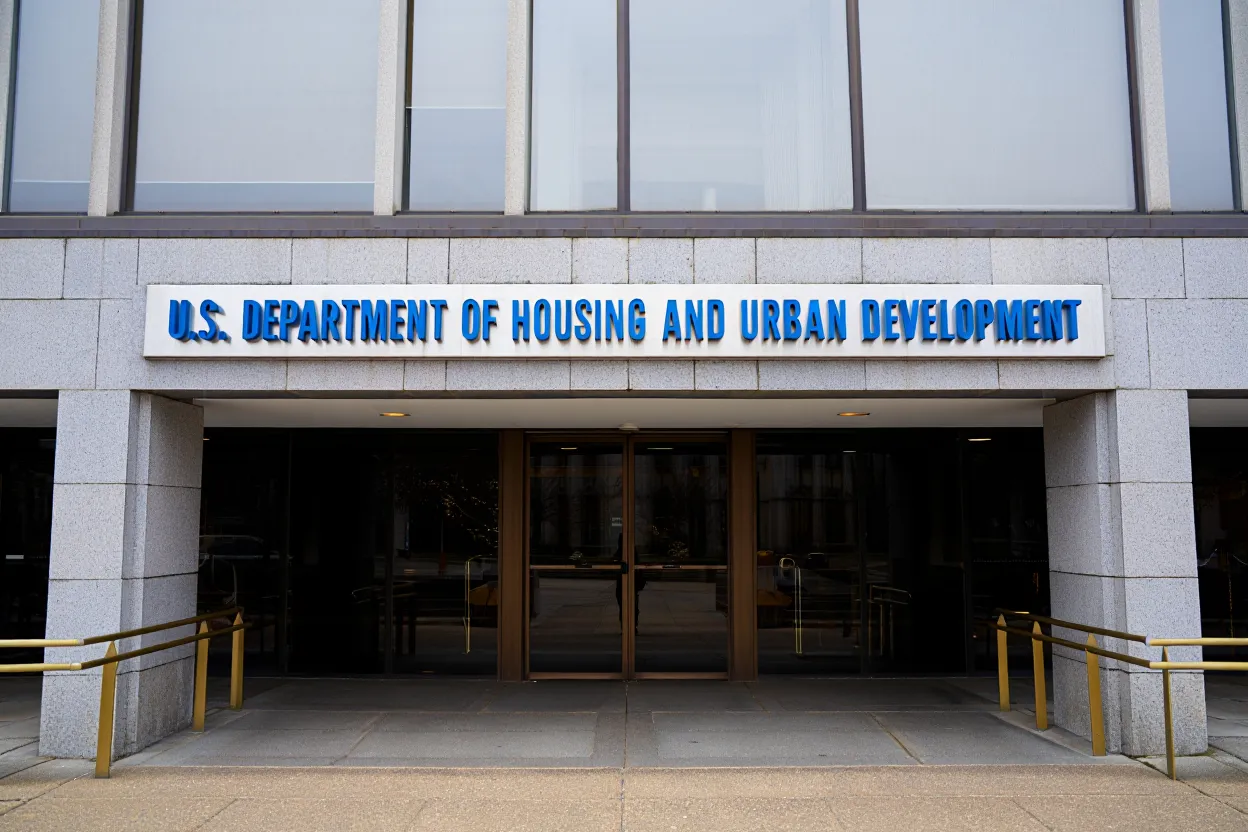
In a decision impacting national affordable housing, a US District Judge in Rhode Island ruled the Trump administration’s attempt to overhaul homelessness funding violated federal law, per Bisnow. Housing providers and advocates from 21 states and Washington, D.C., challenged sweeping changes to the $3B Continuum of Care program—HUD’s largest homelessness grant initiative—after the administration moved to abruptly reduce funding for permanent supportive housing.
Judge Mary McElroy stated HUD failed to consider the operational impacts on providers and vulnerable residents. Her ruling cited “unreasoned decision making” in eliminating the Housing First model—an approach prioritizing stable housing without preconditions, which has been a cornerstone of federal homelessness policy for years.
Get Smarter about what matters in CRE
Stay ahead of trends in commercial real estate with CRE Daily – the free newsletter delivering everything you need to start your day in just 5-minutes
The Details
The proposal cut permanent housing support from 90% of federal funding to 30%. It redirected the remaining funds to transitional housing. It also favored programs with work requirements and mandatory services.
The administration introduced the changes without advance notice. As a result, advocates and providers rushed to comply. The proposal also favored cities enforcing public camping bans. It penalized programs with perceived racial or LGBTQ+ priorities.
Cities and nonprofits challenged the rules in court. Judge McElroy blocked the changes from taking effect. For now, existing funding rules remain in place.
Battle Over Housing First Model
The case highlights a growing debate over the Housing First model. HUD tied funding to work requirements and camping bans. That marked a major shift from previous Democratic and Republican policies. The proposed funding shift also reflected a broader effort to prioritize treatment and transitional programs over permanent housing.
Housing First prioritizes stable housing before addressing addiction or unemployment. The approach remains politically divisive. According to Bloomberg, more than $3B in annual federal aid is at stake. Over 400 Continuum of Care grantees rely on that funding.
Why It Matters
The ruling protects immediate access to federal funding. Cities and nonprofits can continue supporting permanent housing programs. The National Alliance to End Homelessness links this approach to lasting reductions in homelessness.
A funding disruption could have forced major service cuts. It also could have required costly operational changes. Judge McElroy criticized the administration’s “unreasoned decision making.” His ruling signals judicial resistance to major regulatory changes without evidence or stakeholder input.
Still, the decision is not final. The judge denied a permanent injunction. HUD can still revise the rules through a stronger regulatory process.
For now, states and providers keep access to more than $3B in federal homelessness funding. That support remains critical as housing shortages and economic pressures continue. Meanwhile, HUD’s criticism of Housing First reflects an ongoing debate over homelessness policy and public accountability.
What’s Next
The court blocked the immediate changes. However, HUD can reintroduce them through a more deliberate rulemaking process. Affordable housing stakeholders should monitor future administrative and legislative actions. For now, the ruling preserves existing funding rules. However, political divisions and housing challenges keep the debate far from over.