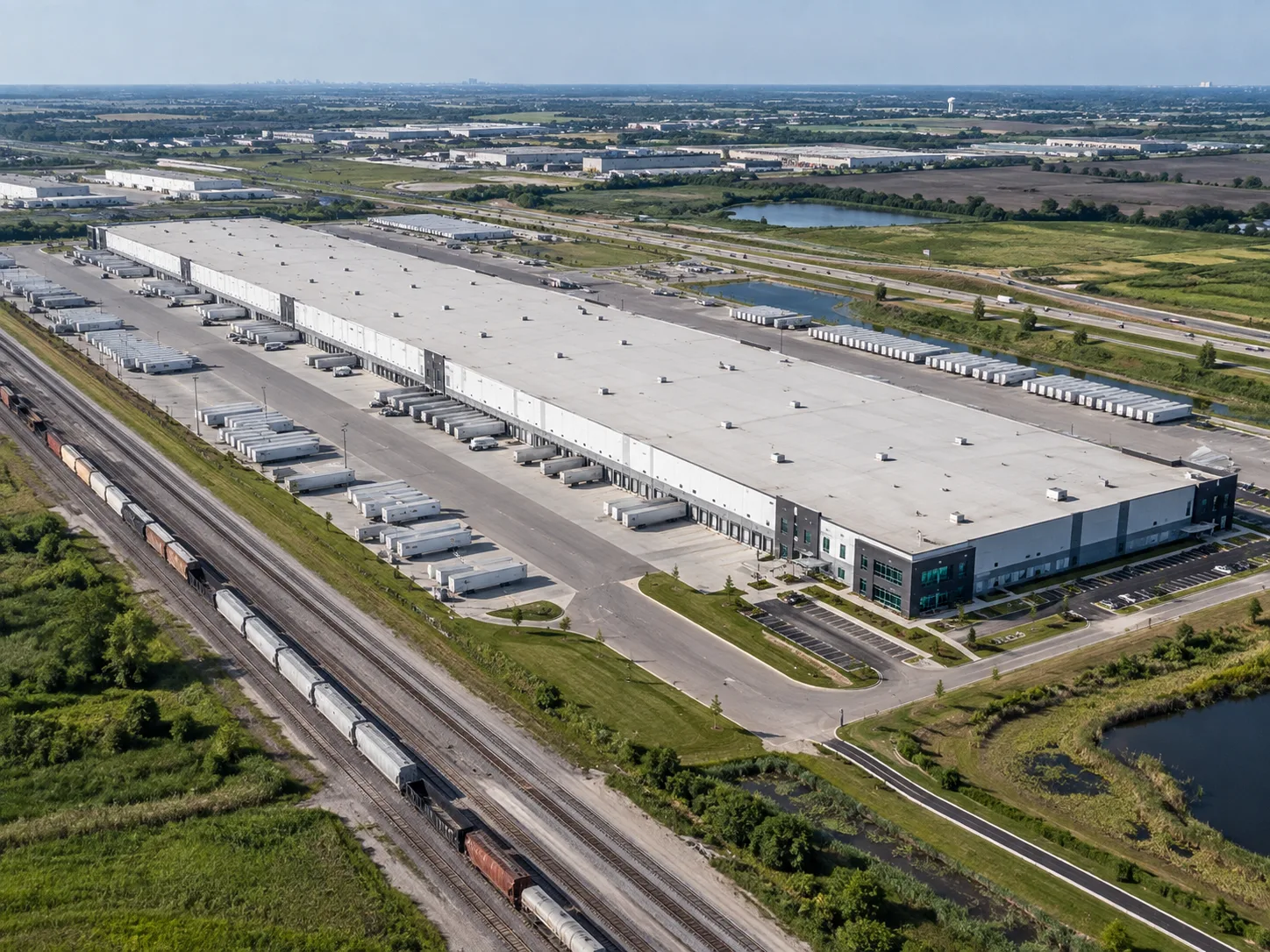






- Industrial real estate shortages are delaying US reindustrialization efforts despite available funding and policy support.
- Lack of power-ready sites and limited grid capacity are stalling advanced manufacturing projects across key regions.
- Workforce readiness is critical—regions with strong technical training and vocational programs are attracting more investment.
- A coordinated national strategy is needed to streamline permitting, prepare sites, and align infrastructure with industrial goals.
The Hidden Bottleneck
Despite political differences across the aisle, there’s broad consensus on one priority: the need to rebuild America’s industrial base. The National Security Strategy urges reshoring advanced manufacturing in semiconductors, batteries, shipbuilding, aerospace, and related sectors, reports Commercial Observer. Despite federal support, many projects stall—not from funding gaps, but from a more basic issue: lack of real estate readiness.
Across the country, companies are struggling to find industrial sites that are properly zoned, permitted, and equipped with essential infrastructure. Transportation access, broadband, power capacity, and water systems are often missing or outdated—making even well-funded projects unviable.
A Power Problem
Adding to the complexity: the US electric grid is maxing out. Data centers—driven by AI’s explosive growth—are consuming megawatts of power and locking in the best power-ready sites. While these tech facilities often have trillion-dollar backing, many advanced manufacturers are startups reliant on early-stage funding or federal grants.
In some areas, manufacturers face years-long grid delays, falling into the “Valley of Death” between early funding and revenue. Without prioritized power access, many of the nation’s most strategic industrial projects may never get off the ground.
Get Smarter about what matters in CRE
Stay ahead of trends in commercial real estate with CRE Daily – the free newsletter delivering everything you need to start your day in just 5-minutes
Talent As A Site-Selection Filter
Land and power alone aren’t enough. Advanced manufacturing today requires highly specialized workers—from robotics technicians to chemical process operators. Communities with modern training programs, technical colleges, and strong apprenticeship pipelines are gaining a competitive edge.
The most attractive regions are investing in state-of-the-art equipment, working directly with employers to shape curriculum, and treating vocational education as equal to traditional college paths.
From Patchwork To Strategy
America’s global competitors—especially China—pursue industrial development with coordinated national strategies. In contrast, US efforts are often piecemeal, handled one project at a time.
To catch up, industry experts say the US needs a multi-level approach, including:
- Pre-permitting and zoning large industrial corridors.
- Aligning energy infrastructure investments with industrial growth areas.
- Creating talent pipelines that are ready before employers arrive.
- Streamlining permitting for nationally strategic sectors.
This doesn’t mean relaxing environmental oversight—it means speeding up decision-making to match the urgency of national security goals.
The Window Is Now
Mid-sized cities like Huntsville and Wichita are showing strong interest in industrial growth and attracting advanced manufacturing projects. The political noise fades, replaced by pragmatic questions: Will students stay? Can families afford to build a life here? Will good jobs follow?
With global supply chains shifting, capital flowing in, and federal priorities aligned, the US has a rare chance to act. But reindustrialization requires more than policy—it requires land, power, people, and long-term planning.