



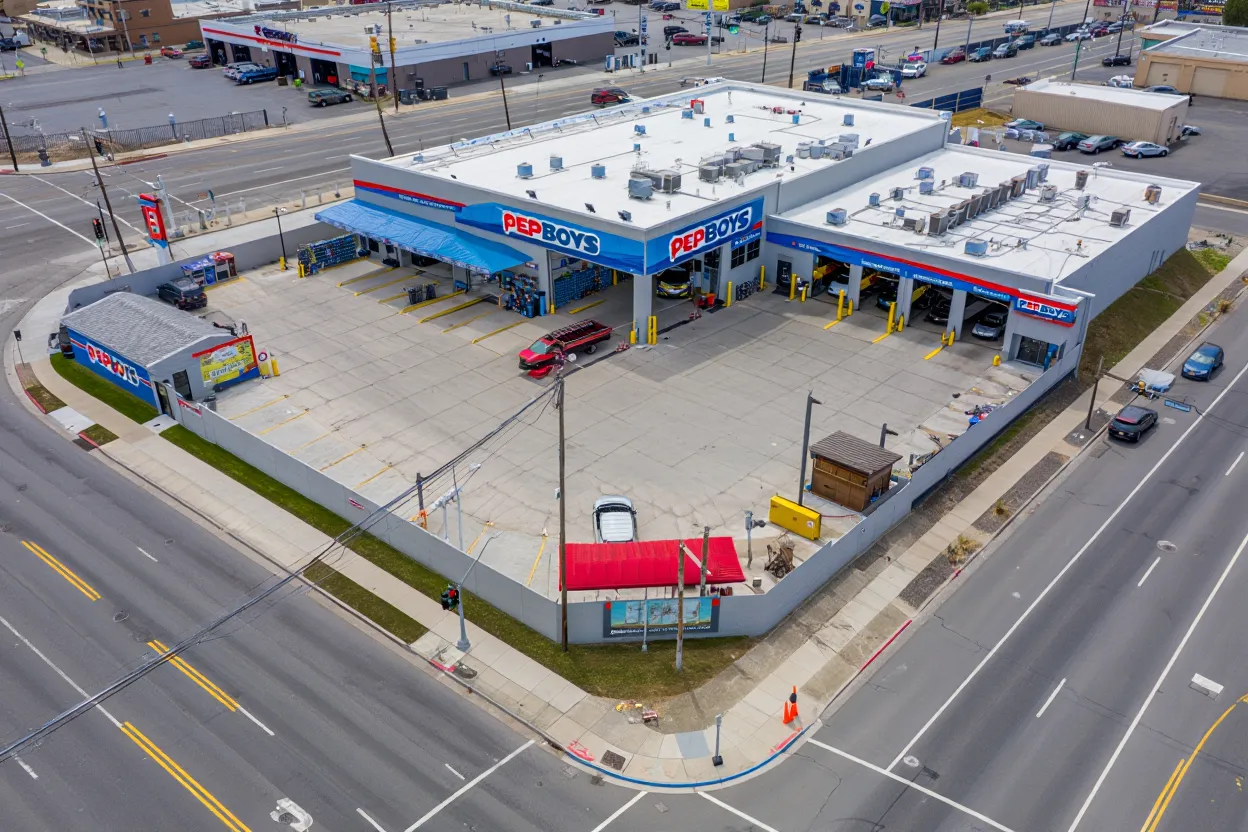



- Carl Icahn is selling the Pep Boys auto-service business to Mavis Tire Express Services for $700M, but will retain all underlying real estate.
- The transaction brings Mavis’ network to 4,400 locations and leverages Pep Boys’ national presence, especially in the Western US.
- Icahn’s move underscores the long-term value in auto-service real estate, a category seen as resilient and hard to replicate in the net lease sector.
Real Estate at the Center of the Deal
Carl Icahn’s latest move highlights the divide between operational and real estate value in the automotive sector. According to CoStar News, Icahn Enterprises agreed to sell Pep Boys to Mavis Tire Express Services for $700M in cash. However, Icahn will retain more than 700 owned and leased properties across the US. By selling only the operations, Icahn keeps control of the valuable real estate supporting Pep Boys locations.
Most properties are freestanding sites in highly trafficked areas. This approach signals where Icahn sees lasting value as the retail landscape continues shifting. Icahn Enterprises separately transferred Pep Boys’ real estate before the sale. Northmarq’s BJ Feller said that move highlights the focus on long-term property value and stronger tenant credit.
Get Smarter about what matters in CRE
Stay ahead of trends in commercial real estate with CRE Daily – the free newsletter delivering everything you need to start your day in just 5-minutes
The Details
The transaction gives Mavis control of nearly 800 Pep Boys locations nationwide. However, Mavis will not acquire the underlying land or buildings. After closing, Mavis will expand from 3,600 locations to roughly 4,400 owned and franchised sites across the US and Canada. The acquisition also strengthens its presence in Western states, where Pep Boys maintains a significant footprint.
Meanwhile, Icahn Enterprises will retain the real estate and related brands, including AAMCO Transmissions and Precision Tune Auto Care. Covington & Burling and Bullard Law Group advised Mavis, while Jefferies served as its exclusive financial adviser. Brown Rudnick advised Icahn Enterprises. The companies expect to close the transaction within several months, subject to regulatory approvals.
Creating Credit Strength With a Reverse Sale-Leaseback
Feller described the structure as “the art of the reverse sale-leaseback.” Icahn keeps the properties while leasing them to the combined Mavis and Pep Boys operation. That arrangement could strengthen the tenant credit profile for landlords and investors. Pep Boys alone would likely provide a weaker credit profile.
The structure follows a classic net lease strategy. Auto-service properties remain difficult to replicate because zoning and physical requirements create significant development barriers. Additionally, the category remains relatively recession-resistant because customers need these services in person. Demand for car ownership, maintenance, and repairs remains strong despite broader retail changes. Mavis also acquired Midas and roughly 1,300 franchised locations in 2025, creating greater scale and geographic diversity.
Why It Matters
Icahn’s decision reflects a broader CRE strategy focused on underlying property value rather than operating businesses alone. Auto-service properties have remained resilient despite mounting pressure from online retail. Feller described the category as largely “immune from anything online.” Demand has also remained durable as electric vehicles continue gaining market share.
Net lease investors favor these properties for their visibility, strong locations, and significant barriers to new competition. Investors are also pursuing property-backed strategies elsewhere, including LaSalle’s $700M financing for an expanded industrial investment strategy. This activity reflects continued demand for real estate offering durable fundamentals and long-term income potential.
Many auto-service properties occupy prominent corners or major commercial corridors. They also feature specialized zoning and fit-outs that competitors cannot easily replicate. According to CoStar data, automotive net lease cap rates have remained stable while other retail formats weakened.
What’s Next
The companies expect to close the transaction within several months, pending customary regulatory review. Mavis plans to quickly integrate Pep Boys locations into its national operations. The acquisition will particularly expand Mavis’ presence across West Coast markets. Meanwhile, Icahn will retain one of the country’s largest auto-service real estate portfolios.
Icahn can continue collecting rent from stronger tenants through long-term net leases. The structure provides exposure to durable income without operating the retail business directly. The deal could attract CRE owners seeking recession-resistant income during retail market volatility. Investors may also watch for similar specialty retail carve-outs in coming quarters.