








- Nob Hill Apartments, a 761-unit Syracuse complex bought by Windsor Capital Group in 2018, has deteriorated into disrepair, a fatal fire, and lawsuits from state and city officials.
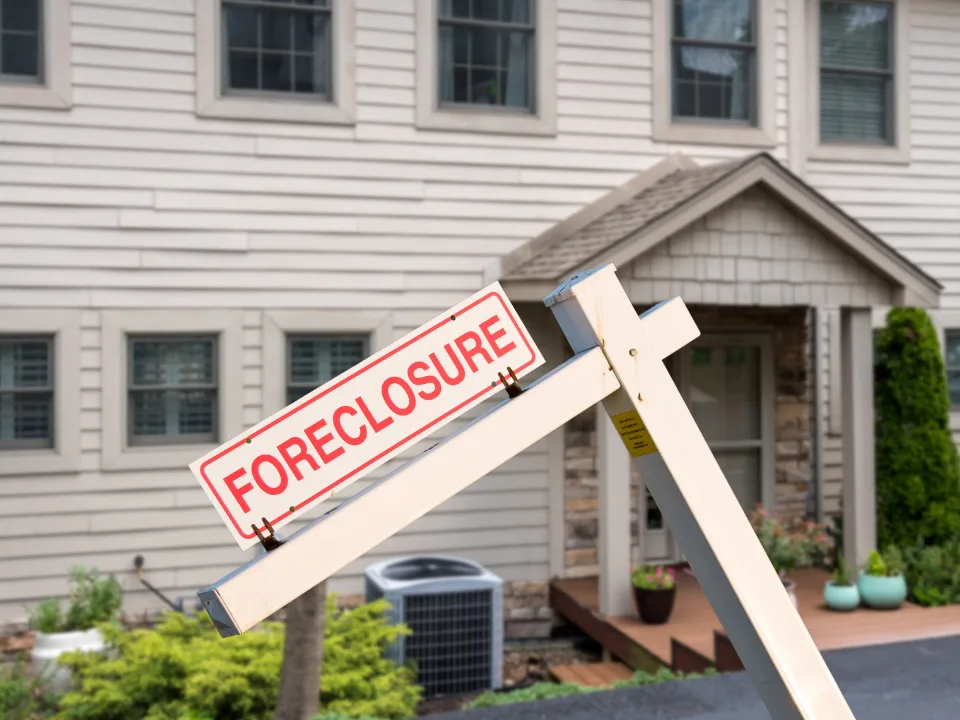
- Windsor financed 90% of its $58.5 million purchase through Fannie Mae, cycled through multiple property managers after 2022, and now faces foreclosure on the loan.
- The case has renewed debate over whether private equity ownership structures drive multifamily disinvestment, or whether mismanagement and macro headwinds are the true culprits.
A 761-unit Syracuse apartment complex has fallen into such disrepair that Nob Hill Apartments is now the subject of lawsuits from New York’s attorney general and Syracuse’s mayor, according to The Real Deal, which examined a New York Times investigation into the property’s decline. Once the city’s premier rental complex after opening in the early 1970s, the 28-acre property is now scarred by unresolved code violations and a fatal February 2026 fire that killed a senior citizen tenant.
Get Smarter About What Matters in New York
Subscribe to our free newsletter covering the biggest commercial real estate stories across the five boroughs — delivered in just 5 minutes.
How It Started
Patrick Nesbitt’s California-based Windsor Capital Group bought Nob Hill from its longtime owner for $58.5 million in 2018, financing 90% of the purchase through Fannie Mae. Buffalo developer Nicholas Sinatra, who brought Nesbitt the deal and took a minority stake alongside investors Teodoro Calle and Fred Fellows, managed the property himself until 2022. The plan, minority owner Calle told the Times, was “to invest a substantial amount to make it better, and try to improve the occupancy and the tenants,” but the promised renovations never fully materialized.
Inside the Syracuse Apartment Complex’s Decline
Tenants said the property held up reasonably well through Sinatra’s tenure, with only minor issues like uncut grass and closed pools. After Windsor replaced Sinatra as manager in 2022 and cycled through several subsequent property managers, conditions deteriorated sharply: overflowing dumpsters, failed elevators, broken locks that let squatters occupy vacant units, and inconsistent heat. New York Attorney General Letitia James and Syracuse’s mayor sued the owners in July 2026, and the February 2026 fire that killed a tenant began inside his own apartment. Fannie Mae, which financed 90% of the original purchase, filed to foreclose on the loan last year. Windsor said its current property manager has hired three local staff members and cleared all but a handful of the outstanding violations, and blamed the city for routing violation notices to its Texas-based lender instead of its Santa Monica headquarters.
Windsor also pointed to its Dallas-based property manager for keeping ownership in the dark about the mounting violations. City inspectors reportedly gave verbal assurances on multiple occasions that specific violations had been cleared, only for those same violations to remain open in municipal records, according to the company’s account to the Times.
Zooming Out
Nob Hill’s collapse lands amid a broader reckoning over aging multifamily stock nationwide, as CRE distress continues to spread across property types coming out of the high-rate era. One critic told the Times that Windsor’s high loan-to-value ratio left the ownership group with little to lose, but the investors’ stated goal was to raise rents and improve occupancy, not extract value and walk away, undercutting the simplest version of the “private equity villain” narrative. More likely explanations include a complex already past the roughly 40-year mark when systems typically start failing, an out-of-town ownership group unfamiliar with Syracuse that deferred renovations, and pandemic-era rent losses compounding just as interest rates began climbing in 2022.
Why It Matters
The Nob Hill case matters because it complicates the popular narrative that private equity ownership structures inherently cause multifamily disinvestment. Windsor’s near-total reliance on Fannie Mae financing also lands as agency loan performance faces renewed scrutiny amid rising multifamily distress nationally, and a high-profile foreclosure paired with a state and municipal lawsuit could make agency lenders more cautious about high-leverage acquisitions of aging properties in secondary markets like Syracuse.
What’s Next
Windsor, now rebranded Windsor Hospitality under Patrick Nesbitt Jr., says it is addressing the remaining violations, but the Fannie Mae foreclosure and the state and city lawsuits remain unresolved. One group of tenants reportedly owes more than $700,000 in back rent, a dispute that will likely factor into how the case, and the broader debate over who is responsible for Nob Hill’s decline, plays out in court. A minority-owner falling-out that put an unfamiliar management team in charge, and the elder Nesbitt’s shift toward retirement and hospitality as his son took over, will likely feature prominently as the litigation proceeds.