






- DFW multifamily occupancy rose to 93.2% in Q1 2026 as construction activity declined for the 11th straight quarter, according to Colliers.
- Developers are still working through a large supply pipeline, with concessions remaining widespread across suburban Class-A properties.
- Industry leaders expect market fundamentals to improve by 2027 as deliveries decline, lenders return, and absorption gradually catches up.
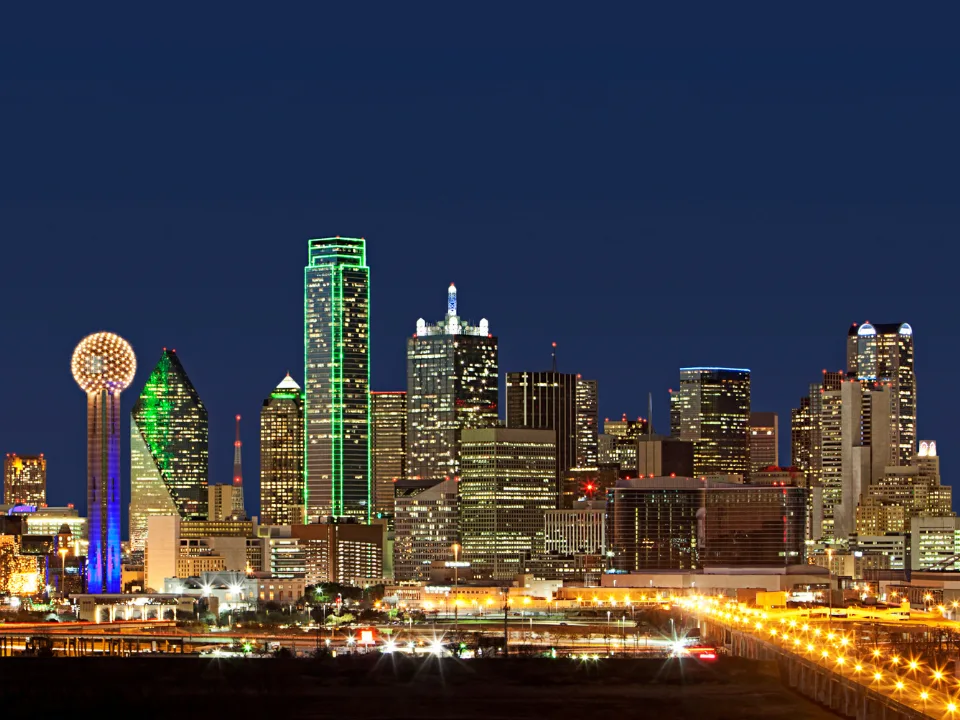
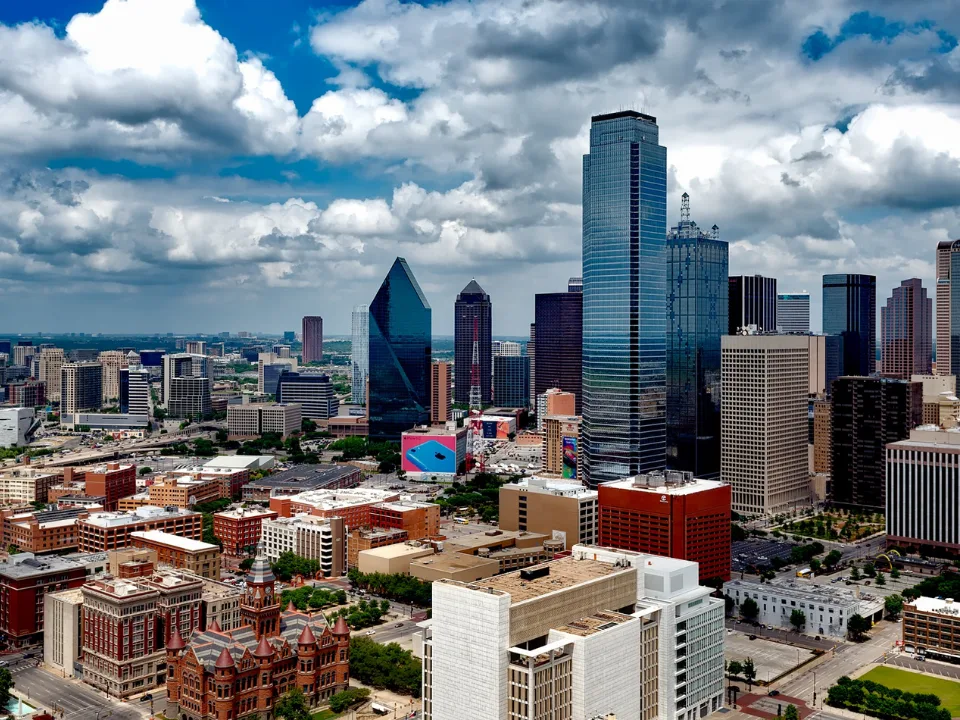
According to Bisnow, Dallas-Fort Worth’s multifamily market is beginning to stabilize after several years of record apartment deliveries flooded the metro with new supply. Occupancy and rents both improved during the first quarter of 2026, giving developers and investors confidence that the market correction is finally gaining traction.
Still, the recovery remains uneven. Developers continue to battle sluggish absorption, persistent concessions, and cautious equity capital even as lenders reenter the market and construction activity cools.
Get Smarter about what matters in CRE
Stay ahead of trends in commercial real estate with CRE Daily – the free newsletter delivering everything you need to start your day in just 5-minutes
A Market Working Through Excess Supply
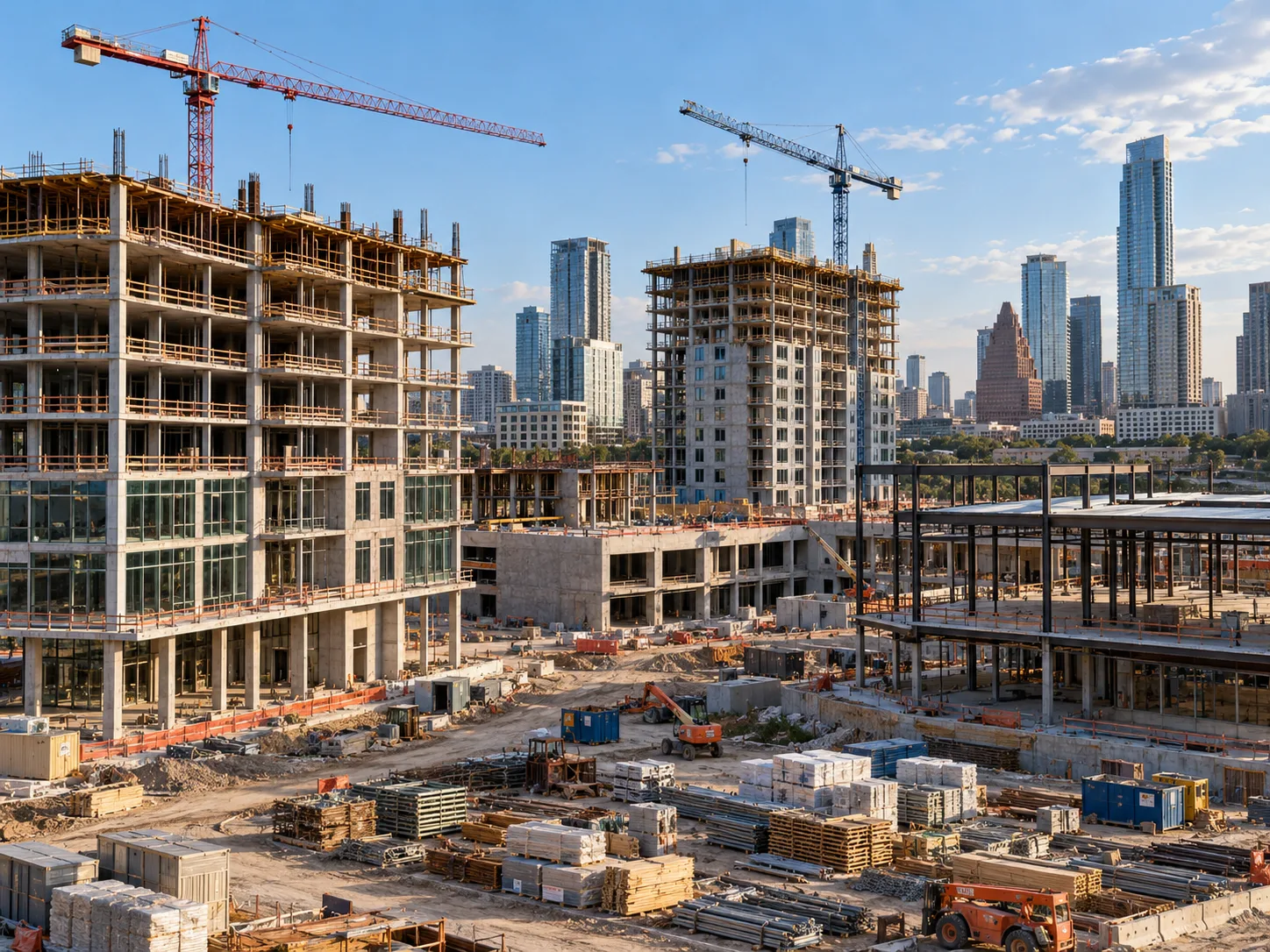
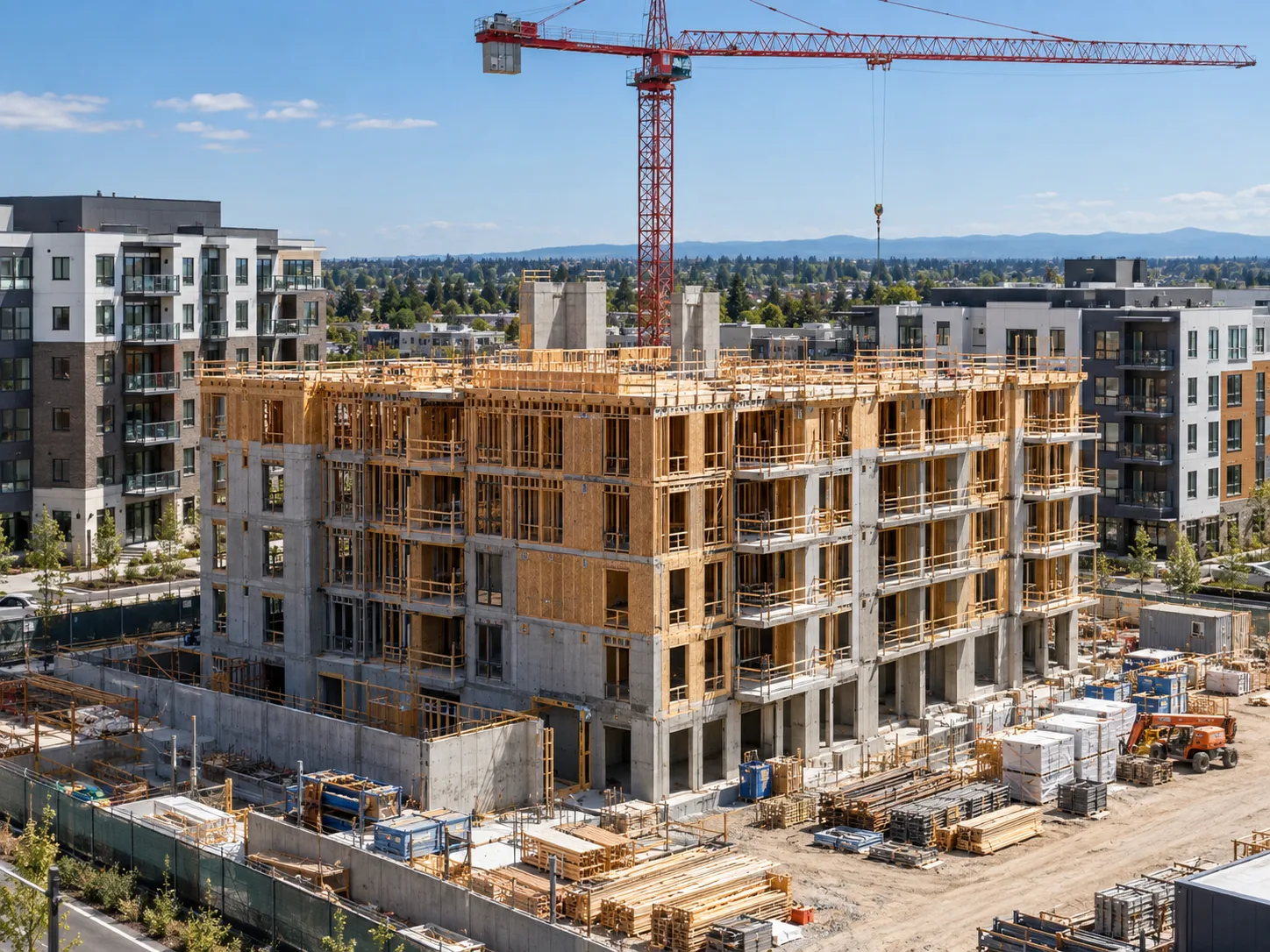
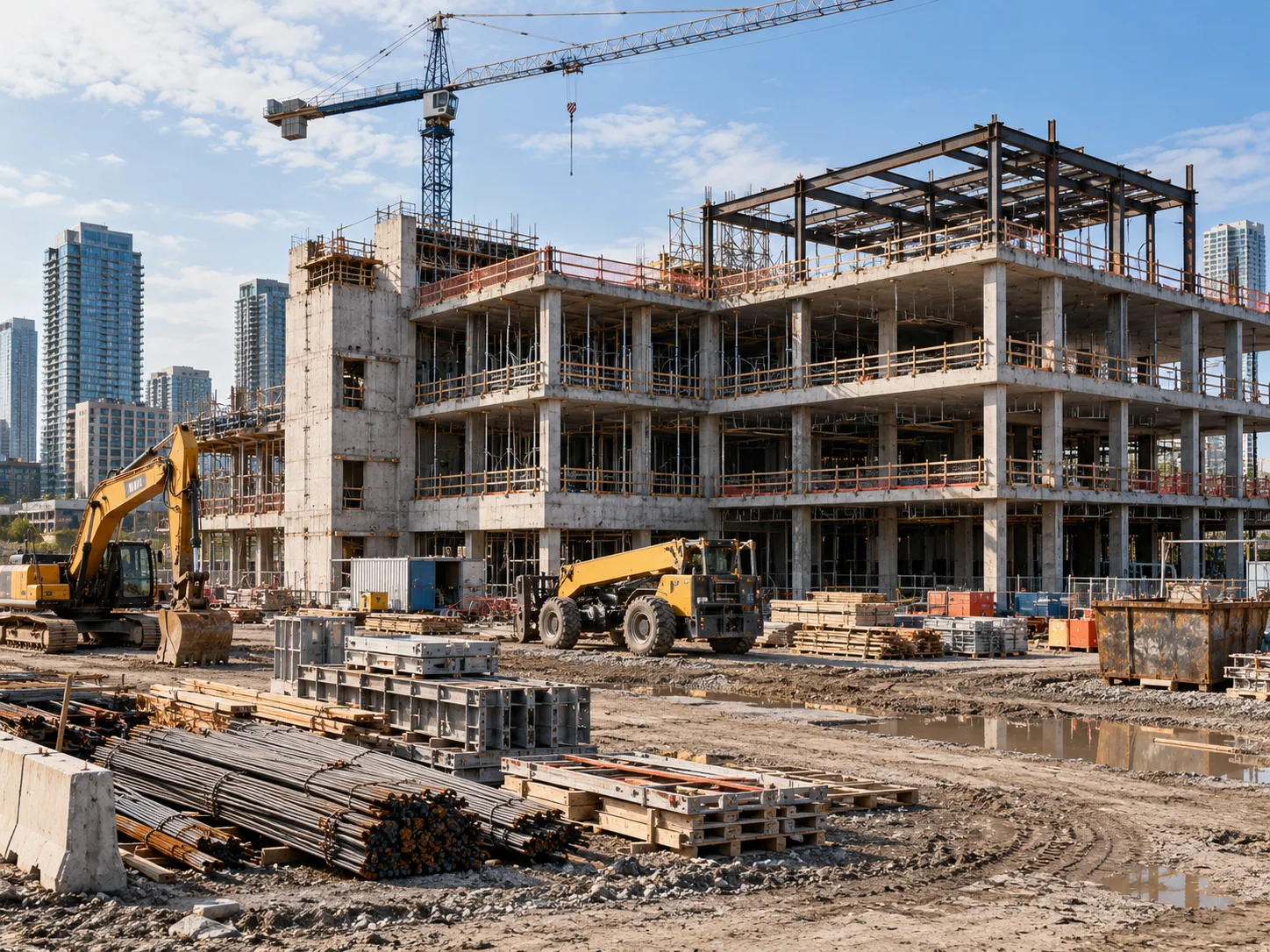
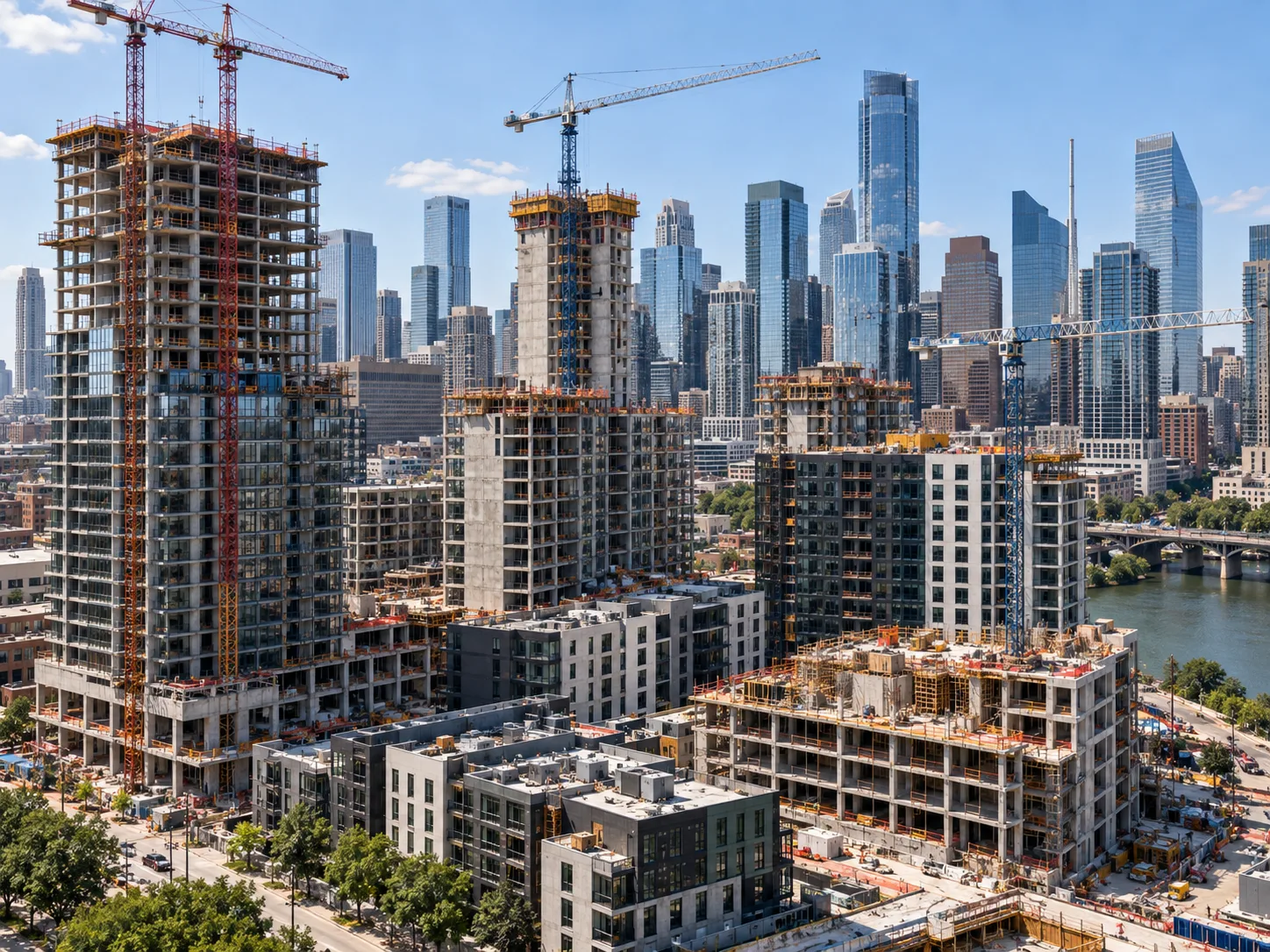
Multifamily construction activity in DFW has now declined for 11 consecutive quarters, according to Colliers’ Q1 2026 multifamily report. The region still had roughly 43,000 units under construction during the quarter, but only about 22,000 are expected to deliver before year-end.
Colliers forecasts the development pipeline will shrink significantly over the next year, falling below 26,000 units under construction by Q1 2027. That slowdown is a key reason many operators believe the market is nearing equilibrium after years of aggressive building across North Texas.
Speaking at Bisnow’s Dallas-Fort Worth Multifamily Annual Conference on May 12, Billingsley Co. President of Multifamily Sumner Billingsley said improving debt conditions are reinforcing optimism across the sector.
“Leverage is back to where it was a few years ago … and spreads are tightening,” Billingsley said during the event. “All of that is a really good indicator that things are moving in the right direction.”
The Details Behind DFW Multifamily Recovery
DFW occupancy climbed to 93.2% during the first quarter, while average monthly rents increased to $1,483, per Colliers. Those gains signal that demand is steadily catching up to the wave of deliveries that hit the market over the last several years.
Operators say lease renewals have remained resilient despite the pressure on asking rents. Billingsley noted that negative lease trade-outs at her firm have improved substantially as the market slowly corrects itself.
At the same time, concessions remain widespread, particularly in suburban Class-A communities still trying to stabilize occupancy. ZOM Living Senior Vice President Jason Haun said some outer-ring submarkets are still offering incentives as steep as 12 weeks of free rent plus $1,000 gift cards to attract tenants.
Those incentives continue to suppress effective rents even in submarkets that have technically stabilized. Haun noted that neighboring areas still in active lease-up mode are prolonging the pricing pressure across the metro.
SB 840 Could Reshape North Texas Development
Another major variable shaping DFW’s multifamily outlook is Texas Senate Bill 840, which took effect in September 2025. The law allows multifamily housing to be built by right on commercially zoned land in large Texas cities without requiring zoning hearings.
The legislation was designed to address Texas’ housing shortage, but many North Texas municipalities have responded by layering on additional regulations to slow implementation. The law applies to cities with populations above 150,000 located in counties exceeding 300,000 residents, meaning most affected municipalities are concentrated in North Texas.
Billingsley described the legislation as a “double-edged sword” for the region’s apartment market. While it could accelerate housing production, it may also trigger another wave of supply before the current inventory is fully absorbed.
Realty Capital Residential President Alex Brown added that capital constraints may naturally limit how much new development actually moves forward. While lenders have become more active, equity investors remain highly selective, primarily backing experienced sponsors and projects with clear competitive advantages.
Urban Core Resilience Versus Suburban Pressure
Market conditions also vary sharply between DFW’s urban core and its suburban fringe. Haun said urban neighborhoods have generally avoided the same level of oversupply seen in suburban submarkets, where most recent apartment deliveries have concentrated.
That divergence has created healthier fundamentals in select urban pockets, even if developers are still hesitant to launch new high-rise projects. The trend aligns with broader CRE momentum across North Texas, where sustained population and corporate growth continue attracting national real estate investment and development activity. Meanwhile, suburban operators continue competing aggressively on concessions to fill newly delivered units.
Construction costs, however, have become somewhat more manageable. Developers at the conference said tariffs and geopolitical tensions, including conflict involving Iran, have not materially impacted pricing in North Texas. Instead, the slower pipeline has intensified competition among contractors and trade groups hungry for work.
Why It Matters
DFW remains one of the nation’s largest apartment development markets, so the region’s recovery trajectory carries broader implications for Sun Belt multifamily performance. The metro became a symbol of post-pandemic overbuilding as developers raced to meet rapid population and job growth.
Now, investors are watching closely to see whether demand can absorb the excess inventory without triggering deeper rent declines or distressed asset sales. The return of debt capital and declining construction starts suggest market fundamentals may be stabilizing sooner than many expected in 2025.
What’s Next
Industry leaders expect 2026 to remain a transitional year as concessions slowly burn off and deliveries moderate. If absorption continues improving and the development pipeline contracts as projected, many operators believe DFW multifamily could return to healthier supply-demand balance by early 2027.
The biggest question is whether new projects enabled by SB 840 will reignite another construction cycle before the current correction fully plays out. For now, developers appear focused less on rapid expansion and more on building differentiated projects that can outperform in a competitive leasing environment.